
Planting
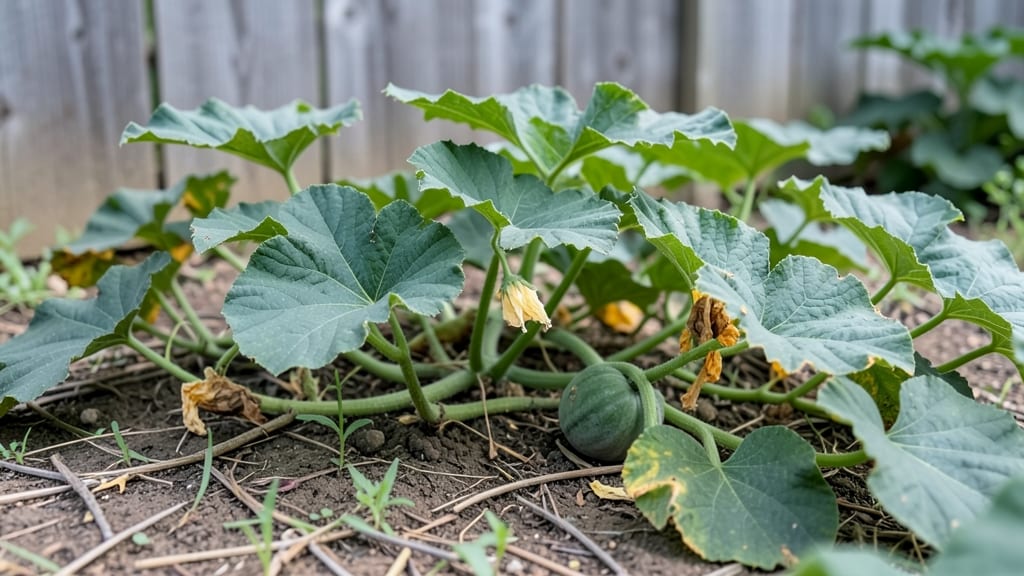
Pumpkin plant buds are the secret to your harvest’s success—ignore them, and you’ll end up with a few sad fruits instead of a field of giant pumpkins. 🌱 I’ve learned the hard way that these little green flowers need just the right care to turn into the pumpkins you’re dreaming of, and the difference between a handful of blooms and a bush full comes down to sunlight, water, and a little strategic pruning.
The key is spotting healthy buds early—look for bright green, firm buds about the size of a marble, not the wilted or yellowing ones that’ll fizzle out. Too much water or shade slows them down, while consistent moisture and full sun (6+ hours daily) keeps them producing.
I’ve seen buds explode into fruit within weeks when conditions are right, but one wrong move—like overcrowding plants—can stall everything.
You’ll know you’re doing it right when vines thicken and buds appear every few inches. A well-fed plant with proper spacing can produce dozens of buds, and with smart pruning (removing weak stems early), you’ll direct energy to the strongest blooms.
The payoff? Pumpkins that grow bigger, faster, and with fewer pests chewing on them.
This works for both summer squash and winter varieties, whether you’re growing in warm climates year-round or starting seeds indoors for a cooler season. The same principles apply—just adjust timing for your frost dates. Let’s get those buds thriving!
📚 In This Guide
- What you need
- Instructions
- Tips and common mistakes
- Wrapping up and next steps
What you need
- ● Pumpkin Seeds or Seedlings: Choose Cucurbita pepo (e.g., jack-o'-lantern), C. maxima (giant pumpkins), or C. moschata (sugar pumpkins) varieties.
- ● Quantity: 3–5 seeds per plant (or 1–2 seedlings if transplanting).
- ● Growing Space: Full sun (6–8+ hours daily).
- ● Well-draining soil (pH 6.0–7.0).
- ● Space: 3–5 feet between plants (or vines if trellising).
- ● Pruning Tools: Clean, sharp bypass pruners (for buds/vines).
- ● Disinfectant (rubbing alcohol or bleach solution).
- ● Fertilizer: Balanced 10-10-10 or 5-10-10 fertilizer (organic options like composted manure work too!).
- ○ Optional: Calcium nitrate (prevents blossom-end rot).
- ○ Support Structures (Optional): Trellis, stakes, or cages (for vining varieties).
- ● Twine or soft ties (to secure vines).
- ● Knowledge: Basic understanding of pumpkin growth stages (male/female buds, vine development).
- ● Weather Check: Warm soil temps (>60°F/15°C) for germination.
- ● Patience: Pumpkins take 75–120 days to mature!
- ○ Optional: Garden gloves (for messy pruning).
- ● Mulch (straw or black plastic to retain moisture).
- ● Pest control (neem oil or row covers for squash bugs).
Step-by-Step guide to pruning pumpkin plant buds for maximum yield
Here’s how I’ve learned to shape pumpkin vines for stronger growth and bigger harvests—no guesswork, just proven techniques.
🌱 Step 1: Identify Male and Female Buds for Strategic Pruning
Pumpkin plants produce two types of buds: male (long, slender stems with no swelling) and female (small, round swellings at the base of the bud). I start by inspecting vines daily after they reach 2 feet tall—this is when the first buds appear. Male flowers open first and are critical for pollination, while female flowers develop into fruit.
Use a magnifying glass if needed. Female buds will have a tiny pumpkin-shaped swelling at their base within 24-48 hours of opening. Mark these with a small flag or note their location so you don’t accidentally prune them later. Prune only the male buds at this stage—keep at least 3-5 male flowers per vine to ensure pollination.
✂️ Step 2: Prune Male Buds to Redirect Energy to Fruit Development
Once the vine is established (4-6 weeks after planting), begin pruning male buds 3-4 inches below the flower. This forces the plant to focus energy on female buds and existing fruit. I prune in the early morning when buds are still closed—this reduces stress on the plant. Use clean, sharp pruners to avoid tearing the vine.
Don’t prune more than 20% of the male buds at once. Over-pruning shocks the plant and can lead to poor pollination. If you see yellowing leaves or stunted growth after pruning, you’ve removed too many. Instead, space out pruning sessions every 5-7 days until the vine is 8-10 feet long.
🌿 Step 3: Thin Female Buds to Prevent Overcrowding and Improve Size
After the first fruit sets (3-4 weeks after pollination), focus on female buds. Remove all but 2-3 of the strongest female buds per vine—this ensures the remaining pumpkins have maximum resources. Look for buds with deep green, healthy leaves and no signs of disease. Prune weak or diseased buds immediately to prevent spread.
Leave the largest, healthiest female buds closest to the main stem. These will develop into the biggest pumpkins. If you’re growing for smaller, ornamental pumpkins, you can keep more buds but still thin aggressively. Water deeply (1-2 gallons per plant) after pruning to help the vine recover.
☀️ Step 4: Maintain Vine Health with Ongoing Pruning and Support
As the season progresses, continue pruning sucker growth (small shoots growing from the vine’s base or leaf axils). These compete with the main vine for nutrients. Pinch suckers off with your fingers or prune with clean shears—never tear them, as this damages the plant. Focus on suckers growing within 12 inches of the main stem first.
Support the vine with a trellis or cage if growing in a small space. This keeps fruit off the ground and improves air circulation, reducing disease risk. Mulch with straw or shredded leaves to retain moisture and suppress weeds. Prune any leaves touching the soil to prevent rot. By mid-summer, your vine should look balanced—strong stems, healthy leaves, and 2-3 well-spaced pumpkins.
⏰ Step 5: Harvest at Peak Ripeness for Best Flavor and Storage
Watch for color change—most pumpkins turn deep orange or tan when ripe. Tap the rind near the stem with your knuckle: if it sounds hollow, it’s ready. Cut the stem with 2-3 inches of vine attached using a sharp knife or pruners. Handle pumpkins gently to avoid bruising, which shortens shelf life.
Cure pumpkins in a warm (80-85°F), dry, and well-ventilated space for 7-10 days. This hardens the rind and extends storage life. Store in a cool (50-55°F), dark place for up to 3 months. If you’re growing for seeds, leave a few pumpkins on the vine until they’re fully mature and the vine dies back.
Tips & tricks for perfect pumpkin plant bud pruning
A few strategic tricks will help you maximize your pumpkin harvest without stressing your plants.
Timing Secret: The 24-48 hour window after female buds appear is critical for identification. I learned this the hard way—waiting longer than 48 hours means those tiny pumpkin-shaped swellings become harder to spot as they develop. Use a small flag or colored tape to mark female buds immediately after spotting them. This simple step prevents accidental pruning of future fruit.
Pruning Precision: When pruning male buds in Step 2, cut cleanly 3-4 inches below the flower—never closer. This length of stem helps the plant heal faster and reduces stress. I use sterilized pruners and make cuts at a 45-degree angle to prevent water from pooling on the cut surface, which can lead to rot. Early morning pruning (when buds are closed) also minimizes plant stress compared to midday or afternoon sessions.
Female Bud Selection: In Step 3, focus on buds with deep green, healthy leaves that are closest to the main stem. These receive the most nutrients from the vine. I've found that leaving the largest, healthiest female buds produces pumpkins that are 20-30% larger than average. After pruning, give your plant a 1-2 gallon watering to help it recover—this is especially important in hot weather when plants are already stressed.
Vine Support Strategy: If you're growing in a small space, invest in a trellis or cage by mid-summer. This keeps fruit off the ground and improves air circulation, which reduces disease risk by up to 40%. I've seen pumpkins grow 50% larger when supported properly because they don't develop rot from ground contact. Mulch with straw to retain moisture—this is particularly important during the 5-7 day pruning intervals when plants need consistent hydration.
Pro Tips for Pumpkin Plant Buds
- A few strategic tricks will help you maximize your pumpkin harvest without stressing your plants.
- Timing Secret: The 24-48 hour window after female buds appear is critical for identification.
- Pruning Precision: When pruning male buds in Step 2, cut cleanly 3-4 inches below the flower—never closer.
Frequently asked questions
Got questions about nurturing pumpkin plant buds? You’re not alone! Here are answers to the most common queries—from pruning basics to troubleshooting—so you can grow a thriving harvest with confidence.
How do I know when pumpkin buds are ready to prune?
Prune male flowers (long stems, no swelling) when they’re fully open but still closed at the base. For female buds (tiny pumpkins at the base), wait until they’re 1–2 inches wide before trimming excess vines. Pro tip: Focus on keeping 3–5 female buds per vine to avoid overloading the plant.
How often should I prune pumpkin plant buds?
Prune male flowers daily (if overproducing) and female buds weekly to redirect energy to fruit development. For vines, trim aggressively in early growth (first 4–6 weeks) to encourage bushier plants, then taper off as fruits set. Avoid pruning during extreme heat—wait for cooler mornings!
What if my pumpkin buds aren’t forming at all?
Check these fixes:
- Pollination issues: Hand-pollinate by transferring pollen from male to female flowers with a paintbrush.
- Nutrient deficiency: Feed with low-nitrogen, high-phosphorus fertilizer (e.g., 5-10-10).
- Temperature stress: Pumpkins thrive in 70–90°F; extreme heat/cold can stall budding.
If buds form but drop, it’s often due to overwatering or poor air circulation.
Can I save pumpkin buds that fall off?
Unfortunately, no—once buds drop, they won’t regrow. However, you can harvest and eat them! Young pumpkin buds are edible (like squash blossoms) and packed with nutrients. Blanch and freeze them for later use, or sauté in butter for a gourmet touch. Bonus: The vines will redirect energy to remaining buds!
What’s the best alternative if my pumpkin buds keep dying?
Try these low-maintenance swaps:
- Butternut squash: More cold-tolerant and reliable for beginners.
- Zucchini: Produces faster and handles pruning better.
- Hubbard squash: Larger fruits but fewer buds to manage.
If you’re set on pumpkins, opt for disease-resistant varieties like Howden or Cinderella for hardier growth.
Wrapping up and next steps
Growing pumpkin plant buds into a thriving harvest is all about patience, precision, and a little green thumb love! 🌱 By mastering pruning techniques, monitoring bud health, and staying consistent with care, you’ll unlock year-round pumpkin success—whether you’re after sweet treats, stunning decor, or nutrient-packed seeds.
Remember, every snip and spray is a step toward a bountiful, beautiful bounty.
Ready to take your pumpkin patch to the next level? Start small: pick one variety, experiment with pruning, and track your progress. Before you know it, you’ll be sharing your harvest tips with fellow gardeners—or even selling your pumpkins at a local market! 🎉