
Landscaping
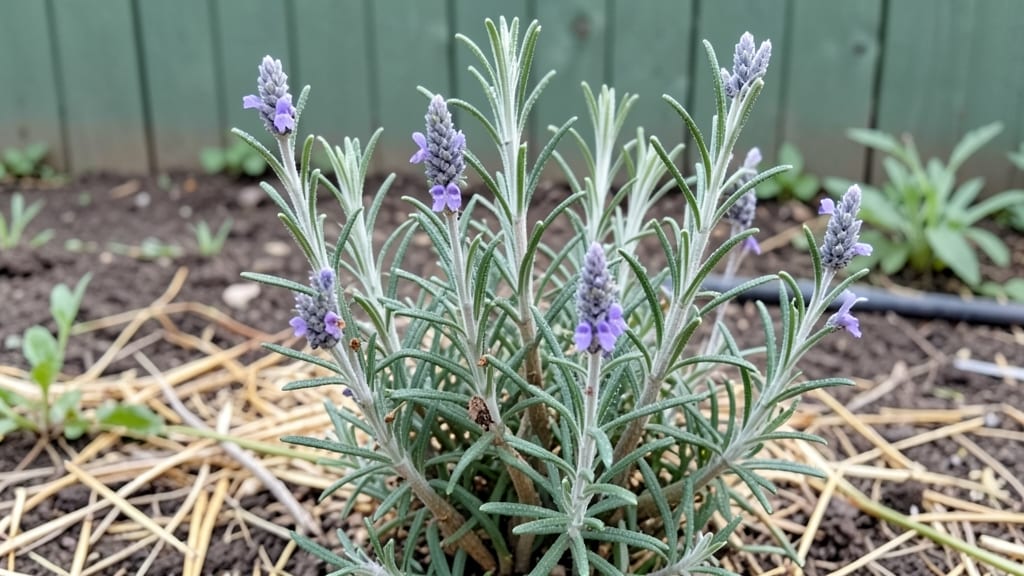
Using rosemary as a landscape plant transforms your garden into a fragrant, evergreen sanctuary that stays lush even when other plants fade. 🌿 I planted mine along a shady border last spring, and now it’s the most visited part of my yard—not just for its piney scent, but for how effortlessly it thrives where other herbs would give up.
The key is treating it like a shrub, not just an herb. Rosemary loves well-draining soil and full sun, but it tolerates partial shade better than most Mediterranean plants. Pair it with lavender, thyme, or ornamental grasses for a low-maintenance border that smells amazing when brushed against.
Prune lightly in early spring to keep it compact, and watch it fill in gaps faster than annuals.
By summer, your border will be a textured, fragrant wall that hummingbirds and bees adore. The needle-like leaves add vertical interest, while the occasional blue flowers bring unexpected pops of color. Plus, you’ll always have fresh rosemary for cooking—though honestly, the landscape value alone makes it worth growing.
Works in containers too, or as a dramatic focal point near pathways. Just avoid heavy clay soil, and you’ll have a garden feature that’s as practical as it is beautiful. Let’s make your yard smell like a Tuscan hillside all year.
📚 In This Guide
- What you need
- Instructions
- Tips and common mistakes
- Wrapping up and next steps
What you need
- ● Rosemary plants – Choose Upright (e.g., 'Arp') or Prostrate (e.g., 'Prostratus') varieties. Buy 3–5 plants per 5 ft of border for full coverage.
- ● Well-draining soil mix – 50 lbs of cactus/succulent blend or amend garden soil with 20% perlite/sand (rosemary hates soggy roots!).
- ● Organic mulch – 2–3 bags (1.5 cu. ft each) of pine bark fines or gravel to retain moisture and deter weeds.
- ○ Slow-release fertilizer – 1 lb of 10-10-10 or rose/flower-specific granules (optional but helpful for first-year growth).
- ● Drip irrigation kit – 20–50 ft of tubing with 1–2 emitters per plant (rosemary prefers deep but infrequent watering).
- ● Garden trowel or spade – For digging holes 1.5x wider and as deep as the root ball.
- ● Pruning shears – Bypass-style (sharp and clean cuts only!) to shape plants and remove dead growth.
- ● Wheelbarrow or bucket – For mixing soil amendments (5-gallon capacity recommended).
- ● Garden hose with adjustable nozzle – For watering (avoid overhead sprinklers to prevent fungal issues).
- ● Measuring tape – To space plants 2–3 ft apart (upright) or 1–2 ft apart (prostrate).
- ● Epsom salt – 1 lb for magnesium boost (sprinkle around base annually).
- ● Landscape fabric – 4x8 ft sheet to suppress weeds under mulch (skip if using gravel).
- ● Stakes or trellis – For upright varieties to support growth if needed.
- ● Compost tea – 1 gallon to enrich soil naturally (great for established plants).
- ● Garden gloves – Heavy-duty to protect hands from prickly stems.
Step-by-Step guide for planting rosemary as a fragrant evergreen border
Here's how to create a fragrant, low-maintenance border that stays lush all year.
🌱 Step 1: Choose the Perfect Planting Location
Rosemary thrives in full sun—at least 6-8 hours daily. I always pick the south or west side of the house or garden where it gets the most light. The soil should be well-draining; rosemary hates soggy roots. If your soil is heavy clay, amend it with 2-3 inches of coarse sand or gravel mixed into the top 12 inches.
Test your spot by observing how dry the soil stays after a rain. If it stays wet for more than a day, rosemary won't survive there. A slight slope helps water drain away naturally, which is ideal. Mark the area with stakes to visualize the 3-4 foot wide border you'll plant.
🪴 Step 2: Prepare the Soil and Plant at the Right Depth
Loosen the soil in your marked area to a depth of 12 inches using a garden fork. This breaks up compacted layers so roots can spread easily. Rosemary prefers slightly acidic to neutral soil, so if your soil is alkaline, mix in a handful of peat moss per square foot to lower the pH slightly.
Dig holes twice as wide as the root ball and 1 inch deeper than the container. Space plants 3-4 feet apart for a full, fragrant border. Gently remove each rosemary from its container, tease the roots if they're circling, and place it in the hole so the top of the root ball sits just below soil level. Fill around the roots with soil and press lightly to remove air pockets.
☀️ Step 3: Water Deeply and Mulch for Retention
Water each newly planted rosemary with 1 gallon of water to settle the soil and encourage root contact. Let the water soak in completely before adding 2-3 inches of mulch around the base, keeping it 3 inches away from the stem. Use pine straw, wood chips, or gravel—just avoid organic mulches that stay wet, like fresh bark.
Mulch helps retain moisture while preventing soil splatter on the foliage, which can cause fungal issues. Water again after mulching to help it settle. In the first 2-3 weeks, check soil moisture daily—rosemary is drought-tolerant once established, but young plants need consistent moisture to root.
✂️ Step 4: Prune for Shape and Encourage Bushiness
After 6-8 weeks, when your rosemary has settled in, give it a light pruning to shape it. Use clean, sharp pruners to trim back any leggy growth by one-third. Cut just above a leaf node (the bump where leaves grow) to encourage new branches. Avoid cutting into old wood—the woody stems in the center won't regrow.
This is also the time to harvest your first sprigs. Snip stems just above a leaf node to promote bushier growth. Use about one-third of the plant's foliage for harvesting—never take more than that in one session. Pruning and harvesting regularly keeps rosemary compact and fragrant.
💧 Step 5: Maintain Through Seasons for Year-Round Beauty
Once established, rosemary needs very little water—once every 2-3 weeks in dry spells is plenty. In winter, reduce watering to once a month unless you're in a frost-free climate. The plant's evergreen foliage stays vibrant, adding color and scent to your landscape all year.
Fertilize lightly in early spring with a balanced, slow-release fertilizer (like 10-10-10) applied at half strength. Too much nitrogen makes rosemary grow soft and floppy instead of woody and aromatic. Watch for pests like spider mites—spray off with water if you see webbing, and rosemary rarely gets serious diseases.
Tips & tricks for perfect rosemary landscape planting
Here's what I've learned from years of growing fragrant rosemary borders that stay lush all season long.
Sunlight Strategy: In Step 1, when choosing your location, remember that rosemary needs that full sun—6-8 hours daily. I've seen people plant it in partial shade and end up with leggy, sparse plants. If your garden only gets 5 hours of sun, consider using a dwarf variety like 'Blue Spires' that tolerates slightly less light better. The south or west side of your house is ideal because it gets the most intense afternoon sun.
Soil Prep Secret: The 12-inch deep soil preparation in Step 2 is worth the effort. I always add a handful of peat moss per square foot if my soil tests alkaline—this small adjustment prevents that "limp" rosemary look. For heavy clay soil, mix in 2-3 inches of coarse sand throughout that 12-inch depth. This creates perfect drainage that rosemary absolutely craves.
Planting Depth Tip: When placing your rosemary in Step 2, that 1-inch deeper planting is crucial. The top of the root ball should sit just below soil level—this prevents the plant from drying out too quickly. I've seen people plant too shallow, and their rosemary struggles to establish. Also, make those holes twice as wide as the root ball to encourage strong root spread.
Watering Wisdom: The 1 gallon of water you give each plant in Step 3 should soak in completely—you'll know it's enough when water appears at the bottom of the hole. After mulching, check soil moisture daily for those first 2-3 weeks. I use a simple finger test: stick your finger 1-2 inches down—if it feels dry, water again. Overwatering is the #1 killer of young rosemary plants.
Pro Tips for Rosemary Landscape Plant
- Here's what I've learned from years of growing fragrant rosemary borders that stay lush all season long.
- Sunlight Strategy: In Step 1, when choosing your location, remember that rosemary needs that full sun—6-8 hours daily.
- Soil Prep Secret: The 12-inch deep soil preparation in Step 2 is worth the effort.
Frequently asked questions
Got questions about using rosemary as a landscape plant? You’re not alone—this fragrant evergreen is a favorite, but it does have some quirks! Here are the most common queries to help you grow it with confidence.
Can rosemary survive winter in cold climates?
Rosemary is hardy in USDA zones 7-10, but in colder areas (zones 6 or below), it’s best grown as an annual or potted plant that you can bring indoors before frost. For in-ground plants, mulch heavily and choose cold-hardy varieties like 'Arp' or 'Hill Hardy' for better resilience. If temperatures drop below 20°F (-7°C), expect browning or dieback—but the roots often bounce back in spring!
How often should I water rosemary in the landscape?
Rosemary hates soggy soil—water it deeply but infrequently, about once a week in summer (or when the top 1–2 inches of soil are dry). In winter or rainy seasons, reduce watering to every 2–3 weeks. Overwatering is the #1 killer of rosemary, so ensure your soil has excellent drainage (sandy or gravelly mixes work best). A drip irrigation system or soaker hose prevents root rot.
Is rosemary invasive, or will it spread uncontrollably?
Rosemary is not invasive like mint or bamboo, but it can spread via runners or self-seeding in ideal conditions (warm, dry climates). To control growth:
- Prune back one-third in early spring to encourage bushiness.
- Remove suckers or seedlings that pop up beyond your desired area.
- Plant in containers if you’re worried about spread.
Why is my rosemary turning yellow or brown?
Yellowing leaves usually signal overwatering or poor drainage, while brown, crispy edges often mean underwatering or sunburn. Check these fixes:
Issue
Solution
Yellow leaves
Let soil dry out between waterings; amend clay soil with perlite or sand.
Brown tips
Water deeply but less often; move to partial shade if in hot afternoon sun.
Leggy growth
Trim back one-third to encourage denser foliage; ensure it gets 6+ hours of sun.
Pests like aphids or spider mites can also stress rosemary—spray with neem oil if you spot them.
What are some low-maintenance alternatives to rosemary for borders?
If rosemary’s needs feel too high-maintenance, try these fragrant, drought-tolerant evergreens for borders:
- Lavender – Thrives in poor soil, attracts pollinators, and loves full sun.
- Santolina (Cotton Lavender) – Silvery foliage, drought-resistant, and great for hedges.
- Thyme (Creeping or Lemon Thyme) – Ground cover that tolerates foot traffic.
- Russian Sage – Tough, perennial, and blooms with purple spikes.
For a rosemary-like texture but with more cold hardiness, Dwarf Boxwood or Juniper 'Blue Rug' are excellent picks.
Wrapping up and next steps
Incorporating rosemary into your landscape isn’t just about beauty—it’s a fragrant, low-maintenance, and eco-friendly upgrade! 🌿 With its evergreen charm and resilience, this versatile plant adds texture, scent, and year-round interest to borders, pathways, or even containers.
Whether you’re a seasoned gardener or just starting, rosemary’s adaptability makes it the perfect choice for transforming your outdoor space.
Ready to elevate your garden? Start by selecting the right variety for your climate, then plant with confidence—your future self (and pollinators!) will thank you. Grab your gloves and get growing! 🌱