
Trees
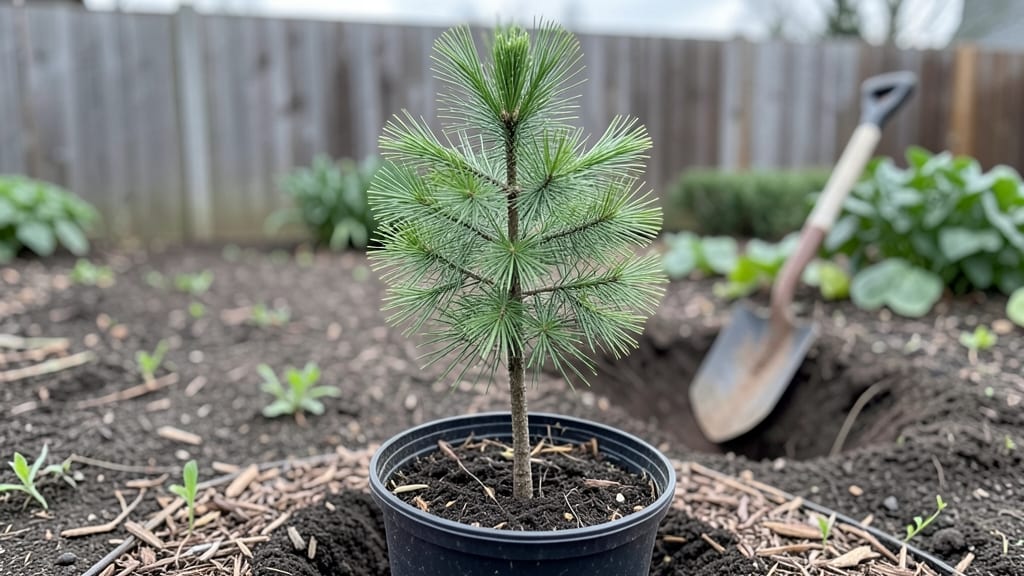
Planting giant sequoias means giving your yard a living monument—these trees grow over 300 feet tall in nature, and even young specimens make a dramatic statement. 🌟 I planted my first sequoia sapling three years ago, and while it’s still small, the sheer scale of its potential keeps me hooked.
These aren’t ordinary trees; they demand space, patience, and perfect conditions to thrive.
The biggest challenge isn’t the planting itself—it’s finding the right spot. Sequoias need full sun, well-draining soil, and protection from strong winds. They also love cool summers and mild winters, so if you’re in a hot, dry climate, extra care is key.
Start with a 10-foot diameter planting hole and mix in compost to give those deep roots a head start.
Once planted, water deeply once a week for the first year, letting the soil dry slightly between sessions. Mulch heavily to retain moisture and keep roots cool. In five years, your sequoia will still be small, but the foundation for a future giant will be set.
The real magic happens decades later—when it finally starts stretching toward the sky.
Fair warning: sequoias grow less than a foot per year when young, so this is a long-term commitment. But if you’re willing to wait, you’ll end up with a tree that outlives most of us—and becomes the centerpiece of your landscape. Here’s how to get started right.
📚 In This Guide
- What you need
- Instructions
- Tips and common mistakes
- Wrapping up and next steps
What you need
- ○ Giant sequoia seedling or sapling: 1–3 young trees (3–6 ft tall, 1–3 in diameter) from a nursery specializing in conifers (e.g., Conifer Specialty Trees). Optional: Bare-root seedlings (cheaper but require careful handling).
- ● Planting site: Full sun exposure (6+ hours daily). Well-draining, sandy-loam soil (pH 6.0–7.0). Space: At least 30–50 ft between trees (they grow 50–85 ft tall and 10–20 ft wide at maturity!).
- ● Soil amendments (if needed): Compost or aged manure (5–10 gallons per planting hole) to improve drainage. Sand or perlite (20–30% mix) for heavy clay soils.
- ○ Tools: Shovel (for digging 2–3 ft wide, 1.5–2 ft deep holes). Wheelbarrow (for mixing soil amendments). Garden hose or watering can (5+ gallons capacity). Mulch (3–4 inches of wood chips or pine straw). Optional: Root stimulator (e.g., Mycorrhizal fungi for better root growth).
- ○ Hardiness zone: USDA Zones 6–9 (cold-hardy to -15°F but prefers mild winters). Water access: Drip irrigation system or consistent watering (especially in first 2 years). Wind protection: Optional but helpful: Temporary windbreak (e.g., burlap screens) for young saplings in exposed areas. Legal check: Verify local regulations—some areas restrict planting large trees due to root/space laws.
Step-by-Step instructions for planting giant sequoia trees
Here's how to give these majestic giants the perfect start in your landscape.
🌱 Step 1: Choose the Right Location and Prepare the Soil
Giant sequoias need space—at least 30 feet apart—and thrive in full sun with 6+ hours of direct light daily. Test your site for well-draining soil; these trees despise soggy roots. If your soil is heavy clay, amend it with 2-3 inches of compost mixed into the top 12 inches of soil.
Dig a hole twice as wide as the root ball but no deeper. The top of the root ball should sit 1-2 inches above ground level—this prevents water pooling around the trunk. Sequoias have shallow but extensive roots, so avoid compacting the soil when backfilling.
🪴 Step 2: Handle the Seedling with Care and Plant Correctly
Giant sequoias are typically planted as 1-3 year-old container-grown seedlings. Remove the tree from its container and gently loosen the roots if they’re circling. Soak the root ball for 15-30 minutes before planting to reduce transplant shock. You’ll know it’s ready when water runs freely from the bottom.
Place the seedling in the hole, ensuring the root flare (where roots meet trunk) is visible above soil level. Fill the hole with native soil, tamping lightly every 2 inches to eliminate air pockets. Water deeply until the soil is evenly moist to a depth of 12 inches. Mulch with 3-4 inches of wood chips, keeping it 6 inches away from the trunk.
☀️ Step 3: Provide Consistent Water and Sunlight After Planting
For the first 2-3 weeks, water deeply every 2-3 days to encourage root establishment. Sequoias need 1-2 inches of water weekly during their first growing season, but avoid overhead watering—direct it at the base. You’ll see new growth within 4-6 weeks if conditions are right.
Monitor for signs of stress: yellowing needles or wilting indicate either overwatering or underwatering. Sequoias are drought-tolerant once established but need consistent moisture as young trees. Avoid pruning for the first 2-3 years—let the tree focus on root and canopy growth.
⏰ Step 4: Protect and Maintain for Long-Term Growth
Young sequoias are vulnerable to deer and rodents. Install a 6-foot tall tree guard or use deer-resistant plants nearby to deter browsing. Fertilize lightly in spring and fall with a balanced, slow-release fertilizer (10-10-10) to support steady growth. You’ll notice 1-2 feet of height gain annually under ideal conditions.
After 5 years, sequoias develop thicker bark and better drought resistance. Reduce watering to every 10-14 days unless experiencing extreme heat. Prune only to remove dead or crossing branches—never "top" the tree, as this stresses sequoias and invites disease.
Tips & tricks for planting giant sequoia trees
Between us, these towering giants need special care to thrive—here's how to give them the best possible start.
Root Ball Prep: In Step 2, that 15-30 minute soak is your secret weapon against transplant shock. I've seen seedlings recover faster when you soak them until water runs freely from the bottom—this ensures the roots are fully hydrated before they hit the ground. Pro tip: Use lukewarm water for even better absorption.
Soil Compaction Watch: When backfilling in Step 1, resist the urge to pack the soil tightly. Sequoias have extensive shallow roots that need room to breathe. Lightly tamp every 2 inches instead of compacting—this prevents root asphyxiation and gives your tree's roots the space they need to spread.
Watering Wisdom: The 2-3 week watering schedule in Step 3 is non-negotiable for root establishment. I've learned the hard way that skipping even one watering can set back growth by weeks. Use a moisture meter to check soil depth—aim for consistently moist but never soggy soil down to 12 inches. Overhead watering creates fungal risks, so always direct water at the base.
Mulching Matters: That 3-4 inch layer of wood chips in Step 2 does more than just look pretty. It regulates soil temperature, retains moisture, and prevents weed competition. Just remember to keep it 6 inches away from the trunk—piling mulch against the bark invites rot. Optional: add a layer of pine needles on top of the wood chips for extra moisture retention.
Pro Tips for Planting Giant Sequoia Trees
- Between us, these towering giants need special care to thrive—here's how to give them the best possible start.
- Root Ball Prep: In Step 2, that 15-30 minute soak is your secret weapon against transplant shock.
- Soil Compaction Watch: When backfilling in Step 1, resist the urge to pack the soil tightly.
Frequently asked questions
Got questions about planting these majestic giants? You’re not alone! Giant sequoias (Sequoiadendron giganteum) are stunning but demand special care. Here are answers to the most common queries to help you get started with confidence.
Can I grow a giant sequoia in my backyard?
Yes, but with big caveats! Giant sequoias thrive in USDA Hardiness Zones 6-9 and need plenty of space (at least 30+ feet tall and wide at maturity). They prefer well-draining, acidic soil and full sun (6+ hours daily). If you live in a small yard or urban area, consider a dwarf variety like Sequoiadendron giganteum 'Pendulum' or opt for a container-grown specimen.
How long does it take for a giant sequoia to grow?
Patience is key—these trees are slow growers! Under ideal conditions, they grow about 1-2 feet per year, reaching 60-85 feet tall in 50-100 years. For faster (but still modest) growth, ensure consistent watering, rich soil, and protection from wind. Dwarf varieties mature quicker but still take decades to reach their full potential.
Do giant sequoias need special watering?
Young sequoias (first 2-3 years) need regular watering (1-2 times per week) to establish deep roots. Once mature, they’re drought-tolerant but still prefer moist, well-draining soil. Avoid waterlogging—their roots hate soggy conditions. Mulch around the base (but keep it 3-4 inches away from the trunk) to retain moisture and regulate temperature.
What’s the best time to plant a giant sequoia?
Plant in early spring or fall when temperatures are mild (avoid extreme heat or frost). This gives roots time to establish before summer droughts or winter freezes. If planting in containers, do it in spring to minimize transplant shock. Always water thoroughly after planting and keep soil moist for the first month.
Why is my sequoia not growing? Troubleshooting tips
If your sequoia is struggling, check these common issues:
- Poor soil: Amend with peat moss or compost for better drainage.
- Too much shade: Move to a sunniest spot in your yard.
- Overwatering: Let soil dry slightly between waterings.
- Pests/disease: Watch for aphids, bark beetles, or root rot. Treat with neem oil or fungicide if needed.
- Container constraints: If potted, upgrade to a larger pot (minimum 24" diameter) every 2-3 years.
If problems persist, consult a local arborist—sequoias are finicky but worth the effort!
Wrapping up and next steps
Planting a giant sequoia tree isn’t just about adding a majestic centerpiece to your landscape—it’s a legacy for future generations. 🌳 These towering giants symbolize resilience, patience, and the beauty of nature’s grandeur.
Whether you’re a seasoned gardener or a curious beginner, taking this step means investing in a living monument that will thrive for centuries.
Ready to grow your own? Start by connecting with local nurseries or conservation groups—many offer seedlings and expert guidance. Then, roll up your sleeves and plant with pride! 🌱 Your backyard could soon be home to one of Earth’s most awe-inspiring trees.