
Diseases
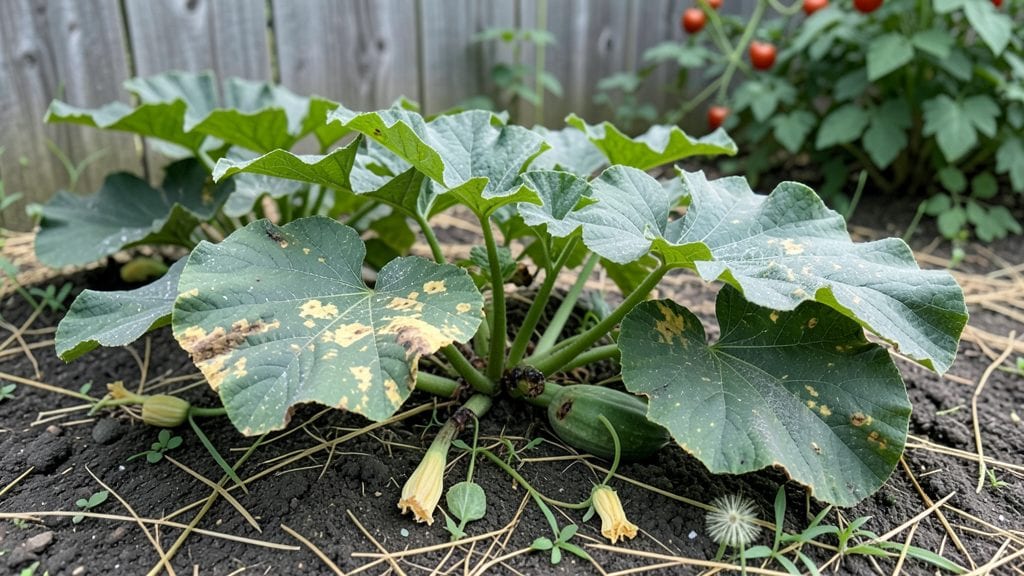
Butternut squash plant diseases can turn your harvest into a disappointment if you don’t catch them early. 🌱 I’ve lost entire vines to powdery mildew and bacterial wilt before learning the warning signs—white fuzz, yellowing leaves, and wilting vines that won’t recover.
The good news? Most issues respond well to organic fixes if you act fast.
These problems usually start with warm, humid conditions or poor airflow between plants. Powdery mildew thrives on crowded leaves, while bacterial wilt spreads through contaminated soil or infected seeds.
The key is prevention: spacing plants properly, rotating crops, and avoiding overhead watering. But even with precautions, early detection is your best defense.
You’ll spot powdery mildew as a chalky white coating on leaves, while downy mildew looks like fuzzy gray patches on the undersides. Bacterial wilt? Your plants will suddenly wilt in the middle of the day, even when the soil feels moist.
The sooner you identify these, the easier they are to treat with neem oil, copper sprays, or simple pruning to improve airflow.
Organic solutions like baking soda sprays or compost tea can stop mildew in its tracks, while copper-based fungicides tackle bacterial infections. With the right approach, you’ll save your plants—and your harvest—without harsh chemicals. Let’s get your squash back on track.
Why it happens
Butternut squash plants, like all cucurbits, are susceptible to a mix of fungal, bacterial, and environmental stressors that can derail their growth. Understanding why these issues arise is the first step to preventing them.
Below, we break down the key culprits behind butternut squash diseases—from microscopic invaders to overlooked gardening habits.
🌱 Fungal Pathogens Spread Through Moisture
Fungi thrive in damp conditions, and butternut squash is no exception. Diseases like powdery mildew (Podosphaera xanthii) and downy mildew (Pseudoperonospora cubensis) latch onto plants when humidity lingers above 70% for prolonged periods.
These pathogens spread via windborne spores or contaminated tools, water droplets, or even infected plant debris left in the soil.
- Why it happens: Overhead irrigation or poor airflow between plants creates a greenhouse effect, trapping moisture on leaves and stems—perfect breeding grounds for fungal spores.
- Actionable fix: Space plants 3–4 feet apart for airflow, water at soil level, and remove infected foliage immediately to starve the fungus.
🦠 Bacterial Infections From Contaminated Sources
Bacterial diseases like bacterial wilt (Erwinia tracheiphila) or cucumber bacterial blight (Xanthomonas campestris) enter plants through wounds (e.g., pruning cuts, insect bites) or contaminated seeds/tools. These bacteria multiply rapidly in warm, wet conditions, clogging vascular tissues and causing wilting or leaf spots.
- Why it happens: Reusing infected soil or tools, or introducing contaminated seedlings, introduces pathogens directly into the plant’s system. Squash vine borers (larvae) also create entry points for bacteria.
- Actionable fix: Disinfect pruners with 70% isopropyl alcohol, rotate crops annually, and avoid overhead watering to reduce bacterial spread.
🌡️ Environmental Stressors Weakening Plants
Butternut squash plants stressed by nutrient deficiencies, extreme temperatures, or poor drainage become prime targets for diseases. For example, phytophthora root rot (Phytophthora capsici) exploits waterlogged soil, while alternaria leaf spot thrives when plants are nitrogen-deficient.
| Stressor | Disease Risk | How to Prevent |
|---|---|---|
| Compacted/Waterlogged Soil | Root rot, powdery mildew | Amend soil with compost and ensure raised beds or slopes for drainage. |
| High Nitrogen, Low Potassium | Alternaria, bacterial blight | Use balanced fertilizer (e.g., 5-10-10) and mulch to retain potassium. |
| Sudden Temperature Drops | Powdery mildew, bacterial wilt | Use row covers for early planting and avoid late-season stress. |
🐛 Pests Creating Entry Points for Disease
Insects like squash bugs, aphids, and cucumber beetles don’t just damage leaves—they vector diseases. For instance, cucumber mosaic virus spreads when aphids feed on infected plants, while squash vine borers tunnel into stems, inviting secondary infections.
- Why it happens: Pests weaken plant defenses, making them vulnerable to opportunistic pathogens. Overcrowded gardens also attract insect populations.
- Actionable fix: Monitor plants weekly for pests, use row covers early in the season, and introduce beneficial insects like ladybugs or lacewings.
🌿 Human Errors in Garden Practices
Even the best-intentioned gardeners contribute to disease outbreaks through poor sanitation, overhead watering, or ignoring crop rotation. For example, reusing mulch from last year’s infected plants or storing tools in damp sheds can reintroduce pathogens.
- Why it happens: Skipping basic hygiene (e.g., not sterilizing pots, sharing tools between gardens) or planting squash in the same spot yearly exhausts soil defenses.
- Actionable fix: Sterilize tools with bleach (1 part bleach to 9 parts water), practice 3-year crop rotation, and avoid walking on beds to prevent soil compaction.
Quick Fixes for Squash Ailments
When your butternut squash plants show signs of distress, acting fast can mean the difference between a thriving harvest and a lost crop. Below, we’ve mapped out practical, organic solutions for the most common diseases, paired with prevention tips to keep your plants healthy long-term.
Think of this as your emergency first-aid kit for squash gardens!
Cause: White, powdery fungal growth on leaves (often from humidity + poor airflow). Fix It:
- 🧼 Prune & Clean: Snip off severely infected leaves (sterilize shears with rubbing alcohol). Remove debris from the garden bed to stop spores from spreading.
- 🌿 Spray Defense: Mix 1 tsp baking soda + 1 tbsp neem oil + 1 tsp dish soap + 1 gallon water. Spray leaves early morning or evening (avoid direct sun). Repeat every 5–7 days until mildew disappears.
- 🌡️ Boost Airflow: Space plants 3–4 feet apart and prune vines to improve circulation. Use a fan on low for 10 mins/day if growing in a greenhouse.
Prevention Tip: 💡 Plant resistant varieties like ‘Waltham Butternut’ and mulch with straw to reduce soil moisture.
Cause: Yellow spots on top leaves, fuzzy gray growth underneath (thrives in wet conditions). Fix It:
- 🚫 Isolate Plants: Move infected plants 10+ feet away from healthy ones to prevent spread.
- 🛡️ Copper Fungicide Spray: Use organic copper fungicide (like Bordeaux mixture) or a DIY mix (1 tbsp copper sulfate + 1 gallon water + 1 tsp soap). Spray weekly until symptoms fade.
- 💧 Adjust Watering: Water at the base only (avoid overhead sprinkling) and water early in the day so leaves dry quickly.
Prevention Tip: ✨ Crop rotation—don’t plant squash in the same spot for 3+ years.
Cause: Wilting, yellowing leaves (often from infected seeds or squash bugs). Fix It:
- 🔪 Remove Infected Plants: Dig up and destroy wilted plants immediately—do not compost them. Burn or trash them to prevent bacterial spread.
- 🌱 Soil Sterilization: Solarize the soil by covering it with clear plastic for 4–6 weeks in hot sun, or apply hydrogen peroxide (3%) to the soil surface.
- 🐞 Trap Squash Bugs: Place yellow sticky traps near plants to catch adult bugs before they lay eggs.
Prevention Tip: 🎯 Buy certified disease-free seeds and rotate crops with non-squash plants (like beans or corn).
Cause: Mottled leaves, stunted growth (spread by aphids or contaminated tools). Fix It:
- 🚫 Quarantine: Isolate infected plants at least 50 feet away from healthy crops.
- 🐜 Control Aphids: Spray with soapy water (1 tsp mild soap + 1 quart water) or introduce ladybugs (natural predators).
- 🧹 Sterilize Tools: Clean pruners and gloves with rubbing alcohol between uses.
Prevention Tip: 🔥 Use row covers to block aphids and remove weeds (they harbor viruses).
Cause: Soft, mushy stems (from overwatering or poor drainage). Fix It: 1. ⏰ Stop Watering: Let the soil dry out completely for 3–5 days, then resume watering only when the top 2 inches of soil are dry.
- 🏗️ Improve Drainage: Amend soil with compost or perlite and raise beds if drainage is chronically poor.
- 🌱 Repot (If Potted): Move the plant to a clean pot with fresh, well-draining soil.
Prevention Tip: 🌡️ Test soil moisture with a finger—if it’s damp 2+ inches down, wait to water.
- 🌿 Companion Planting: Grow marigolds or nasturtiums nearby—they repel pests and improve soil.
- 🌱 Healthy Starts: Hardening off seedlings (acclimating them to outdoor conditions) reduces stress.
- 🕰️ Monitor Daily: Check plants every 2–3 days for early signs of trouble.
Remember: The key to organic disease control is prevention + fast action. With these fixes, your butternut squash will bounce back—and you’ll be the hero of your harvest! 🌱💪
Frequently asked questions
What’s the first sign of powdery mildew on butternut squash?
Look for a chalky white coating on the upper leaf surfaces—like dust sprinkled on the foliage. This fungal disease thrives in humid conditions and spreads rapidly if left untreated. Check the undersides of leaves too, as mildew often starts there before becoming visible on top.
Can I save a butternut squash plant already infected with bacterial wilt?
Unfortunately, no. Once bacterial wilt sets in, the plant will continue to decline despite your efforts. Remove and destroy the infected plant immediately (don’t compost it) to prevent spreading bacteria to other squash plants. Focus on sterilizing your soil and tools for next season.
How often should I spray neem oil to prevent diseases?
Apply neem oil every 7–10 days during warm, humid weather or when you first notice signs of stress. Mix it with a bit of dish soap (1 tsp per gallon) to help it stick to leaves. Stop spraying 24 hours before harvesting to avoid any residue on your squash.
Will crop rotation really help with squash diseases?
Rotating your squash plants with non-squash crops (like beans, lettuce, or corn) every 3 years breaks the disease cycle. Many squash diseases thrive in the same soil year after year, so this simple practice dramatically reduces their impact. Keep records of where you plant squash each season.
Can I use vinegar as a natural fungicide for squash?
White vinegar can help in small doses, but it’s not a standalone solution. Mix 1 tablespoon vinegar + 1 gallon water + 1 teaspoon dish soap and spray on leaves. Test on a small area first—vinegar’s acidity can damage some plants. For serious infections, combine it with neem oil or copper fungicide for better results.