
Pruning
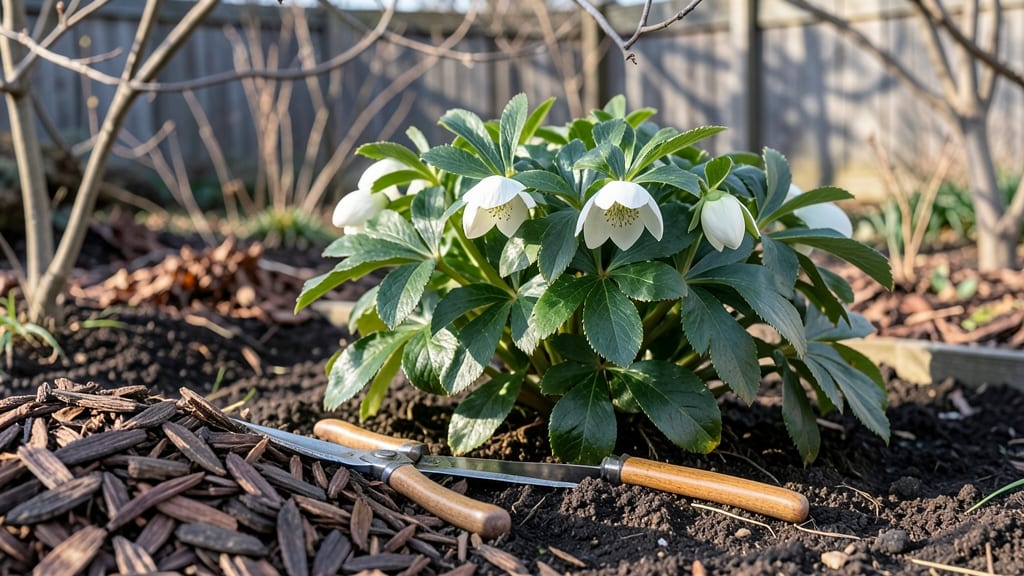
Pruning hellebore plants transforms your shady garden corner into a year-round blooming machine—just two strategic cuts keep them lush and productive. I’ve pruned hellebores for years, and the difference between a tidy clump and a wild, overgrown mess comes down to timing and technique.
Most gardeners wait until spring, but the real secret is working with the plant’s natural cycle.
The tools you need are simple: sharp pruners, gloves (hellebores can be prickly), and a clear morning to see what stays and what goes. Start by removing dead or damaged leaves after blooming, then make your second cut in late winter to shape the plant before new growth begins.
This two-step approach keeps hellebores compact, encourages more flowers, and prevents that leggy, sparse look.
After pruning, you’ll notice fresh, deep-green foliage within weeks, and those iconic nodding blooms return thicker the following season. The key is patience—hellebores reward gentle hands over aggressive trimming.
Over-pruning weakens the plant, while the right cuts make it stronger and more vibrant. Think of it as giving your hellebores a haircut they’ll actually love.
This method works for all hellebore varieties, from classic dark green types to the stunning chartreuse ‘Coral Reef.’ Whether you’re dealing with a single plant or a full woodland garden, the principles stay the same. Ready to turn those ragged clumps into showstoppers? Let’s get cutting.
📚 In This Guide
- What you need
- Instructions
- Tips and common mistakes
- Wrapping up and next steps
What you need
- ● Pruning shears – Bypass pruners (sharp, clean, and sterilized with rubbing alcohol or bleach) to avoid spreading disease. A 5- to 7-inch blade works best for precision.
- ● Gloves – Garden gloves (nitrile or leather) to protect your hands from thorns and dirt.
- ● Disinfectant – Rubbing alcohol (70%+ isopropyl) or bleach solution (1 part bleach to 9 parts water) to sterilize tools between cuts.
- ○ Garden twine or plant ties – For securing sprawling stems after pruning (optional but helpful for large or leggy plants).
- ● Garden waste bag – To collect pruned stems and debris for easy cleanup.
- ● Water spray bottle – To mist stems after cutting (helps reduce stress on the plant).
- ● Hand pruners – For smaller, more delicate cuts if your shears feel too bulky.
- ● Sharpie or permanent marker – To label pruned sections if you’re experimenting with staggered blooming.
- ● Compost bin – To recycle pruned stems into nutrient-rich compost.
- ● Plant food or fertilizer – A balanced, slow-release fertilizer (10-10-10 or similar) to give your hellebores a post-pruning boost.
Instructions for pruning hellebore plants
Transform your hellebores into a year-round blooming powerhouse with just two simple cuts.
Remove Spent Blooms After Spring Flowering
As soon as your hellebores finish blooming in late spring, grab your pruners and cut back the flower stems to their base. This is the first and most important cut of the year—it prevents seed formation and directs the plant's energy toward next year's blooms instead of producing seeds. I like to do this in early June when the flowers have faded completely but before the foliage starts to yellow.
Use clean, sharp pruners to make a precise cut right at the stem's base. Avoid cutting into the leaves or stems surrounding the flower—this keeps the plant healthy and prevents unnecessary stress. You'll notice the plant looks a bit bare after this cut, but trust me, it's setting up for a stronger next season.
Trim Dead or Damaged Foliage in Late Summer
In late summer, typically around August, inspect your hellebores for any yellowed, brown, or otherwise damaged leaves. These leaves won't recover and can become a breeding ground for pests or diseases. Simply snip them off with your pruners, cutting just above the point where the leaf meets the stem. This second cut keeps your plants looking tidy and ensures they enter dormancy in good shape.
Don't worry if you miss this step—helleborus are forgiving plants. However, removing the damaged foliage helps the plant focus its energy on root development and storing nutrients for next year's blooms. You'll see healthier, more vibrant growth in the following spring if you keep this up.
Lightly Prune for Shape in Early Spring
Just before new growth begins in early spring, take a moment to assess your hellebores' shape. If any stems are crossing or rubbing against each other, trim them back to avoid potential damage. This is a light, optional step—think of it as a quick tidying up rather than a major pruning session. I usually do this in late February or early March, just as the plant starts to wake up from dormancy.
Use your pruners to make clean cuts at a 45-degree angle just above a leaf node or bud. This encourages new growth in the right direction and keeps your plants looking neat. Avoid cutting back more than one-third of the plant at this stage—helleborus are tough, but they don't need heavy pruning to thrive.
Monitor and Adjust Throughout the Year
Hellebores are low-maintenance plants, but keeping an eye on them throughout the year ensures they stay healthy and continue to bloom beautifully. After each pruning session, water the plant deeply to help it recover. In the summer months, make sure the soil stays consistently moist but not soggy—helleborus prefer well-draining soil with plenty of organic matter.
If you notice any signs of pests or diseases, such as holes in the leaves or black spots, address them promptly. A light application of neem oil or insecticidal soap can often resolve minor issues. With just these two main cuts and a bit of ongoing care, your hellebores will reward you with stunning blooms year after year.
Tips & tricks for perfect hellebore pruning
These simple yet powerful tips will help you transform your hellebores into flourishing plants that bloom beautifully year after year.
Timing is Everything: The early June timing for removing spent blooms is critical—wait too long and the plant will start producing seeds, which drains energy from next year's flowers. I've seen hellebores that missed this step produce fewer blooms the following spring. Look for completely faded flowers with no green left in the petals, but don't wait until leaves start yellowing.
Tool Preparation: Always clean and sharpen your pruners before each use. A dull blade can crush stems instead of making clean cuts, which stresses the plant. I like to wipe mine with rubbing alcohol between plants to prevent spreading any potential diseases. You don't need expensive pruners—just make sure they're sharp enough to cut cleanly through stems without tearing.
Visual Cues for Pruning: When making your cuts in Step 2, look for the small bump where the leaf meets the stem—that's where you want to cut just above. This encourages new growth from that node. For Step 3's shaping cuts, imagine you're making a clean slice at a 45-degree angle—this creates a larger surface for water to be absorbed, helping the plant recover faster.
Seasonal Care Reminder: After each pruning session, give your hellebores a good drink of water. These plants have deep roots that need consistent moisture, especially during their active growing seasons in spring and fall. I've found that mulching around the base with 2-3 inches of organic matter helps retain moisture and keeps roots cool during hot summer months.
Pro Tips for Pruning Hellebore Plants
- These simple yet powerful tips will help you transform your hellebores into flourishing plants that bloom beautifully year after year.
- Timing is Everything: The early June timing for removing spent blooms is critical—wait too long and the plant will start producing seeds, which drains energy from next year's flowers.
- Tool Preparation: Always clean and sharpen your pruners before each use.
Frequently asked questions
Got questions about pruning your hellebore plants? You’re not alone! Here are some of the most common concerns—and straightforward answers—to keep your hellebores thriving year-round.
When is the best time to prune hellebores?
Prune hellebores after they finish blooming in late spring or early summer. This gives them time to store energy for next year’s flowers. Avoid pruning in fall or winter, as cold stress can harm the plant. For seasonal bloomers, a light trim in fall (after leaves die back) can also encourage tidiness.
How much should I cut back hellebore foliage?
For most hellebores, trim only the spent flowers and about 1/3 of the oldest, yellowed leaves. Avoid heavy pruning—these plants store nutrients in their foliage. Over-trimming can weaken the plant and reduce next year’s blooms. Think of it as a light haircut, not a buzz cut!
What if my hellebore leaves turn brown or crispy after pruning?
Brown or crispy leaves usually mean over-pruning or stress from cutting too late in the season. If this happens, stop pruning and focus on watering deeply (1–2 inches per week) and mulching to protect roots. With proper care, new growth should emerge in spring. Pro tip: Always use clean, sharp tools to prevent disease.
Can I prune hellebores in winter?
Winter pruning is a no-go for hellebores—they’re dormant and vulnerable to frost damage. If you must tidy up, wait until late winter (just before new growth appears). Otherwise, leave the old foliage as insulation until spring. Think of it like tucking your plant in for a cozy nap!
Do I need to prune hellebores that bloom in winter?
Winter-blooming hellebores (like Helleborus niger) should only be pruned after their flowers fade in early spring. Their foliage acts as a food source, so avoid cutting back until you’re sure the blooming cycle is complete. A gentle trim to remove dead flowers (deadheading) is enough to keep them looking neat.
What’s the alternative if I hate pruning?
No pruning? No problem! Hellebores are low-maintenance and can thrive with zero trimming if you leave the old leaves intact. Just remove only the dead flowers (deadheading) to encourage new blooms. The foliage will naturally yellow and die back in late summer—simply pull or cut it away in fall for a clean look.
Wrapping up and next steps
Pruning your hellebore plants is a simple yet rewarding way to keep them thriving and blooming beautifully year after year! 🌸 With just two strategic cuts—one in early spring and another after flowering—you’ll encourage stronger growth, prevent overcrowding, and enjoy stunning flowers for seasons to come.
Remember, patience and gentle care are key, so don’t rush the process.
Now that you’re armed with the know-how, roll up your sleeves and give your hellebores the TLC they deserve. Grab your pruners, step outside, and watch your garden flourish! 🌿 For even more gardening tips, explore our pruning guides or share your progress with fellow plant lovers—happy gardening!