
Planting
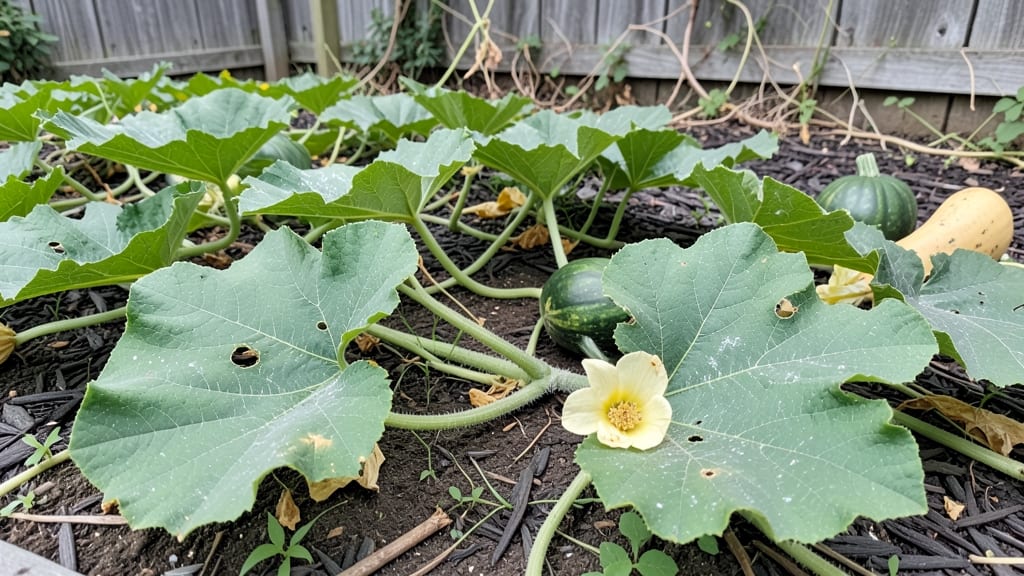
Squash plant problems like wilted leaves and blossom end rot can turn your garden dreams into a frustrating mess—unless you know the quick fixes. 🌱 I’ve lost entire squash plants to these issues, but now I spot the warning signs early and stop them before they spiral.
The key is acting fast, whether it’s adjusting water habits or giving plants a nutrient boost.
Most squash struggles start with too much water, poor soil, or pests hiding in the vines. Yellowing leaves often mean overwatering or nutrient deficiencies, while blossom end rot is a classic calcium shortage.
The good news? These fixes take minutes—not hours—and prevent future disasters. You’ll save your plants without losing your sanity (or your harvest).
By the end, you’ll have squash plants that stay strong, produce fruit, and resist common pitfalls. No more guessing games—just healthy vines and plump, edible squash. Let’s get those plants back on track before the bugs or weather do more damage.
Works for all squash varieties—zucchini, butternut, pumpkins, you name it. The same fixes apply whether you’re growing in the ground or containers. Here’s how to turn things around before it’s too late.
Root Causes Behind Squash Struggles
Understanding why your squash plants act up starts with peeling back the layers of their environment and biology. Squash, like all plants, thrives under specific conditions—but when those conditions shift, problems like wilting, rot, or stunted growth emerge.
Below, we break down the key triggers behind common squash plant woes, explained in plain science.
Squash plants hate soggy feet. While they need consistent moisture, excess water—especially in poorly draining soil—can drown roots by cutting off oxygen.
This leads to: - Wilting leaves (even when soil is wet) - Blossom end rot (calcium leaches away in waterlogged soil) - Fungal diseases (like powdery mildew or root rot)
Why it happens:
- Compacted or clay-heavy soil holds water like a sponge, suffocating roots.
- Overhead watering (especially at night) keeps foliage damp, inviting fungal spores.
- Lack of organic matter prevents soil from absorbing and releasing water efficiently.
Actionable clue: If your soil stays muddy for hours after watering, drainage is the issue.
Squash are heavy feeders, and soil lacking key nutrients sends distress signals through stunted growth, yellowing leaves, or weak stems. The most critical deficiencies are:
| Symptom | Likely Culprit | Why It Happens |
|---|---|---|
| Yellow lower leaves | Nitrogen (N) deficiency | Soil is depleted or lacks organic matter (e.g., compost or aged manure). |
| Purple stems/leaves | Phosphorus (P) shortage | Poor soil structure or over-fertilizing with nitrogen-heavy feeds. |
| Weak, brittle stems | Potassium (K) deficiency | Stress from drought, disease, or excessive salt buildup in soil. |
| Brown leaf edges | Calcium (Ca) deficiency | Waterlogged soil or uneven moisture (common in blossom end rot). |
Why it happens:
- New garden beds often lack nutrients after initial planting.
- Over-fertilizing with synthetic N can lock out other minerals (e.g., phosphorus).
- Acidic soil (pH < 6.0) makes calcium and iron unavailable, even if present.
Actionable clue: Test your soil’s pH—squash prefer 6.0–7.0. Amend with lime (for acidity) or sulfur (for alkalinity).
Squash are a buffet for pests and pathogens. Insects and microbes exploit weak plants, but even healthy squash can fall victim if conditions are right:
- Cucumber beetles (striped or spotted) chew leaves and spread bacterial wilt.
- Squash vine borers lay eggs on stems, and larvae burrow inside, killing vines.
- Powdery mildew thrives in humid, shaded conditions, coating leaves in white fungus.
- Downy mildew causes yellow spots on top leaves and fuzzy growth underneath.
Why it happens:
- Crowded plants reduce airflow, trapping humidity and inviting fungal spores.
- Weeds or debris harbor pests and diseases over winter.
- Stressed plants (from drought or poor soil) are easier targets for invaders.
Actionable clue: Check the undersides of leaves for eggs or webbing—early signs of infestation.
Squash are sensitive to extremes. Too much sun, heat, or cold can trigger problems like:
- Sunburnt leaves (white/yellow patches) from intense afternoon sun without acclimation.
- Stunted growth in cool soil (<50°F)—roots struggle to absorb nutrients.
- Blossom drop when temperatures exceed 90°F, halting pollination.
Why it happens:
- Sudden temperature swings (e.g., cold nights after hot days) confuse the plant’s metabolism.
- Reflective surfaces (like white fences or pavement) magnify heat stress.
- Late spring frosts damage young leaves, reducing the plant’s ability to photosynthesize.
Actionable clue: Use row covers for early planting or shade cloth in peak summer to protect delicate foliage.
Squash need room to breathe. Poor spacing or planting depth leads to:
- Competition for nutrients/water → weak, leggy plants.
- Fungal diseases from overcrowded, damp foliage.
- Root damage if planted too deep (crown rot risk).
Why it happens:
- Seeds planted too shallow (<1 inch deep) struggle to establish roots.
- Transplants buried too deep suffocate the stem at the soil line.
- Spacing <2–3 feet apart (for vining types) invites disease and pest hotspots.
Actionable clue: Use hill planting (mounding soil around the base) to encourage deeper root growth and improve drainage.
Quick Fixes for Common Squash Issues
Revive your squash plants with these practical, step-by-step solutions tailored to each problem. Whether your leaves are wilting, flowers are dropping, or your fruit is rotting, these fixes will get your garden back on track—plus, we’ll share prevention tips to keep your squash thriving all season long!
Cause: Overwatering, underwatering, fungal diseases (like powdery mildew), or pests (like squash vine borers).
How to Fix It: 💧 Adjust Your Watering Schedule
- Check soil moisture by sticking your finger 1-2 inches deep—water only when the topsoil feels dry.
- Water deeply but infrequently (1-2 inches per week) to encourage strong root growth. Avoid wetting the leaves to prevent fungal spread.
- Use drip irrigation or soaker hoses to deliver water directly to the roots.
🍄 Treat Fungal Infections
- Remove infected leaves immediately and dispose of them in the trash (not compost).
- Apply a fungicide (like neem oil or copper spray) every 7-10 days for prevention. For organic gardens, a baking soda spray (1 tsp baking soda + 1 quart water + a drop of dish soap) works wonders.
- Improve airflow by spacing plants 3-4 feet apart and pruning nearby weeds.
🐛 Combat Squash Vine Borers
- Handpick eggs (tiny white ovals on leaves) or larvae (green, inch-long worms) in the morning.
- Wrap stems with aluminum foil at the base to deter egg-laying. Check weekly for signs of damage.
- Use row covers early in the season to block adult moths from laying eggs.
💡 Prevention Tip: Rotate your squash plants to a new location every year to prevent soil-borne diseases from building up. Also, plant companion crops like marigolds or nasturtiums to repel pests naturally.
Cause: Temperature stress (too hot or cold), lack of pollinators, or uneven watering.
How to Fix It: 🌡️ Optimize Pollination
- Hand-pollinate by gently shaking the plant in the morning (when bees are active) or use a small paintbrush to transfer pollen from male to female flowers.
- Attract pollinators by planting bee-friendly flowers (like sunflowers or borage) nearby and avoiding pesticides.
🔥 Manage Temperature Stress
- Provide shade cloth (30-50%) if temperatures exceed 90°F (32°C)—squash flowers often drop when it’s too hot.
- Wait to plant until soil temperatures reach 60°F (15°C) in spring to avoid cold stress.
💧 Stabilize Watering
- Keep soil consistently moist (but not soggy) during flowering and fruiting. Fluctuations in moisture can cause flowers to abort.
- Mulch around plants with straw or grass clippings to retain moisture and regulate soil temperature.
💡 Prevention Tip: Choose heat-tolerant varieties like ‘Early Prolific Straightneck’ or ‘Butternut Waltham’ if you live in a hot climate. Also, plant in the late spring to avoid early-season cold snaps.
Cause: Calcium deficiency (often due to uneven watering or poor soil), or inconsistent soil moisture.
How to Fix It: 🥛 Boost Calcium Levels
- Apply crushed eggshells around the base of plants (let them sit for a few weeks to break down).
- Use a calcium supplement like gypsum (calcium sulfate) or a balanced fertilizer with added calcium (e.g., 5-5-5 with micronutrients).
- Water consistently—blossom end rot thrives when plants experience drought followed by sudden soaking.
💧 Improve Soil Moisture
- Mulch heavily (3-4 inches) to prevent soil from drying out or becoming waterlogged.
- Water at the base (not overhead) to keep roots happy and reduce stress.
🍎 Prevent Future Issues
- Test your soil every 2-3 years and amend with compost or aged manure to improve nutrient balance.
- Avoid heavy fertilizers high in nitrogen—they can worsen calcium deficiencies.
💡 Prevention Tip: If you’re using well water, it may be low in calcium. Consider adding a calcium nitrate supplement or switching to tap water for irrigation.
🎯 Pro Tip for All Problems: Keep a plant journal to track watering, fertilizing, and pest issues. Note what works (or doesn’t) so you can adjust next season for a bumper crop! 🌿✨
Frequently asked questions
Why are my squash leaves turning yellow?
Yellowing leaves usually mean overwatering or nutrient deficiency. Check if the soil stays soggy for hours after watering—this cuts off oxygen to roots. For nutrients, test your soil pH (squash prefer 6.0–7.0) and add compost or a balanced fertilizer. If only lower leaves yellow, it’s likely nitrogen deficiency.
How do I stop squash vine borers from destroying my plants?
Wrap the base of stems with aluminum foil to deter egg-laying moths. Handpick eggs (tiny white ovals) or larvae (green, inch-long worms) in the morning. For prevention, use row covers early in the season and rotate planting locations yearly to break the pest cycle.
What causes blossom end rot in squash fruit?
Blossom end rot happens when squash can’t absorb enough calcium, often due to uneven watering or poor soil. Fix it by applying crushed eggshells or gypsum, and water consistently (never letting soil dry out completely). Mulch heavily to stabilize moisture levels.
Can I save a squash plant with powdery mildew?
Yes! Remove infected leaves immediately and spray with a baking soda solution (1 tsp baking soda + 1 quart water + dish soap). Improve airflow by spacing plants 3–4 feet apart and avoid overhead watering. For severe cases, use neem oil or copper fungicide every 7–10 days.
Why aren’t my squash flowers turning into fruit?
Flowers may drop due to temperature stress (above 90°F or below 55°F), lack of pollinators, or uneven watering. Hand-pollinate flowers with a paintbrush, attract bees with companion plants, and keep soil consistently moist during flowering.