
Planting
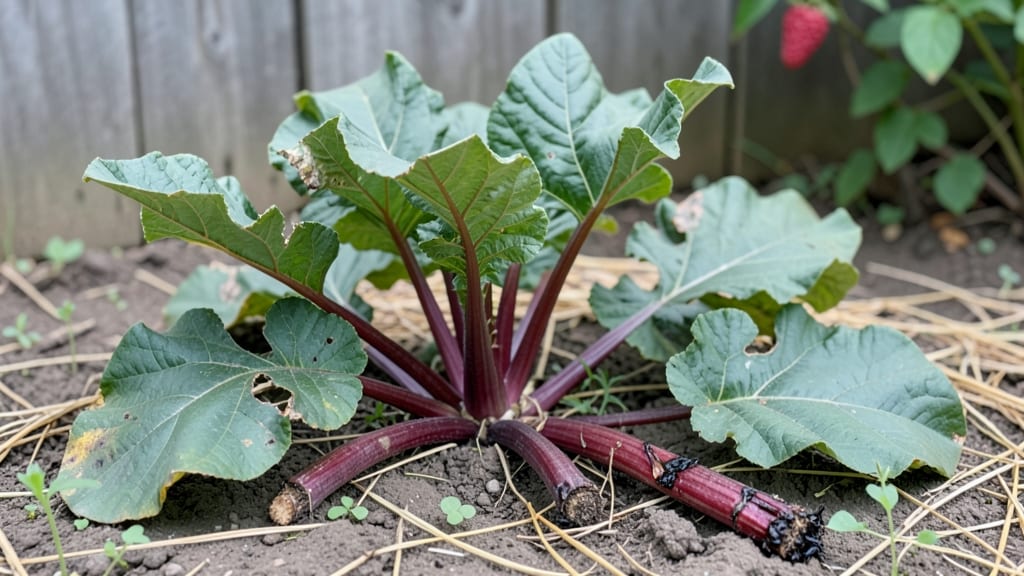
Yellow leaves and stunted rhubarb plant problems don’t mean your harvest is doomed—just that your plants need a quick tune-up. 🌱 I’ve nursed back more rhubarb patches than I’d like to admit, and the fixes are simpler than you’d expect.
Most issues boil down to water, soil, or pests, and once you spot the pattern, recovery is fast.
The real game-changer? Checking the roots first. Overwatered rhubarb rots from the bottom up, while underwatered plants pull in nutrients like a straw. Even the hardiest varieties need well-draining soil—amend heavy clay with compost, and you’ll see new growth within weeks.
And yes, those yellow leaves? Often just a sign of too much nitrogen or not enough sunlight.
By the end of this, your rhubarb will be pushing out bold red stalks again, not struggling for survival. We’ll cover slug traps, soil tests, and the one pruning trick that saves plants every spring. Let’s get those plants back on track—no guesswork, just results.
Works for both in-ground patches and container-grown rhubarb, so whether you’ve got a corner of the garden or a balcony setup, these fixes apply. Here’s how to diagnose and fix it fast.
Root Causes Of Rhubarb Struggles
Rhubarb plants, though hardy, can fall victim to a few key issues that disrupt their growth and health. Understanding the why behind these problems is the first step to restoring your plant’s vigor. Let’s break down the most common culprits—from soil woes to environmental stressors—and why they trigger trouble.
Rhubarb thrives in well-draining, nutrient-rich soil with a slightly acidic to neutral pH (6.0–7.0). When soil fails to meet these needs, your plant sends distress signals like yellowing leaves, stunted growth, or even rotting crowns.
- Compacted or Heavy Soil: Rhubarb roots need oxygen. If soil is clay-heavy or waterlogged, roots suffocate, leading to chlorosis (yellowing between leaf veins) and poor nutrient uptake.
- Nutrient Deficiencies: Lack of key nutrients like nitrogen, potassium, or magnesium causes leaf discoloration. For example, magnesium deficiency (often from overwatering or poor soil) turns older leaves yellow with green veins.
- pH Imbalances: Soil too acidic (<5.0) or alkaline (>7.5) locks out essential nutrients like phosphorus and iron, stunting growth. Iron chlorosis (yellowing between veins) is a classic sign.
Why it happens: Rhubarb’s deep taproot system struggles in anaerobic (low-oxygen) or chemically imbalanced soils. Without proper aeration and nutrient availability, the plant can’t photosynthesize or transport water efficiently.
Rhubarb’s tolerance for moisture is narrow—too much or too little throws off its delicate balance, leading to stress symptoms like wilting, leaf scorch, or fungal infections.
- Overwatering: Soggy soil deprives roots of oxygen, causing root rot (a fungal disease like Phytophthora) and yellowing leaves. The crown may also ooze or smell foul.
- Underwatering: Dry soil disrupts nutrient transport, leading to crispy leaf edges and stunted stalks. Rhubarb’s thick leaves wilt dramatically in drought conditions.
Why it happens: Rhubarb prefers consistently moist (not soggy) soil. Overwatering creates anaerobic conditions that suffocate roots, while underwatering forces the plant to shut down photosynthesis to conserve moisture. Both scenarios trigger oxidative stress in cells.
Rhubarb is relatively pest-resistant, but aphids, Japanese beetles, and fungal pathogens like cercospora leaf spot can wreak havoc if conditions favor their spread.
- Pests (Aphids, Beetles, Slugs): These sap-suckers or leaf-chewers inject toxins or damage tissue, causing yellowing, curling, or holes in leaves. Aphids also excrete honeydew, attracting sooty mold.
- Fungal Infections: High humidity and poor airflow promote diseases like rust (orange pustules) or leaf spot (brown spots with yellow halos), which disrupt chlorophyll production.
Why it happens: Pests thrive in stressed plants (e.g., those with nutrient deficiencies or overcrowded beds). Fungal spores spread via water splashing or contaminated tools, exploiting weak spots in the plant’s defense system.
Rhubarb is cold-hardy but sensitive to extreme heat, frost damage, or improper light exposure. These factors disrupt cellular processes, leading to visible decline.
- Too Much Sun or Heat: Intense afternoon sun (especially in hot climates) causes leaf scorch—brown, crispy edges from water loss. Heat stress also stunts stalk production.
- Frost or Late Freezes: New growth is frost-sensitive. Damage appears as blackened or mushy leaves, and the plant may take weeks to recover.
- Shade Deficiency: While rhubarb tolerates partial shade, too little light reduces photosynthesis, leading to pale, weak leaves and poor stalk development.
Why it happens: Environmental stressors trigger oxidative damage in plant cells. Heat causes protein denaturation, frost ruptures cell membranes, and low light limits energy production. Rhubarb’s large leaves are particularly vulnerable to water loss in heat.
Pro Tip: 💡 Most rhubarb problems stem from one or more of these root issues. Start by checking soil moisture, pH, and drainage—often, the fix is simpler than you think! For example, amending soil with compost or adjusting watering schedules can resolve half the common issues.
Quick fixes for common rhubarb issues
Reviving your rhubarb plant doesn’t have to be a mystery—most problems have straightforward solutions, and a little preventive care can keep your plant thriving for years. Below are practical, step-by-step fixes for the most common rhubarb woes, along with tips to stop them from recurring.
Cause: Overwatering (root rot) or underwatering (nutrient stress) are the top culprits for yellow leaves. Poor drainage or compacted soil can also trap moisture, suffocating roots.
🔥 Fix It Fast:
- Check the Soil Moisture 💧
- Stick your finger 1–2 inches deep into the soil. If it’s soggy, you’re overwatering. If dry as a bone, it’s time to hydrate.
- Adjust Your Watering Routine 👨🌾
- Overwatered? Let the top 3–4 inches of soil dry out between waterings. Improve drainage by mixing in compost or perlite (20% of the soil volume).
- Underwatered? Water deeply once a week (more in extreme heat) and mulch with straw or wood chips to retain moisture.
- Trim the Damage ✂️
- Snip off only the yellowed leaves—never the entire stalk. Healthy green leaves will photosynthesize and keep the plant fed.
💡 Prevention Tip:
- Plant rhubarb in well-draining soil with a slight slope to avoid water pooling. A 5-gallon bucket buried near the plant can help divert excess rainwater.
Cause: Rhubarb is a heavy feeder—if it’s not getting enough nutrients (especially nitrogen, phosphorus, or potassium), growth slows. Compacted soil or root-bound plants also struggle.
🍳 Feed It Right:
- Test Your Soil 📊
- Grab a soil test kit (available at garden centers) to check pH (ideal: 6.0–6.8) and nutrient levels.
- Fertilize Smart 🥗
- Spring boost: Sprinkle 5-10-10 fertilizer (or compost) around the base in early spring. Follow package instructions.
- Organic option: Mix in well-rotted manure or bone meal for a phosphorus kick (helps root development).
- Loosen the Soil 🔨
- Gently aerate the top 6 inches of soil with a fork to improve root access to oxygen and nutrients.
🎯 Prevention Tip:
- Side-dress in late summer with a balanced fertilizer (like 10-10-10) to prep for next year’s growth. Avoid over-fertilizing—too much salt can burn roots!
Cause: Rhubarb can fall prey to Japanese beetles, aphids, crown rot, or leaf spot—especially in humid or crowded conditions.
👨🍳 Treat It Naturally:
- Spot Japanese Beetles? 🐞
- Handpick them into soapy water in the morning. Spray with neem oil (follow label rates) for a natural repellent.
- Aphid Infestation? 🐜
- Blast them off with a strong stream of water. Introduce ladybugs (natural predators) or use insecticidal soap.
- Fungal Issues (Leaf Spot/Crown Rot)? 🍄
- Remove infected leaves immediately and dispose of them (don’t compost!). Space plants 3 feet apart for airflow.
- Prevent recurrence: Water at the base (not overhead) and avoid mulching too close to the crown.
✨ Prevention Tip:
- Rotate crops—don’t plant rhubarb in the same spot for more than 3–4 years to prevent disease buildup.
- Plant companion flowers like marigolds or nasturtiums to deter pests naturally.
Cause: Rhubarb’s crowns are semi-hardy but can heave (push out of the soil) or freeze in harsh winters, especially in Zone 3 or colder.
🔪 Protect It Now:
- Mulch Like a Pro 🍂
- After the first frost, pile on 4–6 inches of straw or leaves around the base. This insulates roots and prevents heaving.
- Cover in Extreme Cold ❄️
- In Zone 4 or colder, drape burlap or frost cloth over the plant and secure with bricks. Remove in early spring before new growth appears.
- Prune Carefully ✂️
- Never cut back until late winter/early spring (after the last frost). Old leaves protect the crown from freezing.
🌡️ Prevention Tip:
- Choose cold-hardy varieties like ‘Canada Red’ or ‘Valentine’ if you live in Zone 3 or below.
If your rhubarb shows severe rot, widespread disease, or no signs of recovery after 4–6 weeks, it may be time to replace the plant. Dig up the old one, sterilize your tools, and start fresh with a new crown.
Remember: Rhubarb is perennial and resilient—with the right care, it can thrive for decades. Most issues are fixable with proactive adjustments to water, soil, and pests. Happy gardening! 🌱💚
Frequently asked questions about rhubarb plant problems
Why are my rhubarb leaves turning yellow?
Yellow leaves usually mean overwatering (causing root rot) or nutrient deficiencies like nitrogen or magnesium. Check soil moisture—it should feel damp but not soggy. Amend with compost and avoid waterlogging to revive your plant.
How do I fix stunted rhubarb growth?
Stunted growth often comes from poor soil drainage or lack of nutrients. Test your soil pH (ideal: 6.0–6.8) and add 5-10-10 fertilizer in spring. Loosen compacted soil with a fork to help roots breathe. Mulch with straw to retain moisture.
What should I do if my rhubarb crown is rotting?
Crown rot from overwatering or fungal infections requires immediate action. Stop watering until the top 3–4 inches of soil dry out, then improve drainage with perlite. Remove any mushy tissue and replant in fresh, well-draining soil.
Are aphids or beetles eating my rhubarb leaves?
Yes! Japanese beetles and aphids are common pests. Handpick beetles into soapy water or spray with neem oil. For aphids, blast them off with water or introduce ladybugs. Prune heavily damaged leaves to prevent spread.
Can rhubarb survive winter in cold climates?
Rhubarb is hardy but needs protection in Zone 3 or colder. Mulch with 4–6 inches of straw after frost and cover with burlap in extreme cold. Avoid pruning until late winter to protect the crown.