
Companion Plants
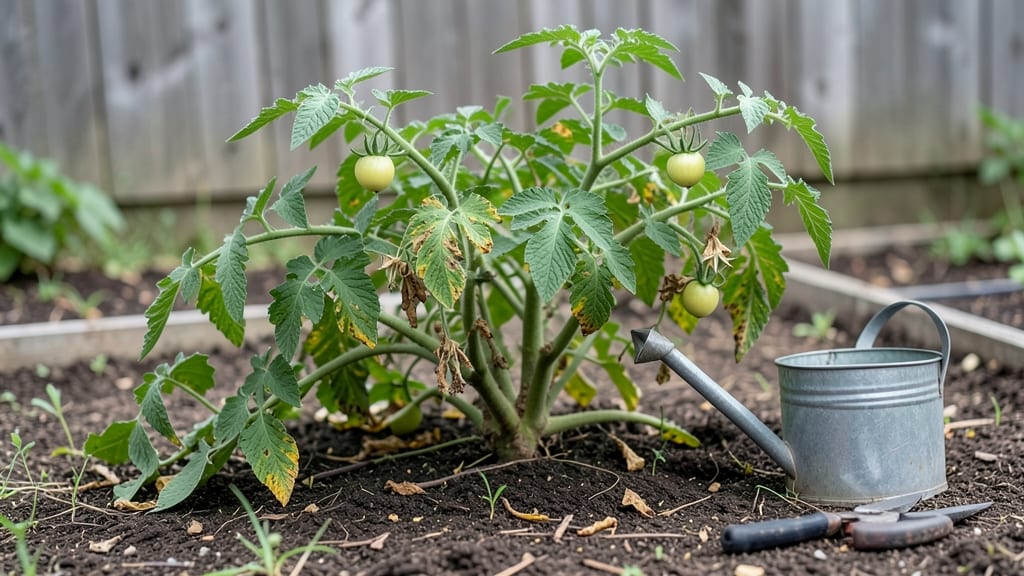
Even the trickiest problems with plants can vanish when you plant the right neighbor—my struggling greens now thrive thanks to clever companion pairings. 🌱 I’ve saved more plants this way than with expensive fertilizers, and sometimes just adding one species stops pests, boosts growth, and even fixes nutrient problems before they start.
The magic happens when you match plants that naturally support each other. For example, marigolds repel nematodes that attack tomatoes, while basil keeps flies off peppers.
These pairings aren’t just guesswork—they’re centuries of gardeners noticing which plants thrive together. The best part? You don’t need a degree in botany to start.
You’ll see stronger stems, fewer holes in leaves, and plants that bounce back faster from stress. Even wilting or yellowing can improve when the right companion draws nutrients or scares off pests. Think of it like giving your garden a built-in support system—no chemicals, just smart pairings.
Works for vegetables, flowers, and even herbs, no matter your yard size. Let’s get your struggling plants the help they need—naturally.
Root Causes Of Plant Struggles
Understanding why plants develop issues is half the battle in keeping your garden thriving. Often, problems stem from environmental mismatches, biological interactions, or simple oversights. Let’s break down the science behind the most common culprits—so you can address them like a pro.
Plants drown just as easily as they dehydrate. Overwatering disrupts oxygen flow to roots, suffocating them and inviting fungal infections like Phytophthora or Pythium. Poor drainage—whether from compacted soil, clay-heavy mixes, or containers without holes—traps excess moisture, creating a swampy environment where roots rot.
Why it happens:
- Soil composition: Clay or silt retains water like a sponge, while sandy soil drains too quickly, forcing frequent watering.
- Container constraints: Pots without drainage holes act as water traps, especially in humid climates.
- Seasonal shifts: Winter rains or spring thaws can overwhelm soil capacity, leading to waterlogged roots.
Actionable fix: Amend soil with perlite or compost to improve aeration, and always check drainage before planting.
Plants need a balanced diet of macronutrients (N-P-K) and micronutrients like iron, magnesium, and zinc. Deficiencies show up as yellowing leaves (nitrogen), stunted growth (phosphorus), or purple stems (potassium). Over-fertilizing can also burn roots or alter soil pH, locking out essential nutrients.
Why it happens:
- Soil depletion: Repeated harvests or no replenishment exhaust nutrients faster than plants can replenish them.
- pH imbalances: Acidic or alkaline soil blocks nutrient uptake (e.g., iron deficiency thrives in alkaline conditions).
- Improper fertilization: Synthetic fertilizers can create salt buildup, while organic matter breaks down unevenly.
Actionable fix: Test soil pH (aim for 6.0–7.0 for most plants) and use slow-release fertilizers or compost tea to balance nutrients.
Insects, fungi, and bacteria exploit stressed plants. Aphids, spider mites, and whiteflies thrive in dry, dusty conditions, while powdery mildew and rust spread in humid, stagnant air. Weak plants—from poor light or nutrient deficits—become easy targets.
Why it happens:
- Monoculture planting: Growing the same species in rows attracts pests that specialize in them (e.g., cabbage worms love brassicas).
- Climate mismatches: High humidity + warm nights = fungal outbreaks; drought stress weakens plants for insect attacks.
- Lack of biodiversity: Companion plants like marigolds (repel nematodes) or basil (deter flies) are missing, leaving crops vulnerable.
Actionable fix: Introduce companion plants (e.g., nasturtiums for aphids, chives for carrots) and rotate crops annually to disrupt pest cycles.
Plants are solar-powered, and light intensity, duration, and spectrum directly impact growth. Too little light leads to leggy, weak stems; too much scorches leaves. Temperature swings—like sudden frosts or heatwaves—can shock plants into dormancy or sunburn.
Why it happens:
- Indoor limitations: Low-light conditions (e.g., north-facing windows) stunt herbs and leafy greens.
- Outdoor extremes: Greenhouse heat buildup or cold drafts near windows cause stress.
- Seasonal shifts: Early spring or late fall light changes confuse plants’ internal clocks, delaying flowering.
Actionable fix: Group plants with similar light needs, use reflective surfaces to maximize sunlight, and protect tender species with row covers or shade cloth.
Healthy soil is teeming with microbes, but pathogens like Verticillium wilt or compacted soil (from foot traffic or machinery) smother roots and block water/nutrient flow. Compacted soil also reduces beneficial fungi (mycorrhizae) that help plants absorb nutrients.
Why it happens:
- Heavy foot traffic: Walking on garden beds compresses soil, reducing pore space for roots.
- Improper tilling: Over-tilling destroys soil structure and exposes pathogens to the surface.
- Past infections: Replanting in the same spot without sterilizing soil or rotating crops perpetuates diseases.
Actionable fix: Add biochar or coconut coir to improve soil structure, and practice crop rotation to break disease cycles.
Not all plant pairings are beneficial—some compete for resources, allelopathically inhibit growth (e.g., walnut trees release juglone toxin), or attract mutual pests. For example, planting fennel near dill can stunt the dill’s growth, while beans near onions may reduce nitrogen fixation.
Why it happens:
- Resource competition: Deep-rooted plants (like comfrey) steal water from shallow-rooted herbs (like thyme).
- Chemical interference: Some plants release toxins (e.g., black walnut’s juglone) that suppress neighbors.
- Pest magnets: Planting basil near tomatoes repels flies, but planting it near squash may attract spider mites.
Actionable fix: Research companion plant matrices (e.g., the "Three Sisters" method: corn, beans, squash) and avoid high-risk pairings like potatoes near tomatoes (both susceptible to blight).
Pro Tip: 💡 Most plant problems start with one of these three factors: water, light, or soil health. Diagnose the root cause before reaching for pesticides—often, the fix is as simple as adjusting care, not chemicals!
Quick Fixes For Plant Problems
Plants can be finicky, but the right companion plants and simple adjustments can turn struggling greenery into thriving companions. Below, we’ll tackle common issues with practical solutions—pairing the right plants to solve problems like pests, poor growth, and nutrient deficiencies.
Plus, we’ll share prevention tips to keep your garden healthy long-term.
If aphids, spider mites, or caterpillars are attacking your plants, companion plants can act as bodyguards.
🔥 Cause: Soft-bodied pests (aphids, whiteflies) or chewing insects (caterpillars, beetles) 🍳 Fix:
- Plant marigolds near veggies—their strong scent repels nematodes and aphids.
- Basil deters mosquitoes and flies while protecting tomatoes from whiteflies.
- Nasturtiums lure aphids away from your prized plants (they love nasturtiums more!).
- Garlic & chives release sulfur compounds that deter pests like Japanese beetles.
💡 Prevention Tip: Rotate crops yearly to prevent pest buildup. Interplant flowers (like alyssum or dill) to confuse insects.
Slow growth often means poor soil, lack of nutrients, or competition.
👨🍳 Fix:
- Pair legumes (beans, peas, clover) with heavy feeders (tomatoes, corn)—they fix nitrogen in the soil.
- Comfrey acts as a dynamic accumulator, pulling up nutrients like potassium and calcium for nearby plants.
- Chamomile improves soil structure and suppresses weeds, giving struggling plants a fighting chance.
🎯 Pro Tip: Mulch with compost or straw to retain moisture and reduce competition from weeds.
This common tomato and pepper problem causes squishy, dark spots at the fruit’s base—usually from calcium deficiency.
🔪 Fix:
- Plant borage nearby—it improves calcium uptake in the soil.
- Crush eggshells into the soil (or soak them in water for a calcium-rich tea).
- Avoid overwatering—fluctuating moisture levels worsen the issue.
✨ Prevention Tip: Test your soil’s pH (ideal: 6.0–7.0 for most veggies). Lime can help if soil is too acidic.
Yellow leaves often mean iron, nitrogen, or magnesium issues—but companions can help!
🌡️ Fix:
- For nitrogen: Plant alfalfa or clover as a green manure cover crop.
- For iron/chlorosis (yellowing between veins): Comfrey tea or stinging nettle boosts iron availability.
- For magnesium (yellow patches): Wood ash (sparingly) or kelp meal can help.
📊 Prevention Tip: Rotate crops every 2–3 years to prevent nutrient depletion. Mulch with leaf mold for slow-release nutrients.
Powdery mildew, rust, and blight thrive in humid, stagnant conditions.
🥘 Fix:
- Plant fungicide companions:
- Garlic & onions inhibit fungal spores.
- Thyme & oregano improve soil microbial balance.
- Chives deter fungal diseases in nearby plants.
- Space plants properly (6–12 inches apart) for better airflow.
- Avoid overhead watering—use drip irrigation instead.
🔥 Prevention Tip: Remove infected leaves immediately and sterilize tools with rubbing alcohol.
Final Thought: The key to solving plant problems is observation + the right companions. Start with 1–2 fixes, monitor progress, and adjust as needed. Happy gardening! 🌱💚
Frequently asked questions
Why do my plants suddenly stop growing even when I water them regularly?
Slow growth often signals nutrient deficiencies or root stress. Check for yellowing leaves (nitrogen deficiency) or purple stems (potassium shortage). Try pairing with legumes like clover (which fix nitrogen) or comfrey (which pulls up calcium). Also ensure proper drainage—waterlogged roots can't absorb nutrients efficiently.
How do I tell if my plant has a pest problem or a disease?
Pests leave visible damage like chewed leaves (caterpillars) or sticky residue (aphids), while diseases show as powdery coatings (mildew) or spots (blight). Start with marigolds (repel pests) or garlic (fights fungi). If unsure, examine leaves under a magnifying glass—tiny insects or fungal threads reveal the culprit.
Can companion plants really fix soil problems like nutrient depletion?
Dynamic accumulators like comfrey pull up nutrients (potassium, calcium) from deep soil layers and make them available to neighbors. Legumes (beans, peas) add nitrogen naturally, while chamomile improves soil structure. For quick fixes, mulch with compost or use comfrey tea—both boost nutrient availability without chemicals.
What’s the best way to prevent fungal diseases like powdery mildew?
Improve air circulation by spacing plants 6–12 inches apart and avoid overhead watering. Plant fungicide companions like thyme or garlic nearby—they inhibit spores. Remove infected leaves immediately and sterilize tools with rubbing alcohol. For extra protection, interplant with chives, which naturally deter fungal spread.
Will companion plants work in containers or only in gardens?
Yes! Small-scale pairings work perfectly in pots. Try basil + tomatoes (repels pests) or nasturtiums + lettuce (aphid trap). Use well-draining soil with perlite, and choose compact companions like dwarf marigolds or chives. Just ensure containers have drainage holes—root rot from poor drainage is the #1 container killer.