
Watering
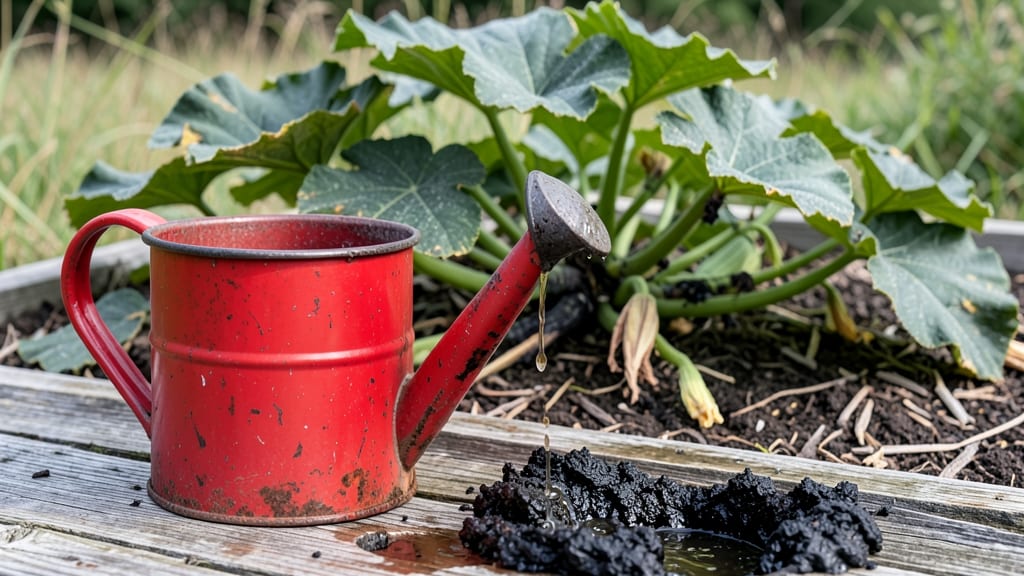
Overwatered squash plants look like they’ve been through a hurricane—yellowing leaves, mushy stems, and vines that flop like overcooked noodles. 🌱 I’ve seen this mess more times than I’d like, but the good news?
You can turn things around in just 3 days without sacrificing a single squash. The key is acting fast and fixing the root (literally) of the problem.
Most gardeners drown their squash thinking they need constant moisture, but these plants hate soggy feet. Too much water cuts off oxygen, inviting fungal diseases like powdery mildew or root rot, which turn your vines into a sad, wilting mess.
The moment you notice leaves turning yellow or stems feeling soft, it’s time to intervene—before the whole plant throws in the towel.
Start by cutting back on water immediately—let the top inch of soil dry out completely before watering again. If your soil drains like a clogged sink, mix in 2-3 inches of compost to improve aeration, and consider elevating beds with a layer of gravel.
Within 72 hours, you’ll see leaves perk up and new growth pushing through, proving your squash isn’t ready to quit just yet.
Once the crisis is over, keep watering deep but infrequent—aim for 1-1.5 inches per week, delivered at the base of the plant, not the leaves. Mulch heavily to retain moisture without smothering roots, and watch your vines bounce back stronger than ever.
The secret? Treat your squash like a desert plant, not a swamp dweller.
Root Causes Of Overwatering Squash
Squash plants, like many vegetables, thrive in balanced moisture—but too much water can quickly turn your garden into a soggy mess. Understanding why this happens is the first step to fixing it. Below, we break down the key culprits behind overwatered squash, backed by science and actionable insights.
Squash roots need oxygen to absorb nutrients efficiently. When soil drains poorly—whether due to clay-heavy textures, compacted earth, or a lack of organic matter—water pools around roots instead of seeping away. This creates anaerobic conditions, where roots suffocate and can’t process water or nutrients properly.
🔹 Why it matters: Roots in waterlogged soil release ethanol (yes, like alcohol!) as a byproduct of drowning, which further stresses the plant.
💡 Pro Tip: Test your soil’s drainage by digging a 6-inch hole, filling it with water, and timing how long it takes to drain. If it’s slower than 4 hours, amend with compost, perlite, or coarse sand to improve airflow.
Squash plants have shallow, sprawling root systems that spread wide but not deep. When you water on a rigid schedule—especially with small, frequent doses—you risk keeping the topsoil perpetually damp. This mimics a rainforest environment, which squash (native to drier regions) hates.
🔹 Key triggers:
- Automatic sprinklers running daily (even light misting adds up).
- Hand-watering without checking soil moisture (e.g., sticking to "every other day" without adjustment).
- Ignoring weather: Watering after heavy rain or during humid spells.
🌡️ Science Note: Squash roots thrive in 60–70% soil moisture but deteriorate when moisture hits 80% or higher for more than 24 hours.
Even the best gardeners can fall victim to unpredictable weather. Prolonged cloud cover, monsoon-like downpours, or high humidity trick your plants into thinking they’re already drenched—yet you keep watering on top. Squash leaves transpire (release moisture) slower in humid conditions, so excess water lingers.
🔹 Red flags:
- Yellowing leaves paired with soggy soil after a week of rain.
- Fungal spots (like powdery mildew) appearing suddenly—fungi love wet foliage.
- Vines wilting despite visibly wet soil.
✨ Quick Fix: Use a moisture meter or the "squeeze test": Grab a handful of soil—if water drips out, hold off.
Squash in pots are high-risk for overwatering because:
- Limited root space = water has nowhere to escape.
- Plastic/pottery materials retain moisture longer than garden soil.
- No natural drainage in some containers (e.g., decorative pots without holes).
🔥 Warning: Even "self-watering" pots can drown squash if the reservoir isn’t emptied after heavy rains.
👨🍳 Action Step: Ensure pots have drainage holes and use terracotta or fabric grow bags (which dry faster than plastic).
Overwatered soil creates the perfect buffet for soil-borne fungi like Phytophthora or Pythium. These pathogens clog root cells, preventing water uptake and causing root rot. Infected plants may show:
- Black, mushy roots.
- Leaves turning yellow or brown at the edges.
- A rotten smell near the base of the plant.
💡 Prevention: Rotate crops annually and apply copper fungicide if fungal signs appear. Never water foliage (aim for the soil).
How to Revive Your Waterlogged Squash
If your squash plants are drowning in too much water, don’t panic—there’s still hope! The key is to act fast, adjust your care routine, and give your plants the right conditions to bounce back.
Below, we’ll break down the most common causes of overwatering and the practical fixes to save your squash vines, along with tips to keep them thriving long-term.
When soil stays soggy for days, roots suffocate and can’t absorb oxygen or nutrients. Here’s how to fix it:
- 🍳 Step 1: Stop Watering Immediately Let the soil dry out naturally for 24–48 hours before watering again. Squash plants prefer consistent moisture, not a swampy mess.
- 👨🍳 Step 2: Improve Drainage If your garden bed or pots lack drainage, add a 2–3 inch layer of gravel, perlite, or coarse sand to the bottom. For in-ground plants, mix in compost or aged manure to loosen heavy clay soil.
- 🥘 Step 3: Loosen Compacted Soil Gently rake or fork the top 4–6 inches of soil around the base of the plant to break up compaction. This helps roots breathe and water drain faster.
- ⏰ Step 4: Water Deeply but Less Often Once the soil feels dry 1–2 inches below the surface, water slowly and deeply (about 1–1.5 inches per week, including rain). Use a soaker hose or drip irrigation to avoid wetting the leaves.
💡 Pro Tip: If your pots are the issue, switch to containers with drainage holes or plant in raised beds with fast-draining soil mixes.
Potted squash plants are especially vulnerable to overwatering. If water pools at the bottom, try these fixes:
- 🔪 Step 1: Check the Pot’s Drainage Poke holes in the bottom of plastic or ceramic pots if they don’t have any. For extra insurance, place a layer of pebbles or broken pottery at the bottom before adding soil.
- 🌡️ Step 2: Use Well-Draining Soil
Avoid garden soil—it compacts and holds too much moisture. Instead, mix:
- 50% potting mix
- 30% compost
- 20% perlite or vermiculite
- 🎯 Step 3: Adjust Watering Frequency Stick your finger into the soil—if the top 1–2 inches are dry, it’s time to water. Never let pots sit in saucers of water; empty excess after watering.
✨ Prevention Tip: Group pots together to create a microclimate that retains slight humidity but still allows airflow. Avoid placing them in shaded or wind-blocked areas where moisture lingers.
If overwatering has led to yellowing leaves, mushy stems, or mold, your plants may be developing fungal problems like powdery mildew or root rot. Act now to prevent spread:
- 🔪 Step 1: Prune Damaged Foliage Use sterilized scissors to cut off yellow, brown, or mushy leaves at the base. This improves airflow and stops the fungus from spreading.
- 💡 Step 2: Apply Fungicide (If Needed) For powdery mildew, spray leaves with a baking soda solution (1 tsp baking soda + 1 quart water + a drop of dish soap). For root rot, treat with a copper-based fungicide or hydrogen peroxide (3%) diluted to 1:10 ratio.
- 🌡️ Step 3: Adjust Humidity & Airflow Space plants 12–18 inches apart to improve airflow. If growing in a greenhouse or humid climate, use a fan on low for a few hours daily.
💡 Pro Tip: Mulch around plants with straw or wood chips to regulate soil temperature and reduce evaporation—but keep mulch 2–3 inches away from the stem to prevent rot.
Once your squash plants are back on track, keep these habits to avoid future overwatering:
- 📊 Monitor Soil Moisture Invest in a moisture meter or do the finger test daily. Squash prefers soil that’s moist but not soggy—like a wrung-out sponge.
- 💪 Use Mulch for Even Moisture Apply a 2–3 inch layer of organic mulch (straw, grass clippings, or shredded leaves) to lock in moisture and prevent evaporation.
- 🌡️ Water in the Early Morning Watering between 6–9 AM gives leaves time to dry before evening, reducing fungal risks.
- 🎯 Choose the Right Variety Some squash types (like butternut or acorn) handle moisture better than others. If your area is prone to rain, opt for drought-tolerant varieties.
With these fixes, your squash plants should perk up within 3–5 days. Keep an eye on new growth, and soon you’ll be harvesting plump, healthy squash instead of wilting vines! 🎉
Frequently asked questions
Why do my squash leaves turn yellow when the soil is wet?
Yellowing leaves in damp soil signal root stress from lack of oxygen. Squash roots release ethanol when drowned, which poisons the plant. Check for mushy stems or black roots—these are signs of root rot. Stop watering immediately and let the soil dry out for 48 hours before assessing further.
Can I save squash plants if the stems feel mushy?
Mushy stems mean root rot has set in, but act fast! Prune all damaged leaves, improve drainage with gravel or compost, and treat with a copper fungicide. If the plant is still upright, it may recover in 3-5 days. For severe cases, consider propagating healthy vines from cuttings if possible.
How often should I water squash in containers?
Potted squash needs 1-1.5 inches of water weekly, but check soil moisture first. Stick your finger 1-2 inches deep—if dry, water thoroughly. Empty saucers after watering to prevent soggy roots. Use terracotta pots or containers with drainage holes to speed drying.
Will overwatered squash still produce fruit?
Yes, but yield may drop. Stressed plants divert energy to survival, not fruit production. Focus on reviving roots first—once leaves perk up, new growth and fruit should resume. For best results, reduce watering immediately and improve soil aeration with compost or perlite.