
Diseases
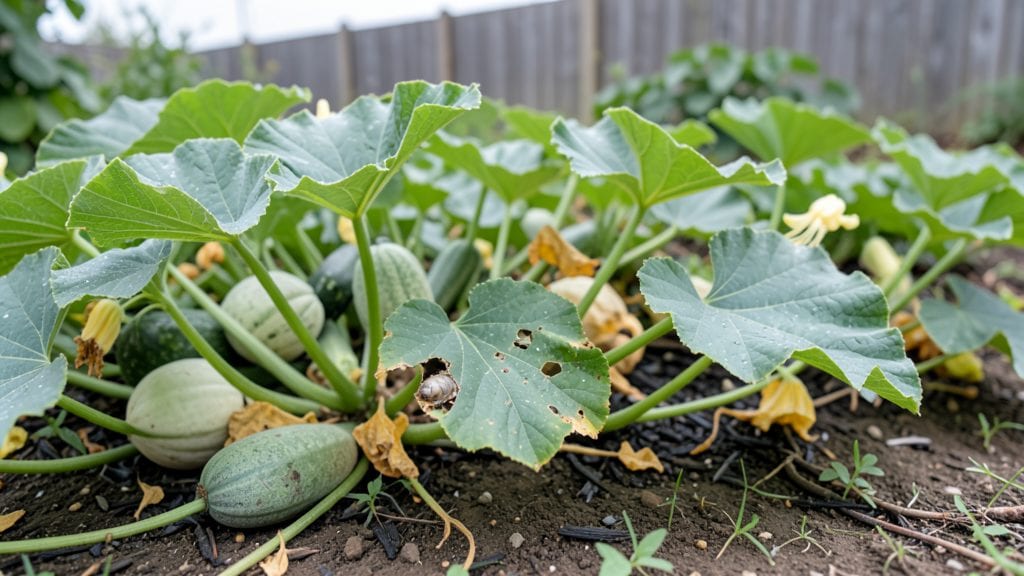
Squash plant diseases on leaves can turn your harvest from lush to lost in weeks—yellow spots, black rot, and powdery coatings are the red flags. 🌱 I’ve watched my own vines go from thriving to struggling overnight, and the key to saving them is spotting the problem early.
Powdery mildew starts as white dust, downy mildew looks like yellow oil spots, and bacterial rot spreads like ink on wet paper.
Most of these diseases thrive in warm, humid conditions, but they don’t need a greenhouse to take hold. Poor air circulation, overcrowded plants, and wet leaves after watering create the perfect storm.
The good news? Catching them early means you can still salvage your crop with the right mix of pruning, sprays, and prevention.
You’ll learn to identify each disease by sight and texture, then act fast—whether that means cutting back infected leaves, applying organic sprays like neem oil, or adjusting your watering routine. The goal isn’t just to stop the spread but to keep your squash plants productive until harvest.
Works for zucchini, pumpkins, and winter squash alike, and the techniques scale from backyard gardens to container growing. Let’s get those leaves healthy again before the damage spreads.
Root Causes Behind Leaf Troubles
When your squash leaves start showing signs of distress—yellowing, spots, or sudden wilting—it’s rarely a coincidence. These symptoms are your plants’ way of signaling trouble, often tied to specific environmental, biological, or cultural factors.
Understanding why these issues arise is the first step to preventing them. Below, we break down the most common culprits behind squash leaf diseases, explained in clear, actionable terms.
Fungi are the #1 cause of squash leaf diseases, thriving in warm, humid conditions. These microscopic invaders don’t just appear—they exploit weaknesses in your plants’ defenses. Here’s how they gain the upper hand:
- Overhead Watering 💦 Fungal spores (like those causing downy mildew or powdery mildew) splash onto leaves when water hits foliage, creating the perfect entry point. Unlike roots, leaves lack protective bark, making them vulnerable to fungal colonization.
- Poor Air Circulation 🌬️ Crowded plants or dense vines restrict airflow, trapping moisture on leaves. Fungi love this environment—high humidity (above 75%) and stagnant air turn leaves into fungal buffets.
- Weakened Plants 🌱 Squash stressed by drought, nutrient deficiencies (especially magnesium or nitrogen), or transplant shock have thinner cell walls, making it easier for fungi to penetrate. Phytophthora (a water mold) often targets plants already struggling.
- Contaminated Tools or Soil 🔄 Fungal spores can linger in old compost, garden tools, or even last year’s plant debris. If you reused soil or didn’t sterilize pruners, you might’ve unknowingly introduced Alternaria or Cercospora spores.
💡 Pro Tip: Fungi spread fastest in the morning when dew lingers. Water in the early afternoon to give leaves time to dry—this simple habit can slash fungal risk by 50%.
Unlike fungi, bacteria multiply rapidly—sometimes within days—and cause diseases like bacterial leaf spot or bacterial wilt. They don’t just infect leaves; they clog xylem vessels, cutting off water flow and turning leaves black or mushy. Here’s how they gain access:
- Physical Damage 🔪 Bacteria like Xanthomonas enter through tears in leaves (e.g., from hail, insects, or rough handling). Even a tiny wound can become a gateway.
- Contaminated Water 🚰 Using untreated water (from ponds, rain barrels, or recycled irrigation) can introduce bacteria. Pseudomonas thrives in stagnant water sources.
- Insect Vectors 🐜 Aphids, flea beetles, and even squash bugs can carry bacteria from plant to plant. Once they feed, they leave behind a bacterial “gift” in their saliva.
- High Heat + Humidity ☀️💧 Temperatures above 80°F (27°C) accelerate bacterial growth. If your garden is also humid, bacteria reproduce like rabbits, overwhelming your squash’s defenses.
⚠️ Warning: Bacterial diseases often cannot be cured—only managed. Remove infected plants immediately and disinfect tools with a 10% bleach solution (1 part bleach to 9 parts water) to prevent spread.
Not all leaf problems stem from pathogens. Sometimes, your squash’s environment is the real villain. These factors don’t cause diseases directly, but they lower resistance, making plants prime targets:
| Stressor | How It Harms Leaves | Fix It Fast |
|---|---|---|
| Extreme Heat 🔥 | Leaves scorch (yellow/brown edges) as cells dry out. Heat also weakens cuticles, making them easier for pathogens to breach. | Use shade cloth (30–50%) during peak sun. Mulch with straw to keep roots cool. |
| Nutrient Deficiencies 🌱 | Yellowing between veins (chlorosis) signals magnesium or iron deficiency. Weak leaves can’t fight off pests/diseases. | Feed with Epsom salt (1 tbsp/gallon water) for magnesium or use chelated iron supplements. |
| Poor Drainage 💦 | Waterlogged soil starves roots of oxygen, causing root rot. Diseased roots can’t support healthy foliage. | Amend soil with perlite or compost. Plant in raised beds if your soil is clay-heavy. |
| Pesticide Burn 🍄 | Overuse of copper sprays or synthetic fungicides can damage leaf tissue, creating entry points for pathogens. | Rotate organic sprays (neem oil, baking soda) and always follow label rates. |
🎯 Key Insight: Healthy squash plants resist diseases better. Focus on prevention—like proper spacing, crop rotation, and balanced fertilization—to keep leaves strong.
Now that you know why squash leaf diseases strike, the next step is identifying the specific culprit. Each pathogen leaves unique clues—don’t miss them!
Fixing Squash Leaf Diseases Fast
Now that you’ve identified the trouble, let’s roll up your sleeves and get those squash plants back to their healthy, leafy best! The key is acting quickly—whether you’re dealing with fungal infections, bacterial rot, or pesky pests.
Below, we’ve matched the most common squash leaf diseases to practical, step-by-step solutions, plus prevention tips to keep your garden thriving.
Fungi like powdery mildew, downy mildew, and anthracnose thrive in damp conditions. Here’s how to kill the spores and save your plants:
🔥 Remove and Destroy Infected Leaves
- 🍳 Snip it out: Use clean pruners to cut off all yellow, spotted, or moldy leaves—don’t compost them!
Toss them in the trash (not the yard waste bin, where spores can survive). - 👨🍳 Sterilize tools: Wipe pruners with rubbing alcohol between cuts to avoid spreading disease.
🥘 Fungicide Sprays That Work
- 🌿 Homemade remedy: Mix 1 tsp baking soda + 1 tsp dish soap + 1 quart water in a spray bottle.
Apply early morning (avoid direct sunlight) every 5–7 days until symptoms fade. - 💊 Store-bought options: Copper fungicide (like Bonide Copper Fungicide) or neem oil (diluted per label) are organic and effective for powdery/downy mildew. - ⏰ Timing is everything: Spray preventatively at dusk if humidity is high or after rain.
🌡️ Improve Airflow & Light
- ✨ Space plants 2–3 feet apart to reduce humidity buildup.
- 🎯 Thin vines if they’re crowded—this helps leaves dry faster after watering.
- 🔥 Move containers if possible to a sunnier spot (fungi love shade).
Bacterial spots (like bacterial leaf spot) and black rot are trickier because bacteria spread via water and tools. Disinfection is non-negotiable.
🍳 Prune & Burn Infected Growth
- 🔪 Cut out diseased leaves (including stems) immediately—bacteria can linger in plant tissue.
- 👨🍳 Burn or bag infected debris (do not leave it in the garden).
🥘 Copper-Based Bactericides
- 💊 Use copper fungicide (like Copper Soap) every 7–10 days—it’s one of the few sprays that kills bacteria.
- ⚠️ Warning: Avoid spraying when temps exceed 85°F—it can damage leaves.
🌡️ Water Smartly to Stop Spread
- 🎯 Water at the base, never overhead (especially in the evening).
- ✨ Use a drip irrigation system or soaker hose to keep leaves dry.
- 🔥 Avoid working in the garden when leaves are wet (you’ll spread bacteria on tools/clothes).
Aphids, squash bugs, and cucumber beetles weaken plants, making them susceptible to diseases. Smother them before they multiply!
🍳 Manual Removal (Best for Small Infestations)
- 🔥 Handpick squash bugs (look for grayish, shield-shaped adults under leaves).
- 👨🍳 Crush cucumber beetles (they’re striped yellow/green) or drop them in soapy water.
🥘 Natural & Chemical Controls
- 🌿 Neem oil spray: Mix 2 tbsp neem oil + 1 tsp mild soap + 1 quart water.
Spray every 5–7 days to disrupt pest life cycles. - 💊 Insecticidal soap: Spray directly on pests (avoid blooming plants—it can harm pollinators). - ✨ Row covers: Use floating row covers early in the season to block pests before they lay eggs.
🌡️ Trap Crops & Barriers
- 🎯 Plant nasturtiums nearby—they attract aphids away from squash.
- 🔥 Use yellow sticky traps to catch flying adults (like cucumber beetles).
Prevention is your best defense! Here’s how to stop problems before they start:
- 🌱 Rotate crops: Don’t plant squash (or cucumbers/melons) in the same spot for 3+ years—this breaks disease cycles.
- 🔥 Start with disease-free seeds/transplants: Buy from reputable nurseries or grow from organic, untreated seeds.
- 🌡️ Test your soil: pH 6.0–6.8 and rich organic matter = healthier plants that fight off pathogens better.
- ✨ Mulch properly: Use straw or grass clippings (not wood chips) to keep soil moist but leaves dry.
- 🎯 Monitor daily: Check undersides of leaves (where pests/diseases hide) 2–3 times a week.
If more than 50% of the plant is diseased or black rot has spread to the vine, it’s often best to pull and destroy the plant to save your garden. Don’t compost it! Bag it and toss it in the trash.
Remember: Patience and consistency are key. Some fungal diseases take 2–3 weeks to fully clear, but with these steps, your squash plants will bounce back—stronger and disease-resistant! 🍉💪
Frequently asked questions about squash leaf diseases
Why do my squash leaves develop yellow spots even when I water regularly?
Yellow spots on squash leaves often signal nutrient deficiencies (like magnesium or iron) or fungal infections such as alternaria leaf spot. Check the soil pH—it should be between 6.0–6.8. If spots appear suddenly, inspect the undersides of leaves for fungal growth. Overwatering can also cause yellowing by suffocating roots.
Can I still harvest squash if the leaves have powdery mildew?
Yes, but focus on young, healthy fruit—mildew primarily affects leaves, not the edible parts. Remove infected leaves immediately and treat with a baking soda spray (1 tsp baking soda + 1 tsp dish soap per quart of water). Harvest squash in the morning when leaves are dry to avoid spreading spores.
How do I tell the difference between bacterial spot and fungal leaf spots?
Bacterial spots are water-soaked, greasy-looking with yellow halos, while fungal spots (like powdery mildew) appear dry and powdery or tarry black (for anthracnose). Bacterial spots often ooze when wet, and the disease spreads rapidly in humid conditions. Fungal spots usually have a fluffy or crusty texture.
Will neem oil work for bacterial infections on squash leaves?
Neem oil is not effective against bacteria—it only targets fungi, mites, and some insects. For bacterial infections like leaf spot, use a copper-based bactericide (applied every 7–10 days). Always remove infected leaves and sterilize tools to prevent spread.
How can I prevent squash diseases in containers?
Ensure containers have drainage holes to avoid waterlogging, and use a lightweight potting mix with perlite. Water at the base (never overhead) and space plants 2–3 feet apart for airflow. Rotate containers yearly and sterilize them with a 10% bleach solution before reuse.