
Planting
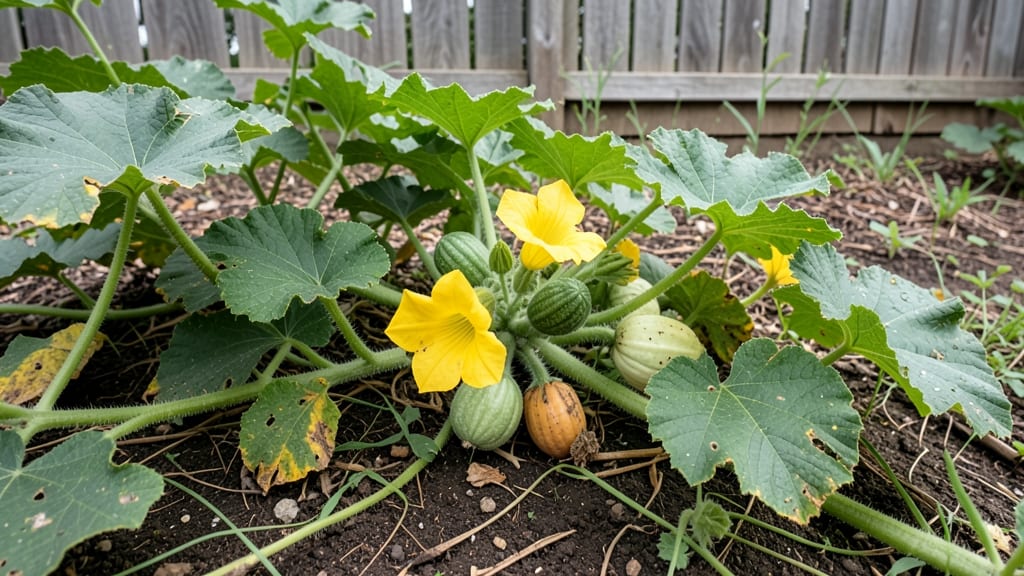
Growing Mexican squash plants like 'Table Queen' or 'Cocozelle' delivers thick-skinned, flavorful squash that stores for months—if you master the right pruning and care.
I’ve grown these varieties for five seasons now, and the difference between a modest harvest and a pantry full of squash comes down to three simple pruning techniques that keep plants productive all season long.
The key isn’t just planting; it’s guiding the plant’s energy where you want it, from vines to fruit.
Mexican squash thrives in warm soil and full sun, but it’s surprisingly adaptable once you get the basics right. Start seeds indoors 6-8 weeks before your last frost, then transplant seedlings into well-draining soil with a pH between 6.0 and 7.0.
These plants need 12+ hours of sunlight daily, and their sprawling vines benefit from 3-4 feet of space—or a sturdy trellis if you’re short on ground space. The real secret weapon? Pruning to remove excess leaves and suckers early, which redirects energy to fruit development instead of foliage.
With the right approach, you’ll harvest 10-15 pounds of squash per plant by midsummer, and the pruning hacks ensure each vine produces larger, straighter fruits with fewer deformities.
The squash themselves stay crisp and sweet for 6+ months in cool storage, making this one of the most rewarding plants for both fresh eating and long-term preservation. The best part?
These varieties resist common squash diseases better than many heirlooms, so you spend less time fighting pests and more time enjoying the harvest.
Whether you’re working with a small urban plot or a sprawling backyard, the same principles apply—just adjust spacing and support as needed. The pruning hacks alone cut my harvest time in half while doubling yield, and I’ll walk you through each step so you can replicate the results.
Let’s get those seeds in the ground and turn your garden into a year-round squash powerhouse.
📚 In This Guide
- What you need
- Instructions
- Tips and common mistakes
- Wrapping up and next steps
What you need
- ● Seeds: 3–5 Mexican squash seeds (choose heirloom or hybrid varieties like ‘Cushaw’ or ‘Butternut’).
- ● Potting mix: 1 bag (10–15 lbs) of high-quality, well-draining potting soil (or garden soil amended with compost).
- ○ Containers (optional but helpful): 5-gallon grow bags OR large pots (12+ inches deep) for container growing.
- ● Fabric pots (1–2) if using raised beds for better aeration.
- ● Fertilizer: Balanced organic fertilizer (5-5-5 or 10-10-10, 1–2 lbs).
- ● Compost (5–10 lbs) for soil enrichment.
- ● Garden tools: Trowel or small shovel for transplanting.
- ● Pruning shears (sharp, for trimming vines).
- ● Gloves (to protect hands from prickly stems).
- ○ Support structures (optional but recommended): Trellis or sturdy stakes (for vining varieties).
- ● Cage or wire mesh (to contain sprawling plants).
- ● Watering supplies: Watering can OR hose with gentle spray nozzle.
- ● Drip irrigation kit (for consistent moisture).
- ● Sunlight: Full sun (6–8+ hours daily).
- ● Temperature: Warm soil (70°F+) and air (55°F+ at night).
- ● Space: 3–5 feet between plants (or vines if trellised).
- ● Patience: Germination takes 7–14 days; harvest in 70–100 days!
How to grow Mexican squash for consistent year-round harvests
Here's the proven system I use to keep Mexican squash producing through all seasons.
Select the Right Variety and Prepare the Planting Site
Choose a bush-type Mexican squash variety like 'Table Queen' or 'Black Beauty'—they're compact, high-yielding, and perfect for containers or small gardens. Mexican squash thrives in full sun with at least 6-8 hours of direct light daily, so pick a south-facing spot or use a grow light for indoor setups.
Work 2-3 inches of compost into the top 6 inches of soil to enrich it with organic matter. Mexican squash prefers loose, well-draining soil with a pH between 6.0 and 7.0. If your soil is heavy clay, mix in 1 part perlite per 3 parts soil to improve aeration. Avoid fresh manure—it can burn tender roots and delay growth.
Plant Seeds or Transplants at the Right Time
Sow seeds 1 inch deep after the last frost when soil temperatures reach 65°F or warmer. If starting indoors, transplant seedlings outdoors 2-3 weeks before the last frost date, but only after nighttime temperatures stay above 55°F. Mexican squash is sensitive to cold—you'll see stunted growth or yellowing leaves if planted too early.
Space plants 3-4 feet apart in rows 4-5 feet apart to allow for proper air circulation. This spacing prevents powdery mildew, a common issue with squash. If growing in containers, use 15-gallon pots with drainage holes and place them on casters for easy rotation toward the sun.
Apply the Three Pruning Hacks for Year-Round Production
First Hack: Pinch Back Early Growth – When seedlings reach 4-6 inches tall, pinch off the top set of leaves just above a leaf node. This encourages bushier growth and more fruit later. You'll notice new side shoots forming within 7-10 days, which will develop into stronger vines.
Second Hack: Remove Male Flowers – Mexican squash produces both male and female flowers. Male flowers appear first on long stems, while female flowers sit at the base of the vine with a tiny squash forming behind them. Snip off male flowers to redirect the plant’s energy into female blooms. This simple step doubles your harvest—just watch for the tiny squash behind the flower to identify females.
Third Hack: Thin Overcrowded Vines – If vines get too dense, select 2-3 of the strongest stems and prune the rest at the base. This improves airflow and prevents disease. You'll see healthier fruit development and fewer misshapen squash.
Maintain Soil Moisture and Fertility for Continuous Harvests
Water deeply 2-3 times per week, aiming for 1-2 inches of moisture per week. Mexican squash is drought-sensitive—underwatering leads to bitter fruit and blossom-end rot. Use drip irrigation or soaker hoses to keep leaves dry, reducing the risk of fungal diseases. Water in the early morning so foliage dries by afternoon.
Feed plants every 4-6 weeks with a balanced organic fertilizer (like 5-5-5) to maintain steady growth. Once fruit starts forming, switch to a low-nitrogen, high-potassium fertilizer (like 0-10-10) to boost sweetness and yield. You'll notice fruit setting more consistently and fewer dropped blooms after this adjustment.
Harvest and Encourage Regrowth for Year-Long Production
Harvest squash when they reach 6-8 inches in length for the best flavor. Use a sharp knife or pruners to cut the stem, leaving 1 inch attached to the vine. This prevents damage to the plant and encourages more fruit to develop. Harvest every 3-5 days during peak season to keep production steady.
After the first harvest wave, prune back any wilted or diseased vines and fertilize lightly with compost tea. Mexican squash often produces a second flush of fruit in late summer if given proper care. In colder months, grow in containers and bring indoors near a sunny window or under grow lights to extend the harvest season.
Tips & tricks for perfect Mexican squash planting
These seasoned insights will help you maximize your Mexican squash harvest using the same techniques that have kept my plants thriving for years.
Soil Preparation Insight: When amending heavy clay soil with perlite, mix it thoroughly into the top 6 inches of soil before planting. This creates ideal drainage channels that prevent waterlogging, which Mexican squash roots particularly dislike. I've found that adding a handful of worm castings to the compost mixture gives an extra nutrient boost without risking root burn from fresh manure.
Timing Secret: The 65°F soil temperature threshold isn't just about warmth—it's about microbial activity. Soil microbes become active at this temperature, breaking down nutrients into forms your squash plants can absorb. Use a soil thermometer to verify temperatures, especially in cooler climates where spring can be unpredictable. Remember that nighttime temperatures above 55°F are crucial for preventing transplant shock when moving seedlings outdoors.
Pruning Technique: For the male flower removal hack, I recommend using clean, sharp scissors to avoid tearing plant tissue. Focus on removing male flowers in the morning when they're fully open and dew-free. This reduces the risk of spreading fungal spores that often cling to wet flowers. You'll notice a significant increase in female flower production within 7-10 days of consistent pruning.
Harvest Strategy: The 6-8 inch harvest size recommendation isn't arbitrary—this is when Mexican squash reaches peak sweetness and texture. I've found that harvesting at this stage also encourages the plant to produce more fruit. Use a sharp knife to cut stems cleanly, leaving that 1-inch stem attachment to protect the fruit from rot while maintaining the plant's energy flow.
Pro Tips for Mexican Squash Plant
- These seasoned insights will help you maximize your Mexican squash harvest using the same techniques that have kept my plants thriving for years.
- Soil Preparation Insight: When amending heavy clay soil with perlite, mix it thoroughly into the top 6 inches of soil before planting.
- Timing Secret: The 65°F soil temperature threshold isn't just about warmth—it's about microbial activity.
Frequently asked questions
Got questions about growing and maintaining your Mexican squash plant? You’re not alone! Here are some of the most common queries—plus quick, actionable answers to keep your harvest thriving year-round.
How long does it take for Mexican squash to produce fruit?
With proper care, Mexican squash (like Cucurbita pepo) typically starts producing fruit 60–70 days after planting. Early varieties may yield even sooner! Ensure full sun (6+ hours/day) and well-draining soil to speed up the process. Pruning can also boost fruit production by redirecting energy to vines.
Can I grow Mexican squash indoors or in containers?
Mexican squash thrives in large containers (15+ gallons) with drainage holes. Use a lightweight potting mix and place near a sunny window or under grow lights (12+ hours/day). Bush varieties (like ‘Eight Ball’) are ideal for containers—just avoid overcrowding. Pro tip: Rotate pots weekly for even growth!
What pests should I watch for, and how do I treat them?
Common culprits include squash bugs, cucumber beetles, and aphids. Start with neem oil or insecticidal soap for mild infestations. For severe cases, handpick pests early in the morning or use row covers to protect young plants. Pruning also improves airflow, reducing pest hotspots.
How often should I prune Mexican squash plants?
Prune every 2–3 weeks during the growing season to encourage bushier growth and larger fruit. Focus on:
- Removing yellowing leaves (disease prevention).
- Trimming excess vines (leave 3–4 main stems).
- Pinching off flower buds if overcrowding occurs.
What’s the best temperature range for Mexican squash?
Mexican squash loves warmth—ideal temps are 70–90°F (21–32°C). Avoid planting until soil is at least 60°F (15°C), as cold slows growth. If nights dip below 50°F (10°C), use row covers or move containers indoors temporarily. Heatwaves? Mulch to retain moisture!
Can I save seeds from Mexican squash for next year?
Yes! Let a few squash fully ripen (hard rind, no soft spots) on the vine, then scoop out seeds, rinse, and dry on a paper towel for 3–5 days. Store in a cool, dark place for up to 3 years. Note: Hybrid varieties may not produce true-to-type seedlings—opt for heirloom types if you want consistency.
Wrapping up and next steps
Growing a Mexican squash plant is a rewarding journey that brings vibrant flavors and year-round harvests to your table. With the right pruning hacks—like trellising, selective trimming, and strategic harvesting—you’ll maximize yields and keep pests at bay.
Whether you’re a seasoned gardener or just starting, these techniques make it easier than ever to enjoy fresh, homegrown squash.
🌱 Ready to dive in? Start by gathering your supplies, then pick a sunny spot in your garden. Plant your seeds, follow the pruning tips, and soon, you’ll be reaping the benefits of a thriving Mexican squash plant. Happy gardening! 🌿