
Blooming
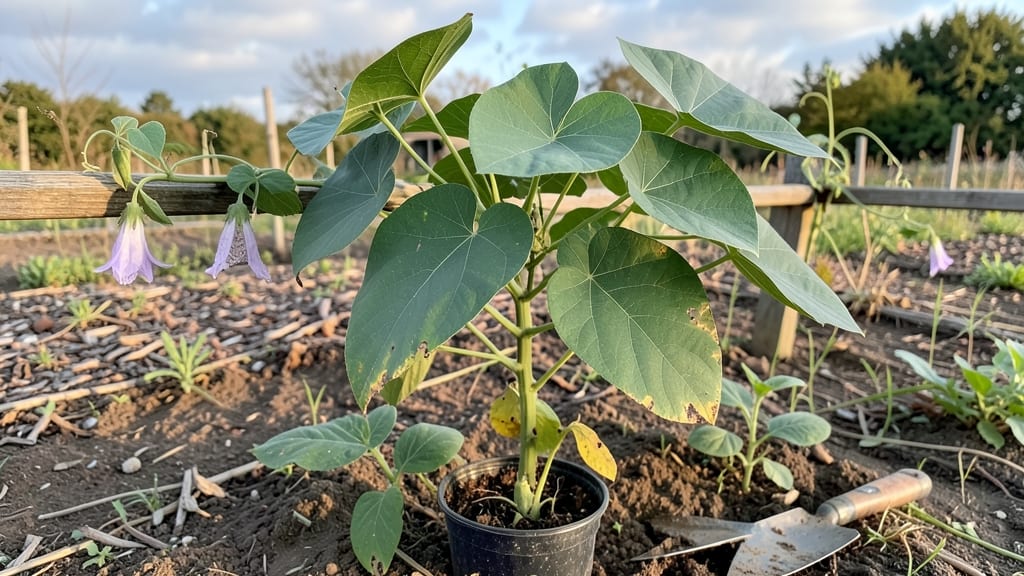
Planting yard long beans starts with a secret: their seeds sprout in just 3-5 days when you nail the soil temperature and moisture. I’ve watched these vines explode from the ground like green fireworks after a proper start—nothing beats that first flush of bright green leaves reaching for the sun.
The key isn’t just patience; it’s knowing exactly when and how to get them going fast, so you’re harvesting tender pods by midsummer instead of waiting weeks for slow starters.
You’ll need well-draining soil warmed to 70-85°F, a sunny spot with 6+ hours of light daily, and seeds spaced 4-6 inches apart in rows 18-24 inches apart. Most gardeners overlook the soil prep—amend with compost first, because these beans hate soggy roots.
Once planted, keep the soil consistently moist (not soaked) until germination, then let them stretch their legs without drowning. The first leaves appear quickest when you mimic their tropical roots’ love of warmth and airflow.
By midseason, you’ll be snapping off 12-18 inch pods—long, slender, and packed with flavor—every few days if you stay on top of harvesting. The leaves are edible too, but most growers focus on the pods, which thrive when picked young.
The vines keep producing for 6-8 weeks if you keep them fed with nitrogen-rich fertilizer and prune away spent flowers. That’s the fast payoff: from seed to table in under 90 days with the right start.
Works best in USDA Zones 7-11, but even cooler climates can grow them as annuals with row covers. The biggest mistake? Crowding plants or letting soil dry out after germination—both kill that speedy growth. Here’s how to avoid the pitfalls and get your vines racing toward harvest.
📚 In This Guide
- What you need
- Instructions
- Tips and common mistakes
- Wrapping up and next steps
What you need
- ● Yard-long bean seeds: 2–3 lbs (or ~1,000–1,500 seeds) per 100 sq. ft. (Choose heirloom varieties like ‘Emerald’ or ‘Asparagus Bean’ for best results.)
- ● Well-draining soil: Mix 60% topsoil with 40% compost or aged manure (pH 6.0–7.0).
- ● Fertilizer: Balanced 10-10-10 or organic options like fish emulsion (apply at planting and mid-season).
- ● Watering can or hose: With a gentle spray nozzle for consistent moisture.
- ● Trellis or stakes: 6–8 ft tall (bamboo, metal, or wooden) for climbing support (4–6 per 100 sq. ft.).
- ● Mulch: Straw or wood chips (2–3 inches) to retain moisture and suppress weeds.
- ● Garden trowel or shovel (for planting seeds 1–2 inches deep).
- ● Pruners or scissors (to trim vines and harvest beans).
- ○ Gloves (optional but helpful for prickly vines!).
- ● pH test kit (to monitor soil acidity).
- ○ Row cover or shade cloth (optional, for young plants in hot climates).
- ● Full sun exposure (6–8 hours daily).
- ● Warm soil temps (70°F+ for germination).
- ● Consistent watering (1–1.5 inches per week).
- ● Patience! Yard-long beans take 60–90 days to mature.
Instructions for planting yard long beans with rapid germination
Here’s how to get your yard long beans sprouting quickly and thriving—no waiting weeks for stubborn seeds.
Prepare the Soil for Optimal Germination
Yard long beans thrive in warm, well-draining soil with a pH between 6.0 and 6.8. Work the 3 gallons of compost into the top 12 inches of soil, mixing it thoroughly to loosen the earth. If your soil is heavy clay, add 1 gallon of coarse sand to improve drainage—these beans despise soggy roots.
Rake the area smooth and create shallow furrows about 1 inch deep, spaced 18 inches apart. The key here is warmth—yard long beans germinate fastest in soil that’s at least 70°F. If planting early, use black plastic mulch to raise soil temperature by 5-10°F before sowing.
Sow Seeds at the Right Depth and Spacing
Drop 4 seeds every 6 inches along each furrow, pressing them lightly into the soil so they make contact but aren’t buried deeply. Yard long beans have large seeds that need light to trigger germination—planting too deep delays sprouting by 3-5 days. Cover the seeds with a thin layer of soil or compost, then water gently with a fine spray nozzle to avoid displacing them.
Here’s the thing—yard long beans are sensitive to cold soil. If temperatures dip below 60°F, germination slows dramatically. Use a seedling heat mat if starting indoors, or wait until nighttime temps stay above 65°F for direct sowing. You’ll see tiny sprouts in as little as 5-7 days under ideal conditions.
Maintain Consistent Moisture Without Overwatering
After planting, keep the soil evenly moist but never waterlogged. Yard long beans need 1-1.5 inches of water per week, but they’re drought-tolerant once established. Water deeply 2-3 times per week, focusing on the base of the plants rather than overhead spraying. Wet foliage invites fungal diseases, especially in humid climates.
Watch for the first true leaves—these are the second set of leaves that appear after the initial seed leaves (cotyledons). Once they emerge, reduce watering slightly to encourage deeper root growth. Mulch with 2 inches of straw or grass clippings to retain moisture and suppress weeds, but avoid piling mulch directly against stems.
Provide Support and Monitor Growth Progress
Yard long beans are vigorous climbers, so install 5-foot-tall trellises or stakes at planting time. As vines reach 12 inches tall, gently weave them through the support structure to prevent breakage. These plants grow fast—expect 6-8 inches of new growth per week in warm weather.
Thin seedlings to the strongest 2 plants per foot once they’re 4-6 inches tall. Snip weaker stems at the base with clean scissors to avoid disturbing roots. You’ll know you’re on track when vines begin producing small white flowers after 6-8 weeks. Here’s the trick: hand-pollinate by gently shaking the plants in the morning to boost pod development.
Harvest at Peak Maturity for Continuous Production
Yard long beans are ready to harvest when pods reach 12-18 inches long but before they toughen or develop seeds. Pick every 2-3 days to encourage more flowering. Use sharp pruners to snip stems cleanly, leaving a small portion attached to the vine. This prevents disease entry points and keeps plants productive.
For a fast, abundant harvest, keep plants well-fed with a balanced fertilizer (like 10-10-10) every 4-6 weeks after flowering begins. Prune back leggy growth to focus energy on pod production. With proper care, a single plant yields 1-2 pounds of beans per season—and the faster you start, the sooner you’ll enjoy them.
Tips & tricks for planting yard long beans
Fast germination and abundant harvests start with these expert strategies that accelerate growth and prevent common pitfalls.
Soil Temperature is Non-Negotiable: Yard long beans won't germinate properly below 60°F, but they thrive at the exact 70°F minimum specified. If your spring soil is cooler, use black plastic mulch to raise temperatures by 5-10°F before planting. I've seen germination times cut from 14 days to just 5-7 days with this simple trick. For extra insurance, soak seeds overnight in warm water before planting—they'll sprout faster and more uniformly.
Seed Placement Precision: The 1-inch depth mentioned in Step 2 is critical—any deeper and you'll delay germination by 3-5 days. Press seeds lightly into the soil so they maintain contact with the earth but don't bury them completely. For even faster results, consider pre-sprouting seeds between damp paper towels for 24 hours before planting. The tiny sprouts will establish themselves almost immediately when transplanted.
Watering Technique Makes All the Difference: Yard long beans need consistent moisture, but the method matters. Use a soaker hose or drip irrigation to deliver water directly to the base of plants, avoiding wet foliage that invites fungal diseases. The 1-1.5 inches per week guideline should be met through deep watering 2-3 times weekly, not light daily sprinkling. I've found that mulching with 2 inches of straw helps maintain even moisture while suppressing weeds—just keep it away from stems to prevent rot.
Growth Monitoring Shortcuts: Track your plants' progress using the 12-inch height marker from Step 4. When vines reach this point, they'll be ready for trellis support and should show signs of vigorous growth. The 6-8 week timeline to flowering is accurate, but you can accelerate this slightly by hand-pollinating in the morning when flowers first open. Simply give the plants a gentle shake—this boosts pod development without any chemical interventions.
Pro Tips for Planting Yard Long Beans
- Fast germination and abundant harvests start with these expert strategies that accelerate growth and prevent common pitfalls.
- Soil Temperature is Non-Negotiable: Yard long beans won't germinate properly below 60°F, but they thrive at the exact 70°F minimum specified.
- Seed Placement Precision: The 1-inch depth mentioned in Step 2 is critical—any deeper and you'll delay germination by 3-5 days.
Frequently asked questions
Got questions about growing yard long beans? You’re not alone! Here are some of the most common concerns—plus quick, practical answers to help you grow like a pro.
When is the best time to plant yard long beans?
Plant yard long beans after the last frost when soil temperatures reach at least 60°F (15°C). In warm climates, they thrive year-round, while cooler regions benefit from late spring or early summer planting. For a second harvest, try late summer—just ensure 60+ days of warm weather remain.
How long does it take for yard long beans to germinate and grow?
Germination happens in 5–10 days in warm soil. Vines mature in 50–60 days, producing beans every 2–3 weeks once established. Pro tip: Thin seedlings to 4–6 inches apart for optimal airflow and growth!
Can I grow yard long beans in containers or small spaces?
Use 5-gallon pots or deeper containers with drainage. Train vines vertically on trellises or fences to save space. Just ensure they get 6+ hours of sun daily—containers dry out faster, so water consistently. Perfect for balconies or patios!
What pests or diseases should I watch for, and how do I fix them?
Common pests include aphids, spider mites, and bean beetles. Spray with neem oil or insecticidal soap for mild infestations. For fungal issues (like powdery mildew), improve airflow, avoid overhead watering, and use fungicidal sprays if needed. Prevention is key!
Are yard long beans spicy or hot like chili peppers?
Nope! Yard long beans are mild, tender, and slightly sweet—similar to green beans but longer and more flavorful. They’re often used in stir-fries, curries, or salads. Bonus: They’re packed with fiber, vitamins A/C, and antioxidants!
Wrapping up and next steps
Planting yard-long beans is a rewarding journey that brings vibrant greens and nutrient-packed harvests right to your doorstep! With the right soil, spacing, and care, you’ll enjoy fast germination and a bountiful yield—perfect for stir-fries, salads, or steamed dishes.
Whether you’re a beginner or a seasoned gardener, these tips ensure success, so grab your gloves and get growing!
Ready to start planting? Mark your calendar for the next full moon or warm season, prep your soil, and sow those seeds. Your garden—and taste buds—will thank you! 🌱✨