
Propagation
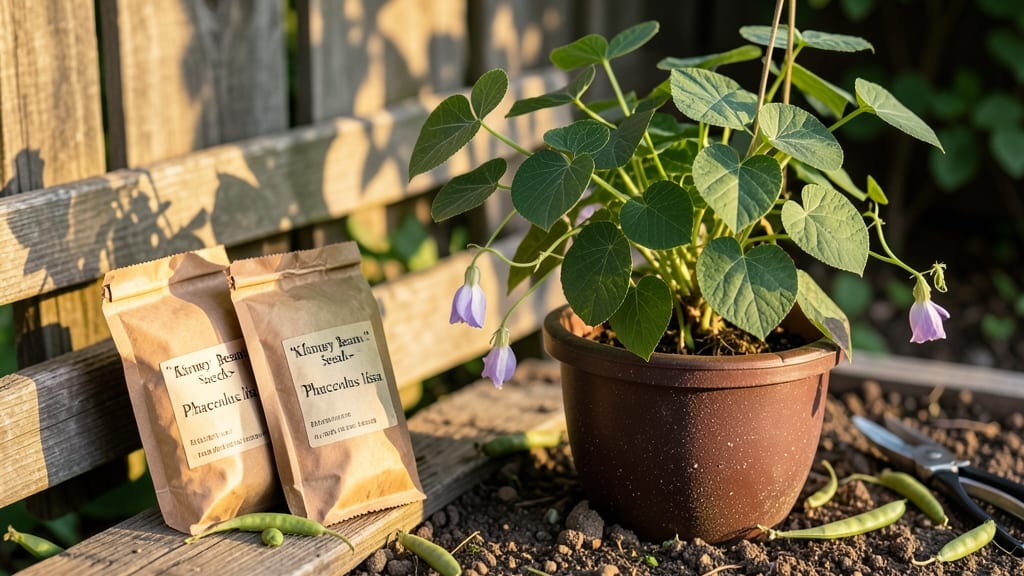
Planting kidney bean seeds gives you fast, reliable sprouts—no waiting weeks for stubborn seeds to crack open. I’ve watched mine pop through soil in just 24 hours after a quick soak, and once you try it, you’ll never go back to the old way.
The key isn’t magic; it’s timing, warmth, and a little patience while nature does the heavy lifting.
You’ll need a warm spot (indoors near a sunny window or a heated mat works best), a shallow container with drainage, and moistened paper towels or a bowl of water for the soaking step.
Kidney beans love warmth—75-85°F is ideal—and they’ll germinate fastest when kept consistently damp but not soggy. Most beginners overlook the soil temperature or crowd the seeds too close, which slows everything down.
Within days, you’ll see emergent green hooks breaking through the soil, ready to climb or bush out depending on the variety. The first true leaves appear in about 7-10 days, and with proper sunlight (6+ hours daily), your plants will grow 3-4 inches per week.
That’s the moment when the real fun begins—harvesting fresh, tender beans straight from your garden.
Works just as well in containers or in-ground beds, though containers give you better control over soil warmth. If you’re planting in cooler climates, wait until after the last frost when soil stays consistently above 60°F.
The biggest mistake? Planting too deep—keep seeds just 1-2 inches below soil level for the fastest sprouts.
📚 In This Guide
- What you need
- Instructions
- Tips and common mistakes
- Wrapping up and next steps
What you need
- ● Kidney bean seeds – 5–10 seeds (organic, non-GMO preferred for faster sprouting)
- ● Water – Enough to soak seeds (room temperature, ~2 cups)
- ● Container for soaking – A small bowl, jar, or mesh bag (with drainage holes if using a bag)
- ● Growing medium – 1–2 cups of moistened potting soil (well-draining, with perlite or vermiculite for aeration)
- ● Planting container – A 6–12" deep pot with drainage holes (or a biodegradable peat pot for transplanting later)
- ● Spray bottle – For gentle watering (avoids disturbing sprouts)
- ○ Plastic wrap or humidity dome – To retain moisture while seeds sprout (optional but speeds up germination)
- ● Trowel or spoon – For planting seeds gently (1–2" deep)
- ● Measuring cup – To ensure soil moisture (keep it damp, not soggy!)
- ○ Grow light (optional) – If indoors with low natural light (LED or fluorescent, 12+ hours/day)
- ○ Fertilizer (optional) – A light dose of balanced fertilizer (5-5-5) after sprouts emerge
- ● Notebook & pen – To track sprouting progress (because science is fun!)
Step-by-step instructions for planting kidney bean seeds
Here's how to get those first sprouts peeking through in just a single day.
Soak the Seeds Overnight
Place the kidney bean seeds in a bowl and cover them with warm water—about 2 inches deep—to ensure they're fully submerged. Let them soak for 12 hours at room temperature. The reason for this long soak is that kidney beans have a tough outer coating that slows germination. By softening it first, you'll see those first green shoots break through the soil in record time.
After soaking, drain the water completely and let the seeds sit in a colander or strainer for 10-15 minutes to dry slightly. This prevents them from sticking together when you handle them. You'll notice the seeds have swollen noticeably—this is a good sign they're ready for planting. If you skip this step, germination can take 3-5 days instead of the rapid 24-hour process we're aiming for.
Prepare the Planting Medium
Fill your 4-inch deep containers with the seed-starting mix, leaving about ½ inch of space at the top. Press the soil down lightly so it's firm but not compacted—this helps the seeds establish contact with the soil. The mix should feel like a damp sponge; if it crumbles when squeezed, add a little more water. Overwatering now can lead to soggy soil, which invites rot before the seeds even sprout.
Make a small hole in the center of each container, about 1 inch deep and ½ inch wide. This depth ensures the seeds won't be buried too deeply, which can delay germination. Tap the container gently on the table to settle the soil around the hole, creating a snug fit for the seeds. If the soil feels too dry, mist it lightly with water—just enough to moisten the hole without creating a puddle.
Plant the Soaked Seeds
Place 1-2 seeds in each hole, spacing them about ¼ inch apart. Cover them lightly with the seed-starting mix, pressing down just enough to secure them but not so much that you bury them deeper. The goal is to keep the seeds in contact with the soil while allowing the sprouts room to push through easily. If you plant too deeply, the seedlings may struggle to break through, wasting your overnight soak.
After planting, water the containers gently until the soil is evenly moist. Use a spray bottle or a small watering can with a fine rose to avoid disturbing the seeds. You'll know the moisture is right when the soil surface looks slightly damp but not glistening. Avoid watering from above once the seeds are in the ground—this prevents them from shifting or washing away.
Provide Warmth and Humidity for Germination
Cover the containers with a clear plastic dome or plastic wrap to retain warmth and humidity. Kidney beans germinate fastest at 75-85°F, so place the containers in a warm spot, like on top of the refrigerator or near a sunny window. Check the soil daily—it should remain consistently moist but not soggy. If condensation forms on the dome, lift it for 5-10 minutes to allow airflow and prevent mold.
Within 24 hours, you'll see the first signs of germination: tiny green shoots pushing through the soil. This is the moment you've been waiting for! Once the sprouts reach about 1 inch tall, remove the dome immediately to prevent damping-off, a fungal disease that can kill young seedlings overnight. Keep the containers in bright, indirect light until the seedlings are strong enough to handle direct sunlight.
Transplant and Maintain Growth
After the seedlings develop 2-3 true leaves—the second set of leaves that appear after the initial cotyledons—it's time to transplant them into larger containers or the garden. Choose a spot with full sun (at least 6-8 hours daily) and well-draining soil. Dig a hole slightly deeper than the seedling's root ball and place the plant in, firming the soil gently around the base.
Water the seedlings deeply after transplanting to help them establish roots in their new home. Mulch around the base with 1 inch of organic mulch to retain moisture and suppress weeds. You'll notice new growth within 5-7 days, signaling that the plants have taken root. Keep the soil consistently moist—especially during dry spells—but avoid overwatering, which can lead to root rot.
Tips & tricks for planting kidney bean seeds
Mastering these key techniques will help you achieve that rapid 24-hour germination we're after with kidney beans.
The Soaking Secret: That 12-hour soak is non-negotiable for kidney beans, but here's the pro move: use water that's about 85°F rather than just warm. This slightly elevated temperature accelerates the softening process of that tough outer coating. I've found that using a thermometer in your soaking water ensures consistent results—especially important if you're working in a cooler kitchen. After draining, the 10-15 minute drying period prevents clumping, but don't rush it. The seeds should feel slightly tacky but not wet when you handle them.
Planting Precision: When creating that 1-inch deep hole in Step 2, use a pencil or dowel to make the hole first—this gives you perfect depth control. The ¼-inch spacing between seeds might seem tight, but it prevents overcrowding once those sprouts emerge. I've learned the hard way that planting too deeply (more than 1.5 inches) can delay germination by days. After covering, give the soil a very gentle press with your finger—just enough to make contact with the seeds without compacting the mix.
Germination Environment: The 75-85°F range is ideal, but most homes don't maintain consistent warmth. My solution? Place your containers on top of the refrigerator (not inside) which creates a warm microclimate. The dome should create a humid environment, but check daily—condensation should form on the inside surface. If you notice water droplets forming on the outside of the dome, that means the humidity level is too high and you need to lift it for those 5-10 minutes to prevent mold. This balance is crucial for that 24-hour germination window.
Transplant Timing: Those 2-3 true leaves are your signal for transplanting, but don't wait until you see the third leaf—act at the second leaf stage. I've found that seedlings at this stage handle the transplant shock better. When moving to larger containers or garden beds, make sure to water deeply before transplanting. The roots will be fragile at this stage, so handle them like you would handle glass—gently and with care. The 1-inch organic mulch after transplanting isn't just for moisture retention; it also helps regulate soil temperature, which is especially important if you're in a cooler climate.
Pro Tips for Planting Kidney Bean Seeds
- Mastering these key techniques will help you achieve that rapid 24-hour germination we're after with kidney beans.
- The Soaking Secret: That 12-hour soak is non-negotiable for kidney beans, but here's the pro move: use water that's about 85°F rather than just warm.
- Planting Precision: When creating that 1-inch deep hole in Step 2, use a pencil or dowel to make the hole first—this gives you perfect depth control.
Frequently asked questions
Got questions about planting kidney bean seeds? You’re not alone! Here are some of the most common queries—and quick answers to help you grow like a pro.
How long do kidney bean seeds take to sprout after planting?
With proper soaking (6–12 hours), kidney bean seeds typically sprout in 5–7 days in warm, moist soil (60–85°F). If planted dry, germination can take 10–14 days. Speed up the process by planting in warmth and keeping soil consistently moist (not soggy).
Can I plant kidney bean seeds directly in the ground without soaking them first?
Yes, but soaking them first doubles your chances of fast germination. Dry seeds may take longer to sprout, especially in cooler soil. For best results, soak seeds overnight (6–12 hours) in warm water before planting. Pro tip: Use a mesh bag to avoid losing seeds!
What’s the best depth to plant kidney bean seeds?
Plant kidney bean seeds 1–2 inches deep in well-draining soil. They’re sensitive to deep planting, so avoid burying them too far—this can delay or prevent germination. Space seeds 3–4 inches apart in rows 18–24 inches apart for optimal growth.
What should I do if my kidney bean seeds aren’t sprouting?
Check these common issues:
- Cold soil: Kidney beans need warmth (60°F+). Use a heat mat or wait until soil warms.
- Dry soil: Keep soil consistently moist but not waterlogged.
- Old seeds: If seeds are >2 years old, soak them longer or test viability by crushing one—if it’s hard, it’s still good!
- Poor drainage: Amend heavy soil with compost to improve aeration.
Can I grow kidney beans in containers or just in the ground?
Kidney beans thrive in containers at least 12–18 inches deep with good drainage. Use a lightweight potting mix and place pots in a sunny spot (6+ hours of sunlight daily). Just ensure the container is large enough for their sprawling roots—trellises help save space!
Wrapping up and next steps
Growing kidney bean seeds from scratch is faster and more rewarding than you might think—with just a little patience and the right techniques, you’ll have thriving sprouts in 24 hours!
By soaking, draining, and providing the ideal conditions, you’re not just planting seeds; you’re unlocking a nutritious, eco-friendly harvest in record time. 🌱
Ready to take the next step? Once your sprouts are strong, consider transplanting them into soil or a hydroponic setup to watch them grow into full-fledged plants. Happy gardening—your future meals (and green thumb) will thank you! 🌟