Vegetables
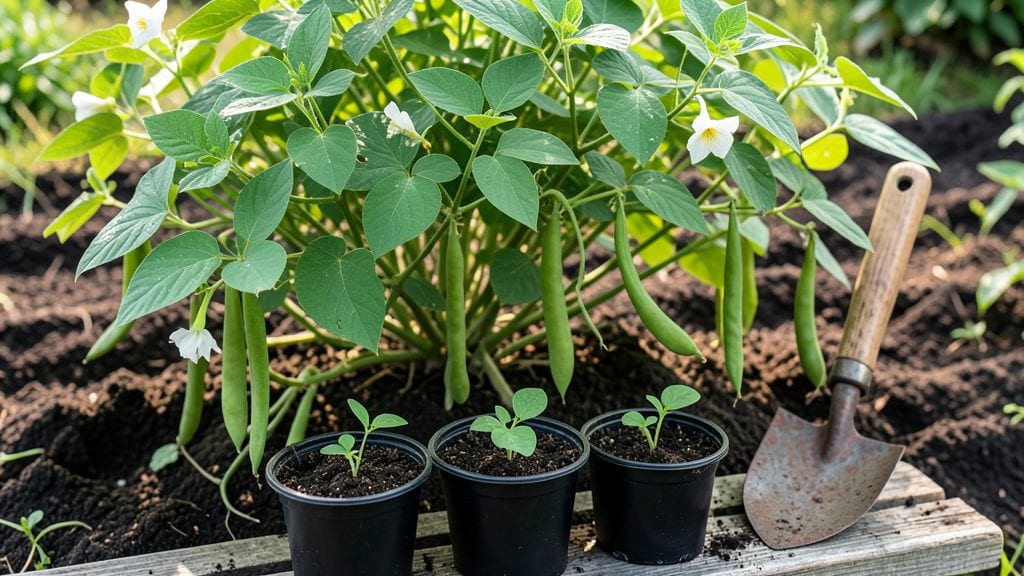
Planting butter beans is easier than you think—and they sprout in just 5-7 days, faster than most legumes—here’s how to unlock that speed and turn your patch into a green bean bonanza. 🌱 I’ve grown these for years, and the secret isn’t fancy soil or perfect timing. but a few simple tricks that make all the difference.
These beans thrive in warm soil and love the sun, but they’ll forgive mistakes better than tomatoes or peppers. The key is getting them in the ground at the right time and keeping them happy until those first tendrils appear.
Start with loose, well-draining soil mixed with a little compost—no need for anything fancy. Plant seeds 1 inch deep, spacing them 4-6 inches apart in rows that sit 18-24 inches apart.
Butter beans need full sun (6+ hours daily), but they’ll tolerate partial shade if you’re in a hot climate. Water gently after planting, then keep the soil moist but not soggy—these beans hate wet feet.
A mulch layer helps retain moisture and keeps weeds at bay, saving you time down the road.
Within 10-14 days, you’ll see those first leaves unfurling, and by mid-summer, you’ll be harvesting 3-4 inch pods every few days. The plants grow 3-5 feet tall, so a trellis or sturdy stakes will keep them upright and make harvesting easier.
The flavor? Sweet, buttery, and best picked young—this is where the name comes from. If you time it right, you could have three harvests before frost hits.
Pro tip: Plant a row of radishes or lettuce nearby—they’ll mark your bean rows and mature fast enough to harvest before the beans take over. Avoid planting near onions or garlic, though, as they stunt bean growth.
And if your soil feels too heavy? Mix in some sand or perlite to improve drainage—this one tweak can mean the difference between thriving plants and struggling ones. Ready to grow?
📚 In This Guide
- What you need
- Instructions
- Tips and common mistakes
- Wrapping up and next steps
What you need
- ● Butter bean seeds: 2–3 lbs (or ~1 lb per 100 sq ft of garden space). Opt for certified organic or heirloom varieties like ‘Butterbean’ or ‘Scarlet Runner’ for best results.
- ● Garden soil: Well-draining, fertile soil with a pH of 6.0–7.0. Mix in 2–3 inches of compost or aged manure before planting.
- ● Fertilizer: Balanced fertilizer (10-10-10): 1 tbsp per plant at planting time.
- ● Organic options: Fish emulsion or bone meal for nitrogen-rich growth.
- ● Watering can or hose: With a gentle spray nozzle for even moisture.
- ● Garden trowel or transplanter: For digging holes (1–2 inches deep).
- ● Measuring tape or ruler: To space seeds 4–6 inches apart (rows 18–24 inches apart).
- ○ Row markers or stakes: Optional but helpful for straight rows.
- ● Mulch (straw or grass clippings): 2–3 inches thick to retain moisture.
- ● Sunlight: Full sun (6–8 hours daily). Choose a south-facing spot if possible.
- ● Climate: Plant after the last frost when soil temps reach 60°F+ (butter beans thrive in warm weather!).
- ○ Support (optional): Trellis or stakes for climbing varieties like ‘Scarlet Runner’.
Step-by-step instructions for planting butter beans
Here’s how to get those fast-sprouting seeds in the ground for a harvest you’ll love.
🌱 Step 1: Choose the Perfect Planting Spot
Butter beans thrive in full sun, so pick a location that gets at least 6-8 hours of direct sunlight daily. They also need well-draining soil—if your garden holds water after rain, amend the area with 2-3 inches of compost to improve drainage. I like to test the soil by squeezing a handful: if it stays clumped in your fist, it’s too dense.
Butter beans grow best in soil with a pH between 6.0 and 7.0. If your soil is heavy clay or sandy, mix in 1-2 inches of organic matter like aged manure or leaf mold to create the ideal texture. Avoid planting where beans or peas grew last year to prevent soil-borne diseases.
💧 Step 2: Soak Seeds Overnight for Faster Germination
Butter beans germinate quickly, but soaking them first cuts that time in half. Place the seeds in a bowl of lukewarm water and let them soak for 8-12 hours. You’ll see them plump up noticeably—this softens the outer shell and speeds up sprouting.
After soaking, drain the seeds and let them sit in a damp paper towel overnight. This keeps them moist without risking rot. I like to spread them out on a tray lined with a towel so they don’t stick together. By morning, they’ll be ready to plant and should sprout in just 3-5 days—much faster than dry seeds.
🌿 Step 3: Plant Seeds at the Right Depth and Spacing
Drop the soaked seeds into the soil 1-2 inches deep, spacing them 4-6 inches apart in rows that are 18-24 inches apart. Butter beans grow bushy, so give them room to spread. If you’re planting in a container, use a pot at least 12 inches deep and 18 inches wide per plant.
Press the soil gently around each seed to ensure good contact—this helps roots anchor quickly. Water lightly after planting, but don’t soak the soil. The goal is to keep it moist but not soggy. You’ll know it’s right when the surface looks slightly damp but not glistening.
☀️ Step 4: Water and Maintain for a Bountiful Harvest
Keep the soil consistently moist but never waterlogged—beans hate soggy roots. Water deeply once a week if rainfall is light, or 2-3 times weekly in hot, dry weather. You’ll see new leaves emerge within 7-10 days, signaling strong growth.
Butter beans are drought-tolerant once established, but they produce best with steady moisture. Mulch around the base with 2-3 inches of straw or grass clippings to retain soil moisture and suppress weeds. Watch for yellowing leaves—this usually means the soil is too dry or the plants need more nutrients.
✂️ Step 5: Harvest at Peak Maturity for Best Flavor
Butter beans are ready to pick when pods are 4-6 inches long and firm to the touch. Harvest every 2-3 days to encourage more production. I like to pick in the morning when pods are crispest. Use sharp scissors or pinch the stem just above the pod to avoid damaging the plant.
If left too long, pods will toughen and lose flavor. You’ll know they’re past their prime when the seeds inside start bulging. Regular harvesting keeps plants productive for 6-8 weeks—longer than many garden beans. Store fresh pods in the fridge for up to 5 days or blanch and freeze for longer storage.
Tips & tricks for planting butter beans
Fast germination is the secret to a thriving butter bean harvest—and these pro tips will help you get there without the guesswork.
The Sunlight Secret: Butter beans need that 6-8 hours of direct sunlight daily to thrive, but don't assume your yard meets this requirement. Test your spot by observing where shadows fall at midday. If you're planting in containers, place them where they'll get morning sun and afternoon shade during peak summer heat—this prevents wilting while still giving them plenty of light.
Soaking Shortcut: The 8-12 hour soak is non-negotiable for fast germination, but here's my secret: use a mesh produce bag instead of a bowl. This keeps seeds contained while allowing water to drain freely, preventing the soggy mess that can lead to rot. I also add a pinch of sea salt to the water—it helps prevent bacterial growth during the soaking process.
Planting Precision: When dropping seeds 1-2 inches deep in Step 3, use your finger to make small holes rather than pressing seeds into compacted soil. This ensures consistent depth and better root contact. For container gardening, I like to plant 2-3 seeds per pot and thin to the strongest sprout once they emerge—this gives you a backup if one fails to germinate.
Harvest Hack: The 4-6 inch pod size is key for tender butter beans, but here's how to tell when they're truly ready: gently squeeze the pod—it should feel firm but yield slightly, like a ripe avocado. Harvesting in the morning means you're picking pods at their crispest, which translates to better flavor and texture. I also recommend using clean, sharp scissors to avoid damaging the plant's stem.
Pro Tips for Planting Butter Beans
- Fast germination is the secret to a thriving butter bean harvest—and these pro tips will help you get there without the guesswork.
- The Sunlight Secret: Butter beans need that 6-8 hours of direct sunlight daily to thrive, but don't assume your yard meets this requirement.
- Soaking Shortcut: The 8-12 hour soak is non-negotiable for fast germination, but here's my secret: use a mesh produce bag instead of a bowl.
Frequently asked questions
Got questions about growing butter beans? You’re not alone! Here are some of the most common queries—and their straightforward answers—to help you plant with confidence.
When is the best time to plant butter beans?
Butter beans thrive in warm soil, so wait until after the last frost when temperatures stay above 60°F (15°C). For most regions, this means planting in late spring to early summer. If you live in a hot climate, opt for fall planting to avoid summer heat stress.
How long does it take for butter beans to germinate?
One of the fastest-growing beans! Butter beans typically sprout in 5–10 days under ideal conditions (warm soil, consistent moisture). For faster results, soak seeds overnight before planting. Keep soil moist but not soggy to encourage quick germination.
Can I grow butter beans in containers or small spaces?
Butter beans are compact plants and do well in containers as long as the pot is at least 12–18 inches deep and wide. Use a well-draining potting mix, and provide a trellis or cage if your variety grows tall. Perfect for balconies, patios, or small gardens!
What should I do if my butter bean plants get pests like aphids or beetles?
Start with preventative care: Use row covers early to deter pests, and practice crop rotation if you’ve grown beans before. For mild infestations, spray plants with neem oil or insecticidal soap. Avoid chemical pesticides—they can harm beneficial insects and leave residues on edible pods.
Do butter beans need full sun, or can they tolerate partial shade?
Butter beans prefer 6–8 hours of direct sunlight daily for optimal growth and pod production. While they can tolerate partial shade (4–6 hours of sun), yields may be smaller. If growing in shadier spots, choose bush varieties over pole beans, as they’re more adaptable.
Wrapping up and next steps
Planting butter beans is a rewarding journey that yields delicious, fast-growing harvests with minimal fuss! 🌱 Whether you're a beginner or seasoned gardener, these nutrient-packed legumes thrive in warm climates and enrich your soil naturally.
With the right prep—sunny spots, well-draining soil, and consistent moisture—you’ll soon enjoy fresh, tender pods straight from your garden.
Ready to take the next step? Start by marking your calendar for planting (or check our FAQ for timing tips) and gather your supplies. Then, roll up your sleeves—your future meals (and happy plants!) will thank you. Happy gardening! 🌿