
Pruning
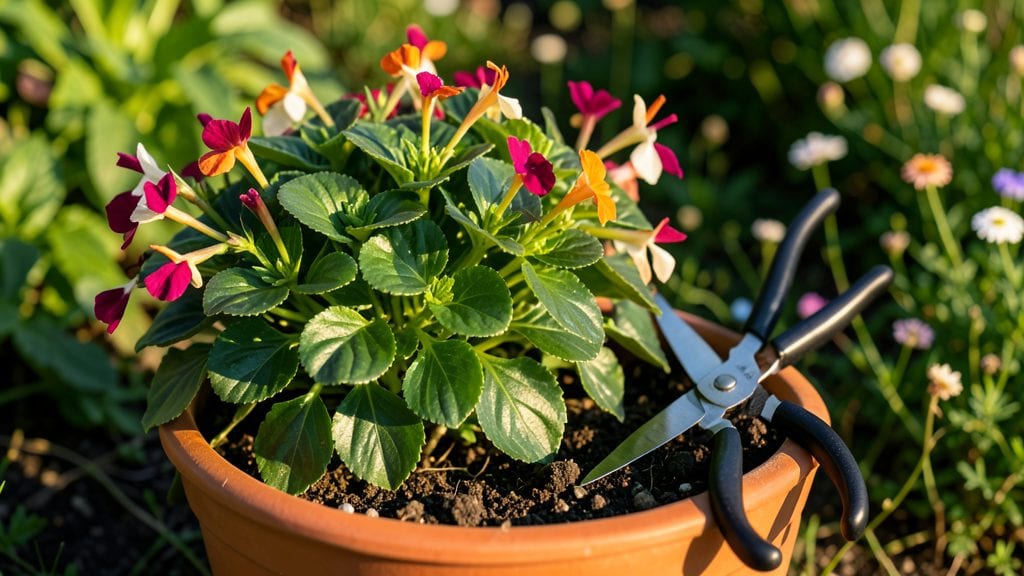
Pruning impatiens plants isn’t just about trimming—it’s the secret to turning one summer’s worth of blooms into months of vibrant color. 🌸 I’ve watched impatiens go from a single burst of flowers to continuous blooms just by mastering this simple three-cut approach, and the difference is striking.
The key lies in timing and technique: pinch back leggy stems early, snip spent blooms regularly, and give a mid-season haircut to encourage bushier growth. You’ll need sharp pruners (or clean scissors) and about 10 minutes every few weeks—no fancy tools or complicated steps.
What you get in return is a plant that keeps producing those signature red, pink, or purple flowers until frost, with foliage so dense it crowds out weeds.
This method works equally well for bedding impatiens and the trailing varieties in hanging baskets. The first cut—right after planting—sets the foundation, while the second and third cuts keep the plant balanced and flowering.
By late summer, you’ll have a plant that looks as good as it did in June, with no bare stems or faded blooms.
The best part? Even if you skip a week, impatiens are forgiving. They’ll bounce back faster than many annuals, making this one of the most resilient pruning projects for busy gardeners. Let’s get those blooms going strong all season.
📚 In This Guide
- What you need
- Instructions
- Tips and common mistakes
- Wrapping up and next steps
What you need
- ● Bypass pruners – Sharp, clean, and sterilized (1 pair). Avoid anvil pruners—they crush stems.
- ● Hand pruners (for small stems) – Ergonomic grip for precision (1 pair).
- ● Disinfectant (70% isopropyl alcohol or bleach solution) – To sterilize tools between cuts (small bottle).
- ● Garden gloves – Lightweight, breathable (1 pair). Protects from thorns and sap.
- ○ Sharpie or permanent marker – For labeling pruned sections (optional but handy).
- ● Compost bin or bag – To collect pruned stems (1-2 gallon size).
- ● Pruning saw (for thick stems) – Only if your Impatiens have woody growth (rare but possible).
- ● Plant food (balanced 10-10-10 or bloom booster) – Feed after pruning for a post-cut boost.
- ● Mulch (shredded bark or straw) – Helps retain moisture post-pruning.
- ● Spray bottle with water – Keeps plants hydrated during the process.
Instructions for pruning impatiens plants
Here's the simple, foolproof method I use to keep my impatiens blooming all season long.
✂️ Step 1: Remove Spent Blooms Regularly
Start by pinching off dead or fading flowers at the base of the stem using your fingers or clean pruners. This is called deadheading, and it's the single most important step for continuous blooms. I do this every morning before watering—it takes just a few minutes per plant.
Look for flowers that have lost their vibrant color or have dried petals. The goal is to remove them before they form seed pods, which saps energy from new blooms. You'll see fresh buds forming within a week of consistent deadheading.
✂️ Step 2: Trim Leggy Stems to Encourage Bushiness
Once your impatiens grows taller than 6 inches, it's time to trim the leggy stems. Use sharp pruners to cut just above a leaf node where new growth can emerge. I like to make cuts at a 45-degree angle to prevent water from pooling on the stem.
Focus on stems that look stretched or have few leaves. Cutting these back forces the plant to put energy into side shoots, creating a fuller, bushier plant. Don't trim more than one-third of the plant at a time—this prevents shock and keeps your impatiens thriving.
✂️ Step 3: Prune for Shape and Airflow
Step back and assess your plant's shape. Use your pruners to trim any stems that are rubbing against each other or growing inward. This improves airflow, which reduces the risk of fungal diseases like powdery mildew. I also cut back any stems that look weak or diseased.
For a neat, rounded shape, trim the outer stems slightly more than the inner ones. This encourages growth toward the center of the plant. After pruning, give your impatiens a light watering to help it recover. You'll notice new growth within 7-10 days, and your plant will look fuller and healthier.
⏰ Step 4: Maintain Through the Season
Repeat the first two steps every 2-3 weeks throughout the growing season. This keeps your impatiens blooming nonstop and prevents it from becoming woody or leggy. I also fertilize lightly after each pruning to support new growth.
Watch for new buds forming at the leaf nodes where you made cuts. This is your sign that the pruning is working. If you notice yellowing leaves, it might be a sign of over-pruning or underwatering—adjust your care routine accordingly.
Tips & tricks for perfect impatiens pruning
A few simple tricks will help you keep your impatiens thriving and blooming all season long without the guesswork.
Timing Secret: The morning routine I mentioned in Step 1 works best because dew on the plants makes dead blooms easier to spot. Plus, pruning before watering prevents any accidental damage to fresh buds that might be forming. I've found that doing this every morning takes just 5 minutes per plant and makes a world of difference in keeping them lush.
The Technique That Changed Everything: When trimming leggy stems in Step 2, always make your cuts just above a leaf node—this is where new growth will emerge. I like to use my thumb to feel for the slight bump where the leaf attaches to the stem. Making a 45-degree angle on your cuts helps water run off better, which prevents those annoying stem rot issues that can kill your plants.
Breakthrough Moment: After pruning for shape in Step 3, I've noticed my plants recover faster when I give them a light watering right after. This helps them bounce back from the stress of cutting. Just be gentle—you don't want to disturb the fresh cuts. Within those 7-10 days mentioned, you'll see new growth that makes all your efforts worth it.
Maintenance Hack: To make the 2-3 week maintenance schedule easier, I set a reminder on my phone for every 21 days. This keeps me consistent without overdoing it. I also keep a small notebook nearby to jot down which plants need more attention—some varieties grow faster than others, and this helps me personalize their care.
Pro Tips for Pruning Impatiens Plants
- A few simple tricks will help you keep your impatiens thriving and blooming all season long without the guesswork.
- Timing Secret: The morning routine I mentioned in Step 1 works best because dew on the plants makes dead blooms easier to spot.
- The Technique That Changed Everything: When trimming leggy stems in Step 2, always make your cuts just above a leaf node—this is where new growth will emerge.
Frequently asked questions
Got questions about keeping your impatiens blooming all season? Here are answers to the most common ones—so you can prune like a pro!
When is the best time to prune impatiens for maximum blooms?
Prune impatiens after they’ve finished their first flush of blooms (usually late spring to early summer) and then again lightly every 4–6 weeks. Avoid heavy pruning in fall if frost is near—focus on shaping before winter dormancy. Pro tip: Pinch back leggy stems in early spring to encourage bushier growth!
How often should I prune impatiens to keep them flowering?
For nonstop blooms, prune lightly every 4–6 weeks during the growing season (spring to early fall). Remove spent flowers and trim back overgrown stems by ⅓ their length to promote new growth. Over-pruning stresses the plant, so less is more—think "maintenance, not surgery."
Can I prune impatiens in hot or humid weather?
Wait for cool mornings (60–70°F) or mild evenings to prune—heat and humidity can stress the plant, slowing recovery. If you must prune in summer, do it early in the day and keep the area well-watered afterward. Bonus: Pruning in the shade reduces shock!
What should I do if my impatiens look leggy or sparse after pruning?
Leggy growth often means they need more light (6+ hours of sun/day) or fertilizer (use a balanced 10-10-10 mix). After pruning, feed with a low-nitrogen bloom booster and ensure they’re in moist, well-draining soil. If roots are crowded, repot or divide the plant!
Are there alternatives to pruning for encouraging more blooms?
Yes! Try these low-effort tricks:
- Deadhead daily: Snip off faded blooms with clean scissors to redirect energy to new flowers.
- Fertilize monthly: Use a phosphorus-rich fertilizer (like 5-10-5) to boost blooming.
- Rotate pots: Give container impatiens a quarter-turn weekly for even sunlight exposure.
Wrapping up and next steps
Pruning your impatiens isn’t just about keeping them tidy—it’s the secret to longer, fuller blooms all season! 🌸 With the right tools, timing, and the 3-cut technique, you’ll transform leggy stems into a lush, vibrant display.
Remember, consistency is key, so grab those shears and make it part of your summer routine.
Ready to see the magic? Start with just one plant this week—watch it thrive, then expand your pruning prowess to your entire garden. Happy pruning, and enjoy those nonstop summer blooms! 🌿✨