
Pests
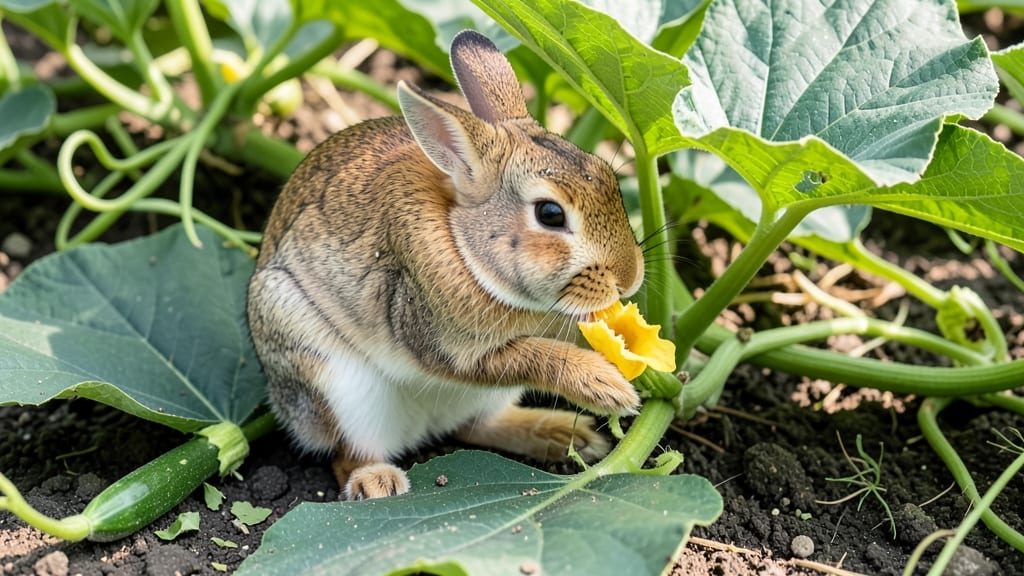
Rabbits do eat squash plants, targeting leaves, stems, and young shoots with their sharp front teeth. Their browsing habits can devastate squash vines if unchecked, especially in gardens where natural predators are absent.
Rabbits are particularly drawn to squash because the tender leaves and stems offer easy nutrition, especially when other food sources are scarce. 🌱 Their preference for young growth means they can strip a vine bare in just a few nights, leaving your garden vulnerable.
Unlike deer, which might leave some plants alone, rabbits will often return to the same area repeatedly, making early intervention crucial for protecting your harvest.
Gardeners often underestimate how quickly rabbits can decimate a squash patch—what starts as a few nibbled leaves can turn into total destruction if left unchecked. The key is understanding their feeding patterns and acting before they establish a pattern in your garden.
💡 In This Article
- Why Rabbits Target Squash Plants in Gardens
- Effective Rabbit-Proofing Strategies for Squash Gardens
Why rabbits target squash plants in gardens
Here's what's actually happening when rabbits zero in on your squash: these plants contain high moisture content (up to 90% in young leaves) and soft, nitrogen-rich tissue that's perfect for their digestive systems.
Rabbits are herbivores with specialized teeth designed for stripping plant material, and squash leaves provide an ideal balance of water, fiber, and nutrients without requiring much chewing. The tender new growth is particularly appealing because it's easier to digest than mature stems or fruit.
What most people don't realize is that rabbits have a seasonal feeding preference that aligns perfectly with squash growing seasons. During spring and summer when squash plants are most vulnerable (typically May through August in most climates), rabbits are also in peak breeding condition and need extra protein.
Young squash leaves contain approximately 20-25% protein by dry weight—far higher than mature leaves—which makes them a prime food source. The high water content also helps rabbits stay hydrated, reducing their need to seek water sources.
The science behind this involves their digestive physiology. Rabbits have a specialized cecum (a pouch in their digestive tract) that ferments fibrous plant material, but they thrive on high-moisture, low-fiber foods during growth phases.
Squash leaves fit this profile perfectly, while mature squash fruits (with their tough skins and fibrous interiors) are much less appealing. This is why you'll often see rabbits completely strip leaves while leaving the fruit itself untouched—it's not about what they like, but what their bodies can efficiently process.
Another critical factor is the lack of natural deterrents in most home gardens. In the wild, rabbits face predators like foxes, coyotes, and birds of prey that keep their populations in check. But in suburban gardens, these predators are often absent, giving rabbits free rein to browse.
Squash plants also lack the bitter compounds or thorns that many wild plants develop as defenses against herbivores. Without these natural barriers, your garden becomes an all-you-can-eat buffet for hungry rabbits.
Consider these key behavioral patterns that make squash such tempting targets:
- Crepuscular feeding: Rabbits are most active at dawn and dusk (their "golden hours" for foraging), which is when gardeners are least likely to notice the damage.
- Territorial marking: They use their scent glands to mark frequently visited areas, which can create "high-traffic" browsing zones in your garden.
- Selective grazing: They'll often start with the most tender, youngest leaves first, working their way outward as the plant matures.
The irony is that rabbits actually prefer the leaves over the fruit itself. While squash blossoms and young fruit contain some sugars, the leaves provide a more complete nutritional package for growing rabbits.
This selective feeding pattern means you might see your squash plants looking ragged while the fruit remains intact—until the rabbits move on to easier targets or the plant becomes too mature for them to digest efficiently.
Understanding this behavior is your first line of defense. Once you recognize that rabbits are targeting your squash for its nutritional profile rather than just convenience, you can implement strategies that disrupt their feeding patterns before they establish a routine in your garden. 🌿