
Pests
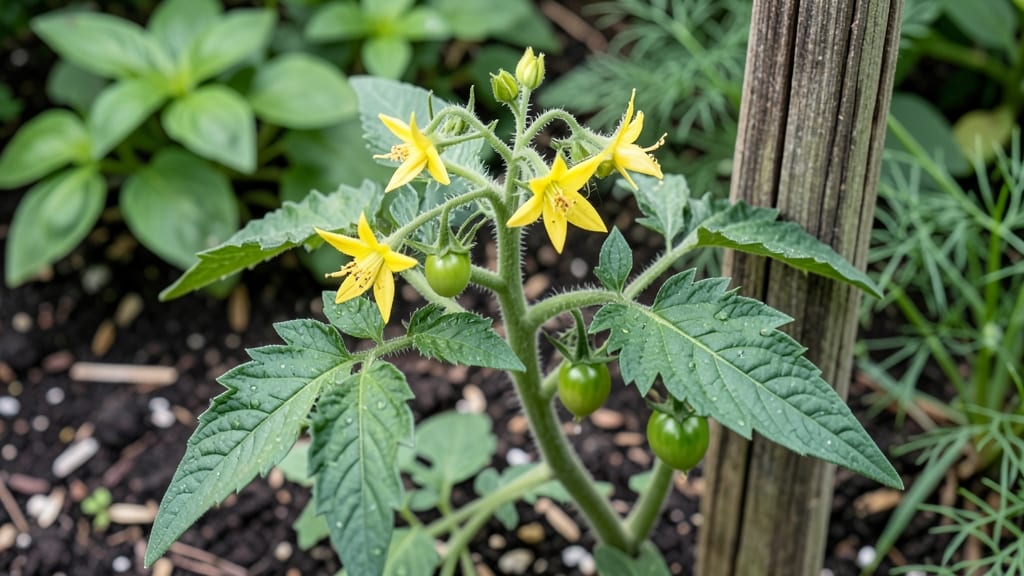
Rabbits don't like tomato plants—they steer clear because of the plants' pungent aroma and natural toxins like solanine, which act as a built-in deterrent. While mature plants usually stay safe, tender young shoots might still get nibbled until they fully develop.
Tomato plants have evolved clever defenses that make them unappealing to rabbits.
The solanine in leaves and stems creates a bitter taste that rabbits instinctively avoid, while the strong foliage scent acts as a warning signal. 🌱 Interestingly, this same chemical protection also makes tomatoes toxic to humans if consumed in large quantities—though cooking neutralizes it. The good news?
Once your tomato plants mature, their natural defenses become even stronger, making them far less tempting to hungry rabbits.
For gardeners, this means you can focus on protecting young seedlings rather than worrying about fully grown plants. The key is giving those early stages the extra care they need to develop their natural repellents.
Companion planting with strong-smelling herbs like basil or garlic can also help create a protective barrier around your tomatoes.
💡 In This Article
- Why Rabbits Avoid Tomato Plants Naturally
- Protecting Tomato Plants from Rabbit Damage
Why rabbits avoid tomato plants naturally
Tomato plants deploy a sophisticated chemical defense system that makes them unpalatable to rabbits. The primary culprit is solanine, a glycoalkaloid toxin concentrated in the leaves and stems. This compound creates an intensely bitter taste that rabbits instinctively reject—similar to how humans avoid bitter foods.
Solanine levels peak in green parts and decrease as tomatoes ripen, but the plant maintains enough protection to deter herbivores throughout its lifecycle. 🌿
Beyond solanine, tomato plants produce other alkaloids like tomatine, which disrupts cellular membranes in animal digestive systems. These compounds work together to create a multi-layered defense: the strong, pungent aroma warns rabbits of the plant's toxicity, while the bitter taste confirms their instincts.
For comparison, marigolds use similar chemical defenses with pyrethrins, while garlic relies on allicin—both creating unpleasant flavors that rabbits avoid.
The maturity of tomato plants plays a crucial role in their palatability. Young seedlings contain higher concentrations of these defensive chemicals as they prioritize survival over fruit production. As plants mature, energy shifts toward fruit development, slightly reducing toxin levels in leaves—but the overall protection remains effective.
This is why gardeners often see rabbit damage only on tender new growth, not established plants. 🌱
Interestingly, tomato plants also deploy a physical defense: their coarse, hairy leaves create an unappealing texture for rabbits. This dual approach—chemical repellents combined with physical deterrents—makes tomatoes one of nature's most effective self-protecting plants.
The same mechanisms that deter rabbits also explain why deer and other large herbivores typically avoid tomato gardens unless desperate for food.
To put this in perspective, consider that rabbits prefer plants like clover, lettuce, or dandelions—all of which lack these chemical defenses. The contrast highlights how tomato plants have evolved specialized adaptations to thrive in environments where herbivores are abundant.
This natural resistance means gardeners can often rely on the plant's own defenses once established, though young plants still need protection during their vulnerable early stages. 💪