
Companion Plants
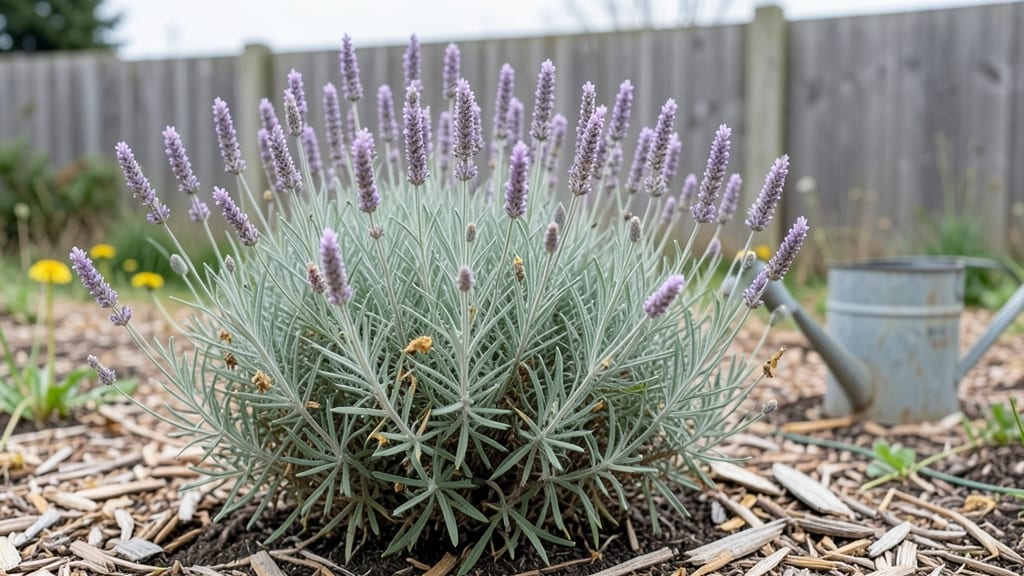
Alkaline-loving plants aren't just surviving—they're flourishing in soil where most gardens fail. 🌿 I learned this the hard way after my lavender turned brown and my lilacs refused to bloom, despite my best efforts.
The key isn't forcing plants into the wrong soil; it's choosing the right ones for your natural pH.
These plants thrive in soil with a pH of 7.0 or higher, where many gardeners struggle. You don't need fancy equipment—just a simple pH test kit, a few amendments like crushed limestone, and the right plant selections.
My garden now includes lavender, rosemary, and even some native grasses that love alkaline conditions.
What you'll get is lush, vibrant growth where others see struggle. The lavender stays purple all season, the rosemary stays fragrant, and the lilacs produce clouds of scent. The secret is matching plants to your soil's natural chemistry, not fighting it.
Works for any garden with slightly alkaline soil, from desert landscapes to northern gardens with limestone bedrock. Let's get those plants growing where others won't.
📚 In This Guide
- What you need
- Instructions
- Tips and common mistakes
- Wrapping up and next steps
What you need
- ● Alkaline soil or pH-adjusted growing medium: 1 bag (20-30 lbs) lime (calcium carbonate) or wood ash (for raising pH naturally)
- ● 1 bag (20-30 lbs) garden soil with a pH of 7.0+ (or cactus/succulent mix for desert-loving plants)
- ● Alkaline-loving plant seedlings or seeds: 2-5 plants (e.g., lavender, rosemary, Russian sage, or Sedum species)
- ● pH testing kit: Digital or liquid test kit (e.g., LaMotte or API)
- ● Garden tools: 1 trowel (for transplanting)
- ● 1 pair of gardening gloves
- ● 1 watering can (with a fine rose for gentle watering)
- ● Compost or organic matter: 1 bag (10-15 lbs) to improve soil structure without altering pH drastically
- ● Slow-release fertilizer (alkaline-friendly): 1 lb (e.g., 10-10-10 or fish emulsion)
- ● Mulch (gravel or crushed stone): To prevent pH drops from organic decomposition
- ● Self-watering planters: For container gardening (e.g., fabric grow bags or ceramic pots)
How to grow alkaline-loving plants in your garden
These plants thrive when soil pH is 7.0 or higher—here’s how to create the perfect conditions.
🌱 Step 1: Test and Adjust Your Soil pH
First, test your soil’s pH using a soil test kit to confirm it’s 7.0 or above. If it’s lower, amend it with wood ash (sprinkle ½ cup per square foot) or crushed limestone (apply 5 pounds per 100 square feet). Mix these into the top 6 inches of soil and water thoroughly. I like to test again after a few weeks—this ensures the pH is stable before planting.
For container gardens, use cactus/succulent mix (already alkaline-friendly) and add crushed eggshells (½ cup per gallon of soil) for extra calcium. Avoid compost high in organic matter, which can lower pH over time. Alkaline-loving plants like lavender, rosemary, and snapdragons will reward you with vibrant growth once the pH is right.
☀️ Step 2: Choose the Right Plants for Your Climate
Select plants that naturally thrive in alkaline conditions, such as lavender, rosemary, snapdragons, lilacs, and Russian sage. These varieties not only tolerate but prefer soil with a pH of 7.0 or higher. Check your local nursery for alkaline-tolerant options—some regions naturally have alkaline soil, making this step easier.
If you’re unsure, opt for perennials like lavender or shrubs like lilac—they’re hardy and less finicky about soil changes. Avoid acid-loving plants (like azaleas or blueberries) in the same beds, as they’ll compete for nutrients and pH balance. I always group alkaline lovers together for simplicity.
💧 Step 3: Water and Fertilize for Alkaline Success
Water these plants deeply but infrequently—alkaline soil drains faster, so 1 inch per week (or less in dry climates) is ideal. Use rainwater or distilled water if your tap water is heavily treated, as chlorine can slightly acidify soil over time. Mulch with gravel or crushed stone (instead of organic mulch) to maintain pH levels and reduce weed competition.
Feed with a low-nitrogen, balanced fertilizer (like 10-10-10) every 6-8 weeks during growing season. Avoid high-acid fertilizers, which can shift the pH downward. I swear by fish emulsion for a gentle nutrient boost—it won’t disrupt the alkaline balance. Watch for yellowing leaves; if they appear, it’s often a sign of overwatering or nutrient imbalance, not pH.
✂️ Step 4: Maintain Soil and Monitor Growth
Prune plants after flowering to encourage bushier growth, but avoid heavy trimming—alkaline-loving plants like lavender and rosemary can be sensitive to aggressive cuts. Remove spent blooms regularly to prevent seed production, which can weaken the plant. I deadhead snapdragons weekly to keep them flowering all season.
Retest soil pH annually, especially if you notice stunted growth or pale foliage. If pH drops below 7.0, reapply wood ash or limestone as needed. Alkaline plants often show stress by developing yellow leaves or weak stems—this is your cue to check pH and watering habits. With the right care, these plants will thrive and bring bold colors to your garden.
Tips & tricks for perfect alkaline-loving plant growth
Creating the ideal environment for alkaline-loving plants starts with these key strategies that'll help you avoid common pitfalls and maximize their potential.
Soil Testing Timing: Don't rush the pH adjustment process in Step 1. After amending with wood ash or crushed limestone, wait at least 3-4 weeks before retesting—this gives the amendments time to fully integrate into the soil. I've seen people retest too soon and think the pH isn't changing, only to discover it stabilized later. The 6-inch soil depth mentioned is critical because that's where most root activity occurs for these plants.
Container Garden Hack: For container gardens, I've found that mixing ½ cup crushed eggshells directly into the cactus/succulent mix creates tiny calcium reservoirs that slowly dissolve, maintaining that alkaline balance. The key is to crush them finely—think powdery rather than chunky—for even distribution. This works especially well for lavender and rosemary, which are heavy feeders in containers.
Watering Wisdom: The 1-inch-per-week guideline in Step 3 is perfect for most climates, but adjust for your local conditions. In dry areas, you might need less frequent but deeper watering—aim for 2 inches every 2 weeks instead. The gravel mulch recommendation is a game-changer: it not only maintains pH but also reflects sunlight away from roots, preventing overheating in alkaline soil which can be more prone to temperature swings.
Fertilizer Frequency: When applying that 10-10-10 fertilizer every 6-8 weeks, split the dose into two lighter applications rather than one heavy one. This prevents nutrient overload which can actually lower soil pH over time. I've noticed alkaline plants show stress more quickly with over-fertilization—watch for crispy leaf edges as an early warning sign.
Pro Tips for Alkaline Loving Plants
- Creating the ideal environment for alkaline-loving plants starts with these key strategies that'll help you avoid common pitfalls and maximize their potential.
- Soil Testing Timing: Don't rush the pH adjustment process in Step 1.
- Container Garden Hack: For container gardens, I've found that mixing ½ cup crushed eggshells directly into the cactus/succulent mix creates tiny calcium reservoirs that slowly dissolve, maintaining that alkaline balance.
Frequently asked questions
Got questions about alkaline-loving plants?
Here are some of the most common ones—plus straightforward answers to help you grow with confidence!
What are some easy-to-grow alkaline-loving plants for beginners?
Start with hardy favorites like lavender, rosemary, and Russian sage—they thrive in alkaline soil and need minimal fuss. For veggies, try Swiss chard, kale, or asparagus. Succulents like sedum or hens-and-chicks are also great low-maintenance picks!
How do I know if my soil is too alkaline for my plants?
Test your soil’s pH with a home kit (cheap and easy!) or send a sample to a local extension office. Signs of over-alkaline soil include yellowing leaves (chlorosis), stunted growth, or poor flowering. If pH is above 8.0, amend with sulfur or peat moss to lower it gradually.
Can I grow alkaline-loving plants in containers?
Use a well-draining potting mix with added lime or crushed eggshells to boost alkalinity. Containers dry out faster, so water regularly and monitor pH every few months. Dwarf varieties (like mini lavender) work perfectly for small spaces!
Do alkaline-loving plants need special watering?
Not necessarily! Water with rainwater or tap water (unless your area has extremely hard water). Avoid overwatering—alkaline soils drain slowly, so let the top inch dry out between waterings. If your water is very alkaline (pH >8.5), dilute it with distilled water to prevent buildup.
What’s the best way to lower soil pH if my plants struggle?
Add organic matter like compost or pine needles to buffer pH naturally. For faster results, mix in elemental sulfur (follow package rates) or use peat moss. Avoid quick fixes like vinegar—it can harm plants by disrupting nutrient balance. Test soil again in 2–3 months to track changes!
Wrapping up and next steps
Discovering the world of alkaline-loving plants opens up a vibrant garden full of resilient, thriving greenery—even in soils with a pH of 7.0 or higher! 🌿 From hardy shrubs like lavender to striking succulents such as agave, these plants aren’t just survivors; they’re showstoppers that bring color, texture, and life to your landscape.
With the right soil amendments, companion pairings, and care, you’re well on your way to creating a stunning, low-maintenance garden that’s perfectly balanced for alkaline conditions.
Ready to take the next step? Start small—pick one or two alkaline-loving plants to test in your garden, monitor their progress, and gradually expand your collection. Happy gardening, and may your soil always be sweet! 🌱✨