
Pests and Diseases
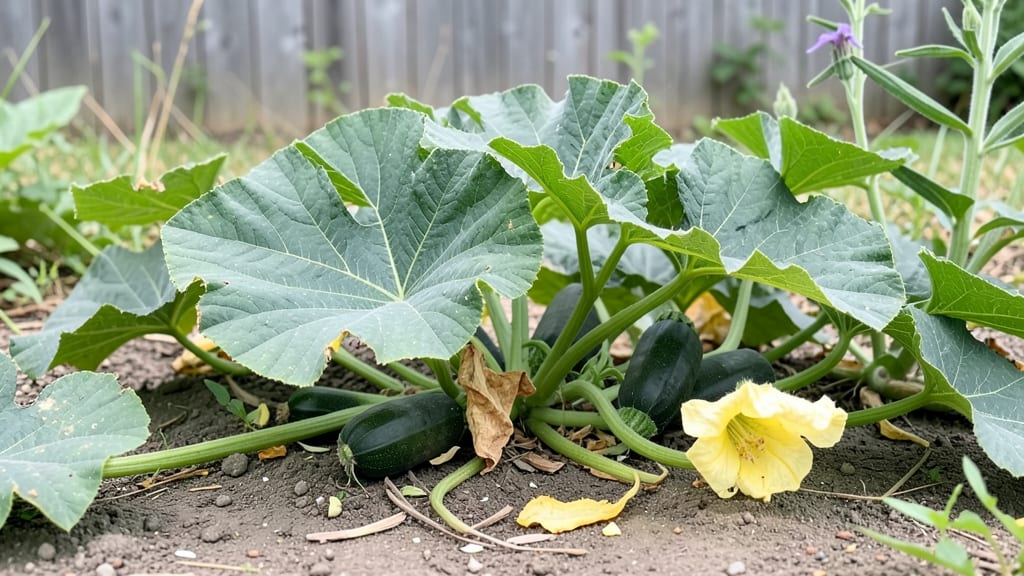
You can plant squash and okra together safely, as they thrive under similar conditions without nutrient competition. However, watch for shared pest risks like squash bugs or aphids, which may require extra monitoring and preventive care.
These two plants actually make excellent neighbors in the garden. Squash spreads low to the ground while okra grows tall, so they don't shade each other out. 🌱 Okra's deep roots also help break up compacted soil, creating better conditions for squash vines.
The key is spacing them at least 3-4 feet apart to prevent overcrowding and ensure proper airflow, which reduces disease risks.
I've found that planting okra on the north side of squash helps protect the squash from too much direct sun while still allowing both plants to reach their full potential.
One common concern is pest attraction—both plants can draw squash bugs and aphids, so regular inspections are a must. Using neem oil or companion plants like marigolds nearby can help deter these pests naturally.
The good news is that their complementary growth habits mean you can maximize your garden space while minimizing competition for resources.
💡 In This Article
- Companion Planting Science: Why Squash and Okra Thrive Near Each Other
- Practical Tips for Growing Squash and Okra Side by Side
Companion planting science: why squash and okra thrive near each other
Here's what's actually happening beneath the soil: squash and okra have complementary root systems that minimize competition. Squash vines develop shallow, sprawling roots that spread horizontally within the top 6-12 inches of soil, while okra sends deep taproots down 3-4 feet or more.
This vertical separation means they access different water and nutrient zones—okra's deep roots pull up minerals like phosphorus and potassium from lower layers, while squash absorbs nitrogen and other nutrients from the upper soil. 🌱
Their growth habits also create a natural microclimate advantage. Okra's tall, upright structure (reaching 4-6 feet) provides shade for squash vines during peak afternoon sun, reducing water loss through transpiration. Meanwhile, squash's broad leaves create a living mulch that retains soil moisture and suppresses weeds around okra's base.
Both plants thrive in similar pH ranges (6.0-7.0), though okra shows slightly more tolerance for slightly alkaline soils up to 7.5.
What most people don't realize is the pest deterrent synergy between these plants. Okra's rough, fibrous leaves contain compounds that repel certain insects, including squash bugs—a common enemy of both crops. Studies show okra's foliage emits volatile organic compounds that disrupt aphid feeding patterns, though neither plant is completely resistant.
The key is their shared vulnerability to specific pests creates an early warning system: if you spot aphids on okra, check your squash immediately. 💛
Nutrient-wise, their needs align perfectly. Both are heavy feeders but respond well to compost-rich soils with balanced NPK ratios (10-10-10 or similar). Squash benefits from okra's ability to fix nitrogen through its extensive root system, while okra gains from squash's surface mulch that maintains even soil temperatures.
The only exception is when planting in containers, where their differing root depths become a challenge—okra's deep needs would quickly outgrow most standard pots.
Seasonally, they also sync beautifully. Both prefer warm weather (minimum 70°F soil temps) and can be planted together after the last frost date. Okra's quick growth (60-65 days to harvest) means it often finishes before squash's 75-90 days, preventing overcrowding.
This staggered maturity creates a natural succession planting effect in your garden layout. ✨
Their companion planting success boils down to one principle: complementary resource utilization. Where one plant excels in depth, the other dominates in width; where one needs shade, the other provides it.
This botanical teamwork explains why gardeners in warm climates (Zones 7-10) often pair them without issues—nature's own space-efficient design. 🌿