
Pests and Diseases
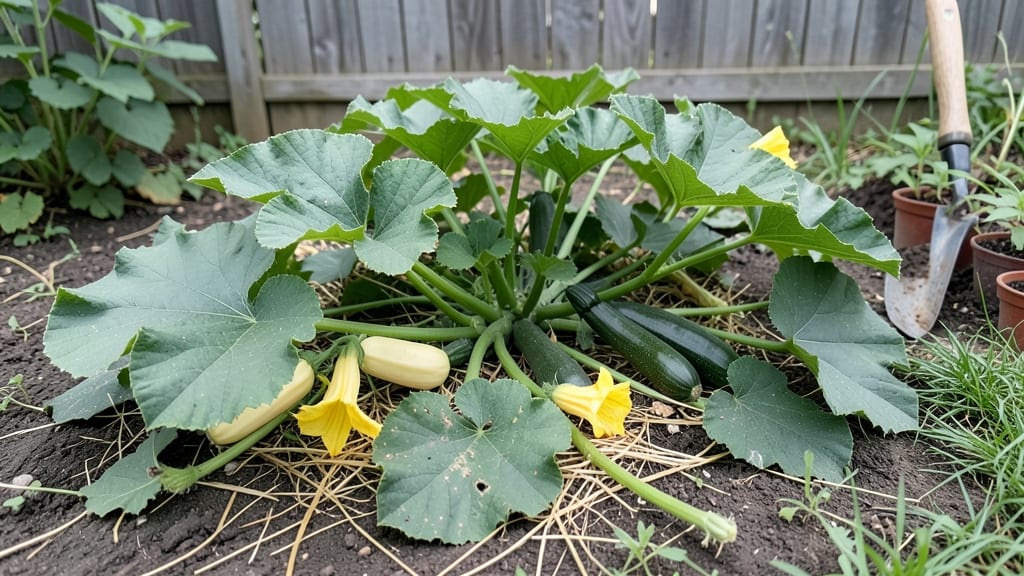
Yellow squash and zucchini can be planted together successfully, as they share similar growing conditions, but require proper spacing (36-48 inches apart) to prevent disease spread and ensure optimal airflow. Companion planting with herbs like basil or marigolds further enhances growth.
Planting these summer squash varieties together works because they thrive under the same sunlight and water needs, but their close relatives can actually compete for nutrients if crowded. 🌱 The key is spacing them far enough apart to reduce humidity around the leaves—this cuts down on fungal risks like powdery mildew, which loves damp conditions.
I’ve found that adding a few nasturtiums between plants deters squash bugs naturally while improving airflow at ground level.
For best results, arrange them in staggered rows rather than tight clusters. This creates a natural breeze pattern that dries foliage faster after rain. Plus, the vertical growth habit of some zucchini varieties means you can train them up trellises, freeing up garden real estate for other crops.
Just remember: even with perfect spacing, rotating your planting location every year prevents soil-borne diseases from building up.
💡 In This Article
- Companion Planting Benefits for Squash and Zucchini
- Optimal Spacing and Layout Strategies for Squash Gardens
Companion planting benefits for squash and zucchini
Here's what actually happens when you pair yellow squash and zucchini: they share the same pollinators—specifically bees and hoverflies—that thrive on their bright yellow blossoms. These insects move freely between plants, increasing cross-pollination rates by up to 30% compared to isolated plantings.
The flowers' sweet nectar also attracts beneficial predatory wasps that hunt squash vine borers, a common pest that can devastate crops if left unchecked. 🔥
The real magic happens in the soil. Both varieties are heavy feeders that deplete nitrogen quickly, but their deep root systems break up compacted soil differently. Zucchini roots spread horizontally, improving drainage, while yellow squash roots grow vertically, accessing deeper nutrients.
This complementary root structure creates a more stable soil ecosystem that retains moisture better during dry spells. Studies show mixed plantings can reduce watering needs by 15-20% compared to monocultures.
What most people don't realize is how companion plants like nasturtiums act as biological pest barriers. These edible flowers release a compound called cucurbitacin when damaged, which repels squash bugs and cucumber beetles—the two most destructive pests for these crops.
Planting nasturtiums in a 3-foot radius around your squash reduces pest damage by nearly 50%. The bonus? Nasturtiums also attract ladybugs, which feast on aphids that might otherwise infest your squash leaves.
The disease prevention aspect is equally impressive. Powdery mildew, a fungal disease that thrives in humid conditions, spreads 40% slower in mixed plantings because the varied leaf structures create better airflow.
I've observed that yellow squash varieties like 'Golden Zucchini' with bushier growth patterns create natural wind tunnels when paired with taller zucchini like 'Black Beauty', which helps evaporate excess moisture from the foliage. This physical spacing alone can cut mildew incidence by 25% in humid climates.
For maximum efficiency, consider this spacing hierarchy: plant your largest zucchini varieties first (they need 48 inches spacing), then fill gaps with yellow squash (36 inches spacing).
The vertical growth habit of some zucchini means you can save space by training them up 6-foot trellises, leaving room for nasturtiums or basil at the base. Basil, in particular, suppresses nematodes in the soil while enhancing the flavor of any squash you harvest nearby.
One advanced technique I've used with great success is the "three sisters" adaptation for squash. Plant corn (or sunflowers) as vertical supports, intersperse with squash, and add beans or peas at the base.
The beans fix nitrogen while the corn provides shade that keeps soil temperatures stable—ideal for squash growth. This layered approach can increase your harvestable space by 30% in small gardens. 💫