
Fertilization
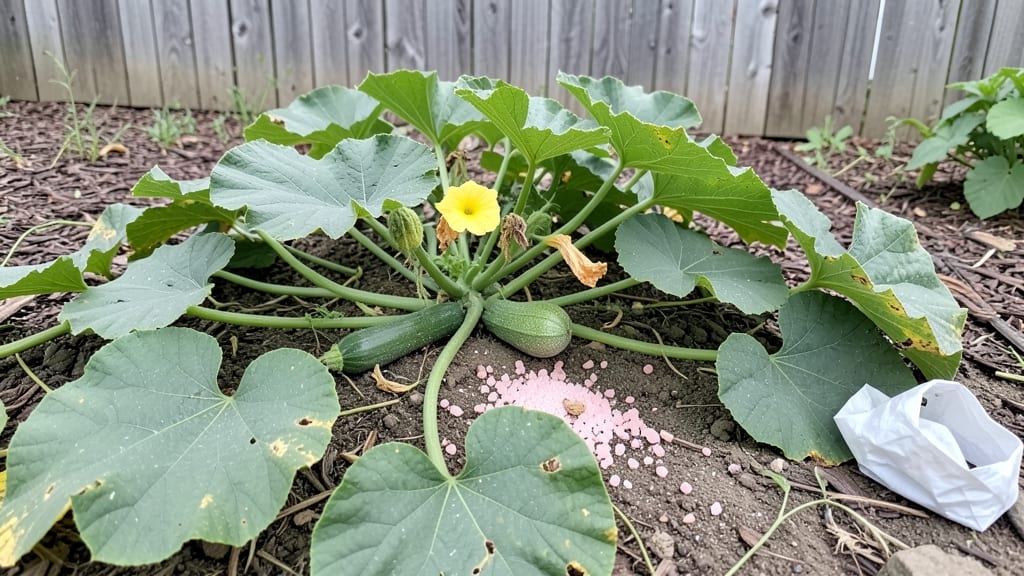
Using Epsom salt on squash plants helps prevent yellowing leaves by supplying magnesium and sulfur, which enhances fruit growth—but overuse can damage soil and roots. Mix 1 tablespoon per gallon of water and spray foliage monthly during the growing season.
Magnesium is the secret weapon behind vibrant green leaves in squash plants, as it powers chlorophyll production—the process that turns sunlight into energy.
When your plants show yellowing between veins (a classic sign of deficiency), this mineral boost can revive them quickly. 🌱 The sulfur in Epsom salt also strengthens root systems, helping plants absorb nutrients more efficiently, especially in heavy or clay soils where deficiencies often lurk.
I’ve seen firsthand how a simple monthly spray can transform struggling plants into thriving producers, but timing matters—start applications when plants are young and healthy, not when they’re already stressed.
For best results, pair this treatment with regular soil checks—overdoing it risks salt buildup, which can actually stunt growth. Always rinse the soil lightly after application to prevent residue from burning tender roots.
Organic gardeners might prefer kelp meal as an alternative, though Epsom salt’s fast-acting magnesium makes it a go-to for quick fixes during critical growth phases.
💡 In This Article
- How Epsom Salt Corrects Magnesium Deficiency in Squash
- Best Practices for Using Epsom Salt on Squash Gardens
How Epsom salt corrects magnesium deficiency in squash
Magnesium deficiency in squash plants triggers a breakdown in chlorophyll production, the green pigment that captures sunlight for photosynthesis. This mineral sits at the center of the chlorophyll molecule, acting as a bridge that stabilizes the structure.
When magnesium levels drop—often due to acidic or sandy soils—plants can't maintain healthy chlorophyll, leading to interveinal chlorosis (yellowing between leaf veins while veins stay green). The deficiency disrupts the plant's ability to convert sunlight into energy, slowing growth and reducing fruit production. 🌿
Epsom salt (magnesium sulfate) delivers both magnesium and sulfur in a readily available form. The magnesium replenishes chlorophyll production, while sulfur plays a critical role in root development and nutrient absorption.
Studies show that sulfur helps form amino acids and vitamins essential for plant metabolism, particularly in heavy or poorly drained soils where deficiencies are common. For squash, this means stronger roots that can access nutrients more efficiently, even when soil conditions are less than ideal.
Visual symptoms like yellowing leaves often appear before soil tests reveal deficiencies, making Epsom salt a practical solution for gardeners who can't wait for lab results. However, the timing of application matters—start treatments during early growth stages (when plants are 4-6 weeks old) to prevent deficiencies before they take hold.
During flowering and fruiting, magnesium becomes even more critical, as it supports the development of seeds and fruit. 🌱
Here's what's actually happening at the cellular level: Magnesium ions move through the plant's vascular system, binding to chlorophyll molecules in the chloroplasts. This process reactivates photosynthesis, allowing the plant to produce more energy for growth and fruit development.
The sulfur component enhances this effect by improving the plant's overall nutrient uptake, particularly in nitrogen-poor soils where deficiencies are more likely to occur.
For best results, compare your observations with soil test results—while yellowing leaves indicate deficiency, soil tests provide a baseline for how much magnesium your plants truly need. Overapplication can lead to salt buildup, which disrupts the soil's microbial activity and harms root systems.
Always follow the 1 tablespoon per gallon ratio and apply in the early morning or late afternoon to minimize leaf burn from direct sunlight.
What most people don't realize is that magnesium deficiency often appears first in older leaves because the plant prioritizes moving nutrients to new growth.
By addressing the issue early with Epsom salt, you're essentially giving your squash plants a metabolic boost that can increase fruit yield by up to 20-30% in some cases. The key is consistency—monthly applications during the growing season maintain optimal magnesium levels without overloading the soil. ✨