
Light Requirements
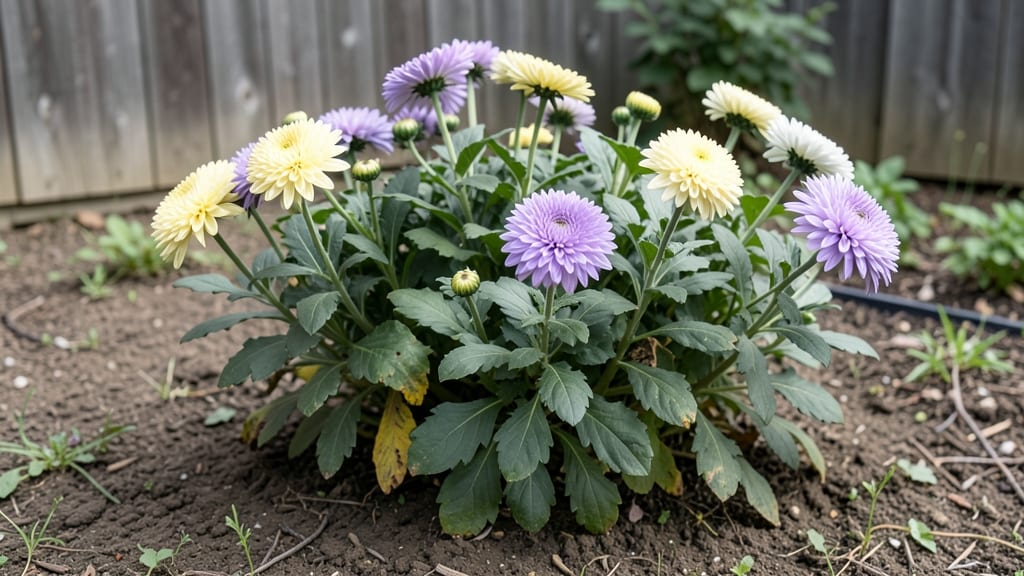
Are mums full sun plants that thrive best in full sun, but how much depends on your climate and the variety you’re growing—too much heat can scorch leaves, while too little light means fewer blooms.
Picture this: you’ve just planted your spring mums with big dreams of a fall garden showstopper, only to watch them stretch toward the sky or fade to pale green. That’s the classic light dilemma, and it’s easier to fix than you think.
In USDA Zone 6a, where I garden, mums love 6-8 hours of sun daily, but in hotter regions, afternoon shade becomes a game-changer. The key is balancing brightness with protection—think dappled light or morning sun paired with afternoon shade in sweltering areas.
Below, I’ll break down how to spot sun stress, adjust care for your location, and pick the right varieties for full sun gardens so your 🌼 blooms stay bold and bountiful.

How much sun do mums need: full sun vs. partial shade requirements
Mums (chrysanthemums) thrive with 6 to 8 hours of sunlight daily, but their tolerance varies by climate and variety. In hot, dry regions, they may need afternoon shade to prevent wilting, while cooler, moist climates allow full sun exposure without stress.
Understanding these nuances ensures vibrant blooms and healthy growth throughout the season.
Not all mums are created equal—some varieties, like 'Marmalade' or 'Dazzler', handle full sun better than others. Others, especially dwarf or pastel varieties, may struggle in intense afternoon heat.
Your local climate plays a huge role in determining whether mums should bask in full sun or enjoy partial shade.
In USDA Zones 5-7, mums often thrive in full sun with minimal shade, especially when paired with consistent moisture. However, in Zones 8-10, where temperatures soar, providing afternoon shade can prevent leaf scorch and extend bloom time.
Always monitor your plants for signs of stress to adjust their light exposure accordingly.
Here’s a quick breakdown of how sunlight intensity affects mums:
Full sun (6+ hours/day): Promotes bold, abundant blooms but may cause leaf burn in extreme heat. Ideal for cool-season planting or heat-tolerant varieties.
Partial shade (3-6 hours/day): Reduces stress in hot climates and extends the blooming season. Great for humid or coastal areas where full sun can be too intense.
Too little light (under 3 hours/day): Leads to leggy stems, sparse blooms, and pale foliage. Mums may still grow but won’t reach their full potential.
Too much sun (without acclimation): Causes wilting, crispy edges, and premature bloom drop. Common in sudden heatwaves or poorly hardened plants.
🌼
| Variety | Sun Tolerance | Best For | Climate Notes |
|---|---|---|---|
| 'Marmalade' | Full sun | Bold blooms, heat-tolerant | Zones 5-10, needs afternoon shade in Zone 10+ |
| 'Dazzler' | Full sun to partial shade | Long bloom time, versatile | Zones 4-9, adjust shade in extreme heat |
| 'Bright Lights' | Partial shade | Colorful foliage, shade-loving | Zones 5-8, avoid full sun in humid areas |
| Dwarf varieties | Partial shade | Container gardening, small spaces | Zones 6-9, protect from afternoon sun |
| Standard mums | Full sun to partial shade | Classic blooms, garden borders | Zones 5-10, mulch to retain moisture |
If you’re planting mums in containers or raised beds, they’ll need more frequent watering to compensate for drier soil conditions in full sun. In-ground mums, however, benefit from natural soil moisture retention, especially in partial shade.
Always pair your sun exposure with well-draining soil and regular mulching to keep roots cool and hydrated.
For best results in full sun, start with heat-acclimated plants and gradually introduce them to direct sunlight over 7-10 days. This hardens their foliage and reduces shock. In partial shade, focus on morning sun and dappled light to avoid sudden temperature swings that can stress the plants.
Regional differences matter—mums in Pacific Northwest gardens may thrive in full sun, while those in Arizona or Florida need afternoon shade to prevent wilting. Always observe your plants’ growth patterns and leaf color to fine-tune their light exposure.
Adjusting shade with lightweight fabric or lattice screens can make a world of difference in extreme climates.
🌿
Remember, bloom quality
Signs your mums are getting too much or too little sun (and how to fix it)
Your chrysanthemums (mums) might be sending you signals about their sunlight needs—but are you reading them right? Bleached leaves or leggy stems often mean too much sun, while pale foliage or fewer blooms suggest they’re not getting enough.
The key is balancing 6-8 hours of sun with shade relief, especially in hot climates.
I’ve seen mums struggle in extreme conditions—whether baked under intense afternoon sun or stretched out in low-light spots. The good news? Adjusting their environment can revive them. Start by observing their growth patterns and leaf color—these are your best clues.
⚠️
If your mums show yellowing or crispy leaf edges, they’re likely sunburned. This happens when direct rays hit leaves without adequate moisture. Move them to a spot with morning sun + afternoon shade and water deeply at the base of the plant to protect roots.
Mulching with 2-3 inches of organic matter also helps retain moisture.
On the flip side, pale green leaves and weak stems signal insufficient light. Mums grown in shady spots often produce fewer blooms and grow taller but spindly. To fix this, gradually introduce more sunlight over 1-2 weeks—sudden exposure can cause sun shock.
If relocating isn’t an option, choose compact varieties like 'Bonanza' or 'Jolanda,' which tolerate partial shade better.
For leggy mums with bare stems, prune back overgrown foliage by 1/3 to encourage bushier growth. Pinch off new growth tips in early summer to promote denser blooms. Pair this with a balanced fertilizer (10-10-10) applied every 4-6 weeks during the growing season to support recovery.
Pro tip: Use a light meter or observe your mums’ shadows—if they’re shorter than the plant at midday, they’re likely in full sun. If shadows stretch longer than the plant, they need more direct light.
Small adjustments, like moving pots or trimming nearby trees, can make a big difference in their health and bloom production.