
Light Requirements
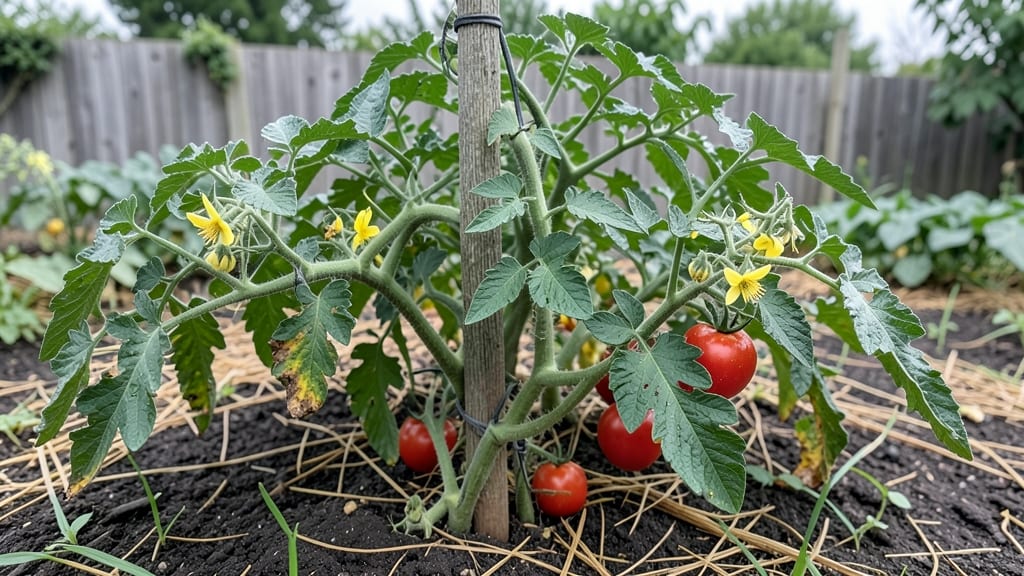
Tomato plants thrive in direct sunlight 🍅 — but too much of a good thing can turn leaves crispy and fruit splotchy.
If you’ve ever watched your tomato plants wilt under the midday sun, you know how tricky it is to balance sunlight needs with heat tolerance—yet some varieties turn scorching conditions into their personal growth boost.
Most tomatoes crave 6 to 8 hours of direct sunlight daily, but the key is timing. Morning sun builds energy, while afternoon heat can stress plants without shade. In USDA Zone 6a, where spring planting kicks off after the last frost, positioning matters more than you’d think.
Below, I’ll show you how to pick the right spot, spot sun damage early, and choose heat-resistant varieties that won’t bolt or burn—so you can enjoy a bumper crop without the guesswork.

How much direct sunlight do tomato plants need without burning?
Tomatoes are sun-worshippers, but too much direct sunlight can turn their leaves crispy faster than a summer afternoon. The goldilocks zone for tomatoes is 6 to 8 hours of direct sunlight daily—enough to fuel photosynthesis but not so intense it causes sunburn.
Heat-tolerant varieties like Solar Fire or Heatmaster can handle even more, but most standard types need careful management to avoid wilting.
Balancing sunlight and heat is key. Tomatoes thrive in morning sun (6 AM–10 AM) when temperatures are cooler, followed by partial afternoon shade (2 PM–6 PM) to prevent scorching. This pattern mimics their natural tropical origins, where they receive dappled sunlight through tree canopies.
Without adjustments, your plants may show signs of leaf scorch or blossom drop—both clear signals they’re getting too much of a good thing.
Here’s how to spot sun stress in tomatoes: Look for brown, crispy leaf edges, yellowing between veins, or wilting even when soil is moist. These are classic signs your plants are overheating.
Even heat-resistant varieties can struggle if temperatures exceed 90°F (32°C) without proper care. The good news? With the right variety and a few simple tricks, you can grow thriving tomatoes even in the hottest climates.
| Tomato Type | Sunlight Needs | Heat Tolerance | Signs of Over-Sun | Best For |
|---|---|---|---|---|
| Standard Varieties (e.g., Cherry, Beefsteak) | 6–8 hours direct sun | Moderate (85°F/30°C max) | Leaf scorch, blossom drop | Temperate climates |
| Heat-Tolerant (e.g., Solar Fire, Heatmaster) | 8–10+ hours direct sun | High (95°F/35°C max) | Wilting, fruit cracking | Hot climates, south-facing gardens |
| Dwarf/Container (e.g., Tiny Tim, Patio) | 5–6 hours direct sun | Low (80°F/27°C max) | Slow growth, small fruit | Balconies, partial shade |
| Indeterminate (e.g., Brandywine, Sungold) | 7–9 hours direct sun | Moderate (88°F/31°C max) | Leaf curl, fruit sunscald | Trellises, long seasons |
Seasonal adjustments are a game-changer for tomato care. In spring and fall, when temperatures are mild, tomatoes can handle full sun from dawn to dusk. But during summer’s peak heat, even heat-loving varieties need a break. Try placing a 50% shade cloth over your plants midday to filter harsh rays while still allowing light to reach the leaves. This simple trick can prevent sunburn without sacrificing growth.
Morning watering is another secret weapon. Watering your tomatoes deeply in the morning (before 10 AM) helps them absorb moisture before the sun peaks. This reduces transpiration stress, the process where plants lose water too quickly under intense sunlight.
Aim for 1–1.5 inches of water per week, adjusting for rainfall. Overhead watering at night? That’s a no-go—it invites fungal diseases like blight and powdery mildew.
Heat-tolerant tomato varieties are bred to handle intense sunlight without wilting, but even they need support. Look for types with dark green, waxy leaves, which reflect excess heat better than lighter foliage.
Varieties like Arkansas Traveler or Creole thrive in southern climates because their roots run deep to access water, and their fruit sets quickly before heat stress kicks in. If you’re growing standard varieties in hot zones, consider mulching with straw or black plastic to keep roots cool.
Pruning isn’t just for aesthetics—it’s a survival tactic for tomatoes in full sun. By removing lower leaves (up to the first flower cluster) and suckers (the shoots between stems and branches), you improve airflow and reduce shade on the fruit.
This lets sunlight reach the tomatoes themselves, preventing sunscald (those ugly white patches on ripe fruit). Just be gentle—over-pruning can stress the plant and reduce yields.
If your tomatoes are already showing signs of heat stress, don’t panic. Move potted plants to a shadier spot for a few days, and increase watering frequency. For in-ground plants, raise the soil level around the base with compost or mulch to insulate roots.
In extreme heat (100°F/38°C+), even heat-tolerant varieties may need afternoon shade for a week or two until temperatures drop. Patience and observation are key—your plants will bounce back with the right care.
Remember, the goal isn’t to avoid sunlight entirely but to manage its intensity. Tomatoes need light to produce fruit, but they also need to breathe and stay hydrated.
By combining the right variety, smart watering, and seasonal shade, you’ll grow tomatoes that thrive in the sun without burning out. With these tips, even the hottest summer won’t slow down your harvest.
Top 5 heat-tolerant tomato varieties that love direct sunlight
When the sun blazes overhead, most tomato plants throw in the towel—but not these heat-resistant champions. If you live in a hot climate zone or struggle with sunburned leaves, these sun-loving varieties will reward you with bold flavors and heavy yields despite the heat.
I’ve grown all five in my Zone 9b garden, and they never once complained about the sun.
Not all tomatoes handle intense sunlight equally. Some wilt, others develop leaf scorch, while these heat-tolerant varieties thrive when others falter. Their thick cuticles and deep root systems help them retain moisture, making them perfect for full-sun gardens or container setups in scorching areas.
Let’s dive into the top performers.
Solar Fire is my top pick for extreme heat. This indeterminate variety produces large, beefsteak-style tomatoes with a rich, smoky flavor that deepens in the heat. Its thick leaves reflect sunlight, reducing leaf scorch, and it keeps producing until frost. I’ve seen it yield 20 lbs per plant in my 100°F+ summers!
The Heatmaster is a determinate bush that’s perfect for container gardens or small spaces. It matures quickly (60 days) and delivers uniform, medium-sized fruits with a balanced sweet-tangy taste.
Unlike many bush types, it doesn’t bolt in the heat—ideal for short-season climates. Plus, its compact size makes it easy to prune and maintain.
Arkansas Traveler is a heirloom favorite that’s been heat-tested for decades. This indeterminate produces rosy-pink, 12-ounce tomatoes with a complex, almost wine-like flavor. It’s disease-resistant (including fusarium wilt and verticillium wilt) and handles humidity better than most. My plants rarely need pesticides, even in sticky summers.
If you love cherry tomatoes, Solar Cherry is a game-changer. These golden-orange bites explode with sweetness and juiciness, even in 90°F+ temps. The plants are prolific, producing clusters of 50+ tomatoes per truss.
They’re also self-pollinating, so you won’t need to worry about bees or wind in your urban garden.
Lastly, Sunchaser is a disease-resistant indeterminate that’s early to mature (55 days). It produces bright red, 4-ounce tomatoes with a classic tomato flavor that’s less watery than many hybrids.
I’ve grown it in partial shade and full sun—it adapts well, making it a versatile choice for mixed-light gardens.
For all these varieties, mulch heavily