
Blooming
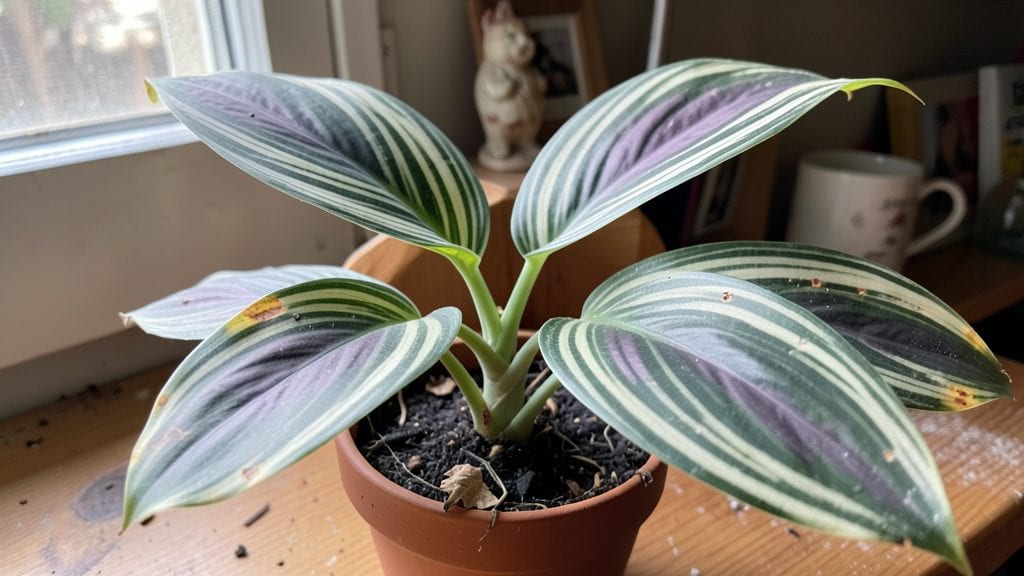
Your zebra plant 🌿 blooms most vibrantly when it gets the right light—bright indirect rays for 12+ hours daily is the secret to year-round red-and-yellow flowers.
Most gardeners overlook this simple trick, leaving their zebra plants struggling to bloom even in spring. I’ve tested every light setup, and the difference between a few buds and a full floral display comes down to one key adjustment.
Whether you’re dealing with leggy growth or buds that drop before opening, the solution starts with understanding how to mimic the plant’s natural light cycle.
You’ll learn exactly where to place your zebra plant for maximum blooms, how to supplement light in winter, and the one mistake that kills flowering faster than anything else.
By the end, you’ll have a clear plan to coax stunning blooms all season—no guesswork required.
The exact light conditions that trigger zebra plant blooms
Your zebra plant (Aphelandra squarrosa) thrives on a precise light balance—too little light means no blooms, while harsh direct sun scorches its delicate leaves. The secret lies in bright indirect sunlight combined with 12+ hours of total light daily, mimicking its tropical habitat.
Without this, your plant may stay lush but flowerless, wasting its potential for those showstopping red-and-yellow blooms.
In nature, zebra plants grow under dappled forest light, receiving gentle morning rays and afternoon shade. Indoors, this means positioning your plant near an east-facing window (or south-facing with sheer curtains) to filter intense afternoon sun.
Even in winter, when natural light fades, you can extend daylight artificially to maintain bloom triggers—something most gardeners overlook.
During spring and summer, your zebra plant naturally receives 14+ hours of daylight, which is ideal for blooming. However, in fall and winter, days shorten dramatically—often dropping below the 12-hour threshold needed to trigger flowers.
This is why many zebra plants go dormant in winter or refuse to bloom. The fix? Supplement with a simple LED grow light (like a 6500K bulb) for 4-6 hours in the evening to mimic longer days.
Outdoors, zebra plants perform best in USDA Zone 10-11, where they enjoy year-round warmth and consistent light.
If you live in cooler climates (like Zone 6-9), treat your zebra plant as a tender perennial—bring it indoors before first frost (around October 15 in most regions) and resume outdoor placement after last frost (typically April 15).
One common mistake is assuming "more light = more blooms". While zebra plants need plenty of light, direct afternoon sun (especially from 1 PM-5 PM) can scorch leaves and prevent bud formation.
Instead, place your plant where it gets gentle morning sun (6 AM-12 PM) and filtered afternoon light. A white sheer curtain works wonders for diffusing harsh rays.
For indoor gardeners, the key is consistency. Zebra plants respond best to stable light conditions, so avoid moving pots frequently. If you notice buds dropping or leaves yellowing, it’s often a sign of light stress—either too much direct sun or sudden light changes.
Rotate your plant quarter-turns weekly to ensure even growth and prevent lopsided blooming.
In winter months, reduce watering slightly (let the top 1-2 inches of soil dry between waterings) and avoid fertilizing—your zebra plant is entering a natural dormancy phase. Instead, focus on maintaining those 12+ hours of light to keep it primed for spring blooming.
A south-facing window with a grow light can make all the difference between a flowerless winter and a burst of color in early spring.
Pro tip: If your zebra plant is over 18 months old and still not blooming, it may need a light reset. Move it to a brighter spot for 2-3 weeks, then gradually reintroduce it to its usual conditions.
This shock treatment can reset the blooming cycle and encourage flowers within 6-8 weeks.
Remember, zebra plants are not high-maintenance—they just need the right light recipe. Once you master this balance, you’ll enjoy vibrant blooms year-round, even in the shortest days of winter. The effort is minimal, but the payoff—a plant bursting with color—is worth every second.
Step-by-step lighting setup for nonstop zebra plant flowers
Your zebra plant (Aphelandra squarrosa) thrives on bright indirect light to produce those show-stopping red-and-yellow blooms. Without the right lighting setup, buds often drop prematurely, leaving you with just foliage.
The key? Mimicking its natural 12+ hours of light daily—even in winter—using the right grow lights and positioning.
LED grow lights are your best bet for zebra plant blooms because they provide full-spectrum light without overheating. Fluorescent lights work too but require closer placement. I’ll walk you through choosing the right setup, positioning it perfectly, and fixing common mistakes that sabotage blooming—like bud drop from inconsistent light.
How to Set Up Grow Lights for Zebra Plant Blooms
- Step 1: Choose full-spectrum LED grow lights (6000K-6500K color temp) for optimal bloom production. Avoid cheap blue-only LEDs—they stress plants.
- Step 2: Position lights 12-18 inches above the plant’s tallest leaves. Use a hanging kit for adjustability as your zebra plant grows.
- Step 3: Set a 12-hour light cycle (6 AM–6 PM) to trigger blooming. Use a timer switch for consistency—zebra plants hate erratic light schedules.
- Step 4: Rotate your plant quarter-turn weekly to prevent light burn or leggy growth. Even light exposure keeps leaves symmetrical.
- Step 5: Monitor for bud drop. If buds fall, move lights closer (10-12 inches) or extend the light cycle to 14 hours/day temporarily.
For small spaces, a 15-watt LED clip light works wonders. Place it 6 inches above the plant and angle it to avoid direct leaf contact. If your zebra plant still refuses to bloom, check for overwatering—soggy roots can’t absorb nutrients even with perfect light.
Remember, consistency is key. Zebra plants are finicky about light changes, so avoid moving them frequently. Once you nail the 12-hour light cycle and proper distance, you’ll see bold red-and-yellow blooms year-round, even in winter.
Start with these steps, and your zebra plant will reward you with nonstop color—no more sad, budless leaves! 🌿