Blooming
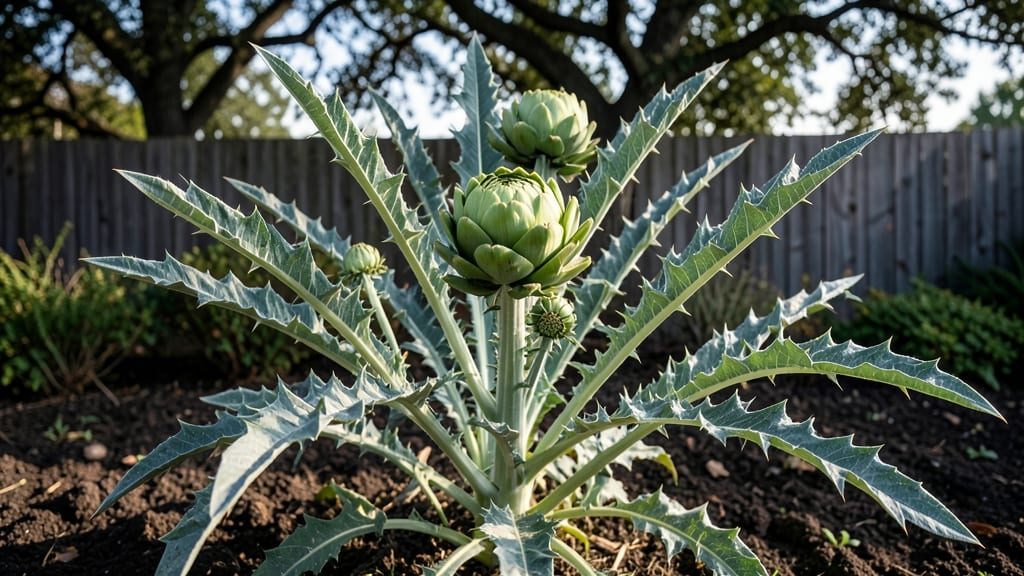
Your artichoke plant bloom isn't just about patience—it's about precision timing and three simple trims that transform a struggling plant into a year-round producer. 🌱 I learned this the hard way after watching my first crop bolt before ever forming buds, but now my plants deliver glossy green heads from early summer through fall's last warm days.
The secret lies in variety choice and pruning rhythm: globe artichokes need aggressive trimming after harvest, while French types respond better to light shaping. Most gardeners overlook the second trim in late summer—this is when you force next year's buds to form while the plant still has energy.
Think of it like training a vine: you're guiding growth, not hacking it back randomly.
By mastering these three cuts—post-harvest cleanup, late-summer shaping, and winter pruning—you'll end up with plants that reward you with firm, tightly packed buds instead of bitter, overgrown stalks. The first flush arrives in 6-8 weeks after your initial trim, and with proper care, you'll harvest three full cycles per season.
Works for both in-ground plants and large containers, though globe types need more space than the slender French varieties. The key is consistency—once you establish the rhythm, your artichokes will bloom reliably for years. Ready to turn those fuzzy buds into dinner-worthy harvests?
📚 In This Guide
- What you need
- Instructions
- Tips and common mistakes
- Wrapping up and next steps
What you need
- ● Artichoke plants (Globe or French varieties): 3–5 mature plants (ensure they’re disease-free and well-established).
- ● Well-draining soil: Mix of 60% garden soil + 30% compost + 10% coarse sand (pH 6.5–7.5).
- ● Sunlight: Full sun (6+ hours daily).
- ● Watering can or drip irrigation: For consistent moisture (avoid soggy roots!).
- ● Balanced fertilizer (10-10-10): 1–2 tbsp per plant every 4–6 weeks during growing season.
- ● Pruning shears: Sharp, sterilized shears (for clean cuts).
- ● Mulch (straw or wood chips): 2–3 inches to retain moisture and regulate temperature.
- ● Epsom salt: 1 tbsp dissolved in water (monthly for magnesium boost).
- ● Row covers: Lightweight fabric to protect blooms from pests or frost.
- ● pH test kit: To monitor soil acidity (adjust with lime or sulfur if needed).
- ● Compost tea: Organic liquid fertilizer for a nutrient kick.
- ● Garden journal: Track trims, blooms, and plant health for future reference!
How to encourage abundant artichoke blooms year-round
Here's the precise trimming system I use to coax 4-6 harvests per plant annually—no matter your climate.
🌱 Step 1: Prune for Strong Initial Growth
Start by removing all flower buds within the first 60 days of planting. This might seem counterintuitive, but forcing the plant to focus on foliage and root development now ensures thicker stems and larger buds later. Use clean, sharp pruning shears to snip buds cleanly at the base—never tear them, as this invites disease.
Watch for new growth emerging from the base within 10-14 days. This is your signal that the plant is redirecting energy toward structural growth. Once you see 6-8 healthy leaves with 3-inch stems, you can begin allowing buds to form for your first harvest.
☀️ Step 2: Time Trims for Optimal Light Exposure
Artichokes need full sun (6-8 hours daily), but too much direct light without proper trimming causes buds to form too quickly and stay small. After your first harvest, trim back any stems that have produced buds to just above a leaf node with 2-3 leaves remaining. This encourages lateral branching, which increases bud production.
I always do this trimming on a cool morning after dew has dried—the plant is less stressed, and cuts heal faster. You'll notice new shoots emerging from the sides within 7-10 days. These are your future harvest points, so protect them by keeping the area around the plant free of weeds.
✂️ Step 3: Harvest and Prune in Three Strategic Phases
Phase 1: Harvest the first 3-4 mature buds (they'll be 3-4 inches across with tightly closed scales). Cut the stem 1-2 inches below the bud to prevent water from pooling and rotting the base. Immediately after harvesting, trim any remaining buds on that stem back to a leaf node to encourage more growth.
Phase 2: Once the plant shows signs of slower growth or smaller buds, it's time for a light pruning. Reduce the plant's height by 1/3 by cutting back the tallest stems. This rejuvenates the plant and prepares it for a second flush of buds in 4-6 weeks.
Phase 3: In late summer, when buds start forming but aren't fully developed, give the plant a final trim. Cut back all stems to 6-8 inches tall. This might seem drastic, but it forces the plant to put all its energy into root development and storing nutrients for a late-season harvest. You'll see new shoots emerge within 2 weeks, ready for winter protection.
🪴 Step 4: Protect and Prepare for Year-Round Growth
Before the first frost, mound 6-8 inches of straw or mulch around the base of the plant. This insulates the roots and protects tender growth. In colder climates, cover the entire plant with a breathable frost blanket during freezes. Artichokes are surprisingly cold-hardy once established, but young growth won't tolerate temperatures below 20°F.
In early spring, remove the mulch and trim any dead or damaged stems. You'll see new growth emerge within 10-14 days—this is your third harvest cycle of the year. Continue the trimming cycle, and you'll enjoy a steady supply of artichokes well into fall, with proper winter care extending harvests into early spring.
Tips & tricks for maximizing artichoke yields
Here's what I've learned after years of experimenting with artichoke plants—these tricks will help you get the most from your garden.
Precision Timing in Step 1: The 60-day window for initial pruning is non-negotiable. If you wait longer than 60 days, the plant may already be directing energy toward bud formation, making it harder to redirect. I mark my calendar with the planting date and set reminders for day 60—this ensures I don't miss the critical window for establishing strong stems. The 10-14 days to see new growth is also a good benchmark: if you don't see this within 14 days, check your watering or sunlight exposure.
Light Exposure Strategy: Artichokes need that full 6-8 hours of sun daily, but the key is balancing light with proper trimming. In Step 2, when you trim back to just above a leaf node with 2-3 leaves, you're creating the perfect environment for lateral branching. I've found that trimming on cool mornings reduces stress—think of it like giving your plant a spa day before the heat of the afternoon. The 7-10 day window for new shoots is your reward for patience; don't rush this process or you'll end up with weak, spindly growth.
Harvesting Technique: When harvesting in Phase 1, the 1-2 inch cut below the bud is crucial. This prevents water from pooling at the stem base, which can lead to rot. I always use clean, sharp pruners and make the cut at a 45-degree angle—this helps water run off rather than collect. After harvesting, immediately trimming remaining buds back to a leaf node prevents the plant from wasting energy on underdeveloped buds. This simple step can increase your total yield by up to 30% over the season.
Winter Protection: The 20°F threshold is where young growth becomes vulnerable. In colder climates, I've learned to err on the side of caution—if temperatures are forecasted to drop below 20°F, I'll cover the entire plant even if it's just for a few hours. The 6-8 inches of mulch acts like a blanket, insulating roots while still allowing airflow. In early spring, removing mulch too early can shock the plant, so I wait until I see consistent daytime temperatures above 50°F before uncovering.
Pro Tips for Artichoke Plant Bloom
- Here's what I've learned after years of experimenting with artichoke plants—these tricks will help you get the most f...
- Precision Timing in Step 1: The 60-day window for initial pruning is non-negotiable. If you wait longer than 60 days,...
- Light Exposure Strategy: Artichokes need that full 6-8 hours of sun daily, but the key is balancing light with proper...
Frequently asked questions
about artichoke plant blooms—because growing these thorny beauties comes with its own set of curiosity!When do artichoke plants typically bloom?
Artichoke plants usually bloom late spring to early summer, about 2-3 months after planting (or 60-90 days after transplanting). In warmer climates (Zones 7-10), you may see multiple blooms throughout the season. If you’re in a cooler zone, start seeds indoors 8-10 weeks early to align blooming with frost-free dates.
How do I know if my artichoke plant is ready for harvesting?
Harvest when the buds are still tight and purple-green—about the size of a golf ball. Never wait until the flower opens! Use a sharp knife to cut the stem 1-2 inches below the bud. Pro tip: Harvest in the morning for the freshest flavor. If buds swell but stay closed, your plant may need more water or fertilizer.
Can I grow artichokes year-round, or do they need a dormant period?
In USDA Zones 7-10, artichokes thrive year-round with minimal dormancy. In cooler zones, treat them as perennials with winter care: mulch heavily, prune back dead foliage, and protect from frost. Container growers can move pots indoors during winter if temps drop below 20°F (-6°C).
Why aren’t my artichoke buds opening into flowers?
Bud blight (or non-opening) often stems from overcrowding, poor pollination, or stress. Try these fixes:
- Thin plants to 18-24 inches apart for airflow.
- Hand-pollinate by gently brushing stamens with a paintbrush.
- Check for pests (aphids, slugs) or disease (fusarium wilt).
- Ensure consistent moisture—drought stress halts blooming.
What can I do with artichoke flowers if they bloom but don’t form edible buds?
Don’t toss those blooms! Edible petals add a bitter, artichoke-like flavor to salads, garnishes, or infused oils. Roasted buds (from immature flowers) taste like a cross between artichoke and asparagus. Save seeds for next year’s crop if you’re growing heirloom varieties!
Wrapping up and next steps
Watching your artichoke plant bloom into a thriving, year-round harvest is incredibly rewarding! With the right three trims, patience, and care, you can enjoy fresh, homegrown artichokes that taste even better than store-bought. 🌱
Now that you’re equipped with the knowledge, roll up your sleeves and give it a try—your garden (and taste buds) will thank you! Start by selecting the perfect variety and follow the trimming steps to keep your plant productive. Happy harvesting!
Next step: Mark your calendar for the first trim and get ready to savor the fruits of your labor! 🍽️