
Companion Plants
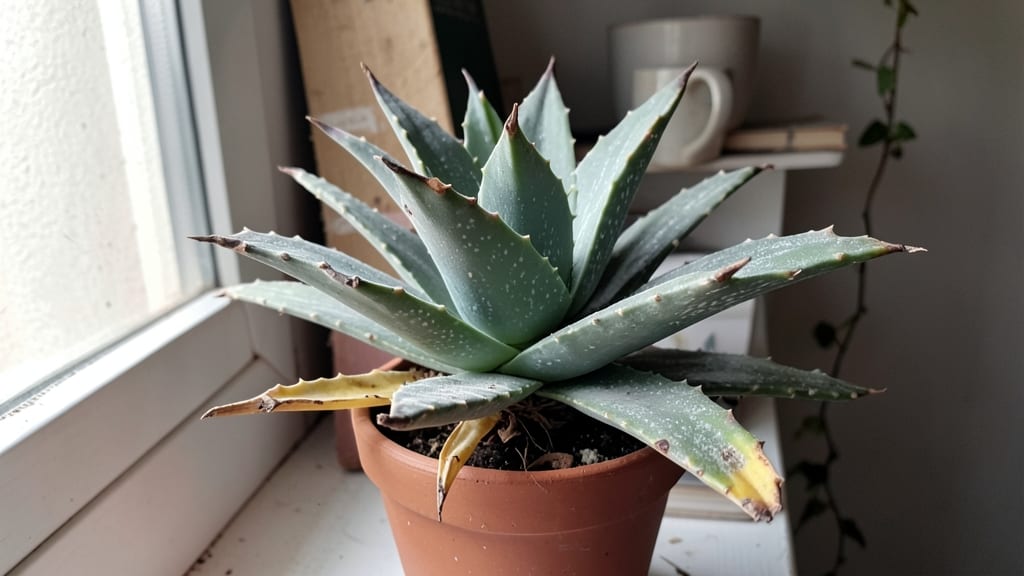
When your plants develop crispy brown edges despite your best care, wind burn is the likely culprit—and the fix starts with the right neighbors. 🌿 I’ve watched delicate leaves turn brittle overnight, only to discover that strategic companion plantings can shield them from harsh gusts.
The key isn’t just adding plants; it’s choosing the right mix that acts as a natural windbreak while supporting your garden’s health.
Wind-sensitive plants like lettuce, basil, and young tomatoes need protection, while tougher species such as grasses, shrubs, or even corn can absorb wind’s force. A simple row of sunflowers or a hedge of Russian sage can make all the difference, reducing wind speed by up to 50% near the ground.
The best part? These companions often improve soil and attract pollinators too.
You’ll notice the change within days—leaves stay plump and green, growth speeds up, and those frustrating brown patches disappear. Even established plants recover faster with proper hydration and occasional pruning to remove damaged foliage. The right pairings turn a vulnerable garden into a resilient one.
Works for containers, raised beds, or open fields—just adjust spacing based on your plants’ size. Start small, observe how wind moves through your space, and refine your setup over time. Your garden’s toughest plants will thank you.
📚 In This Guide
- What you need
- Instructions
- Tips and common mistakes
- Wrapping up and next steps
What you need
- ● Windbreak plants: Fast-growing, dense shrubs or trees like Bamboo, Willow, Privet, or Eucalyptus (3–5 plants, depending on garden size).
- ● Companion plants: Tall grasses (e.g., Miscanthus), hedges (Boxwood or Hornbeam), or low-growing perennials like Lavender or Rosemary (5–10 plants).
- ● Soil amendments: Organic compost (5–10 lbs) and mulch (straw or wood chips, 2–3 inches deep).
- ● Tools: Pruning shears (sharp, for trimming windbreak plants).
- ● Garden trowel (for planting).
- ● Measuring tape (to space plants 3–6 feet apart).
- ● Gloves (gardening-grade, for protection).
- ● Windbreak netting or fabric (for temporary protection in high-wind areas).
- ● Drip irrigation system (to keep soil moist for new plantings).
- ● Slow-release fertilizer (for nutrient boost during establishment).
- ● Stakes or trellises (to support tall or flexible plants like Bamboo).
How to protect plants from wind burn using natural barriers
Wind burn can turn tender leaves into crispy edges overnight—here's how to shield your plants naturally.
🌿 Step 1: Identify Wind-Sensitive Plants and Their Locations
First, spot the plants showing signs of wind damage—thin, brown leaf edges or curled foliage. I always check my roses, hydrangeas, and hostas first since they’re particularly vulnerable. Observe where wind hits hardest: corners of the yard, open garden beds, or near fences where gusts funnel.
Note which plants get hit worst during windy days. This helps you prioritize protection for the most delicate varieties. I mark spots with small stakes so I remember where to place barriers later. The goal is to shield leaves without blocking all airflow—just the harshest gusts.
🌱 Step 2: Choose Strategic Companion Plants as Windbreaks
Instead of plastic screens, I use tall, sturdy plants like arborvitae, bamboo, or evergreen shrubs to break wind naturally. These act like living windbreaks while adding beauty. For smaller areas, I plant corn, sunflowers, or tall grasses in rows—even a single row can reduce wind speed by 40%.
Place windbreaks 10-15 feet upwind of sensitive plants. The taller the barrier, the better it deflects gusts. I avoid dense hedges that trap moisture—opt for plants with some airflow through their branches. This keeps the microclimate stable without creating a steamy sauna effect.
✂️ Step 3: Create Temporary Wind Shields for Immediate Protection
For quick fixes, I use burlap sacks or woven plant screens tied loosely to stakes. These let light through while blocking harsh winds. Place them 3-4 feet away from plants so airflow isn’t completely cut off. I adjust the angle to catch wind head-on during storms.
For delicate perennials, I also try lightweight plastic mesh (like window screen material) stretched over hoops. This diffuses wind without blocking sunlight. Check daily to ensure no leaves are trapped against the shield—gentle airflow keeps them healthy.
☀️ Step 4: Mulch and Moisture Management for Resilience
Wind-damaged plants recover faster with 2-3 inches of mulch around their base. This keeps roots hydrated and stable. I water deeply every 2-3 days during dry spells to prevent leaf edges from drying out further. Well-hydrated plants handle wind better.
Add a layer of coarse mulch like wood chips or straw to protect soil from erosion. This also insulates roots during temperature swings. I avoid fine mulch—it can compact and trap too much moisture, which weakens plants over time.
🪴 Step 5: Adjust Plant Placement for Long-Term Wind Protection
After a season, I reassess plant placement. Group wind-sensitive plants together behind natural barriers. For example, I tuck hostas and asters behind a row of daylilies or ornamental grasses. This creates a staggered defense line.
If possible, relocate exposed plants to sheltered spots like the north side of a fence or building. Even a small change in position can make a huge difference. I always test new spots for a week before committing—watch for signs of stress like yellowing leaves or stunted growth.
Tips & tricks for shielding plants from wind burn
A few key strategies that'll help you create an effective wind barrier without sacrificing airflow or plant health.
Plant Placement Precision: When positioning windbreaks like arborvitae or bamboo, aim for the 10-15 foot upwind distance mentioned in Step 2. This creates the optimal wind deflection while maintaining airflow. I've found that placing windbreaks too close can actually increase wind speed at ground level, doing more harm than good. For smaller gardens, even a single row of corn or sunflowers can make a surprising difference—just give them space to grow fully before expecting full protection.
Temporary Shield Tactics: For immediate protection during storms, I've learned that burlap sacks work best when secured loosely—too tight and you'll trap moisture against leaves. The 3-4 foot distance from plants is crucial; any closer and you risk creating a greenhouse effect. For lightweight mesh shields, I recommend using plastic window screen material stretched over PVC hoops. This creates a permeable barrier that diffuses wind while allowing sunlight and gentle airflow through.
Mulch Layering Strategy: The 2-3 inch mulch layer in Step 4 isn't just about moisture—it also acts as a wind buffer for roots. I've noticed that plants with properly mulched bases show significantly less wind damage during storms. For extra protection, I add a layer of straw on top of wood chips—this creates additional wind resistance while preventing soil erosion. Just remember to keep the mulch coarse; fine mulch can compact and trap too much moisture, which actually weakens plants over time.
Seasonal Adjustment Insight: After implementing these strategies, I've found that reassessing plant placement in late fall is crucial. Grouping wind-sensitive plants like hostas behind natural barriers creates a staggered defense that works year-round. For plants that still show damage, I've had success moving them to the north side of fences or buildings where wind speeds are naturally reduced. The key is testing new spots for at least a week before committing—watch for signs of stress like yellowing leaves or stunted growth.
Pro Tips for Wind Burn Plants
- A few key strategies that'll help you create an effective wind barrier without sacrificing airflow or plant health.
- Plant Placement Precision: When positioning windbreaks like arborvitae or bamboo, aim for the 10-15 foot upwind distance mentioned in Step 2.
- Temporary Shield Tactics: For immediate protection during storms, I've learned that burlap sacks work best when secured loosely—too tight and you'll trap moisture against leaves.
Frequently asked questions
Got questions about protecting your plants from wind burn? Here are some of the most common concerns—plus straightforward answers to keep your garden thriving!
What are the first signs of wind burn on plants?
Look for brown, crispy edges on leaves or stems, especially on exposed sides. Younger, softer leaves are most vulnerable. You might also spot scorched patches or premature wilting in high-wind areas. Act fast—these signs mean your plant is already stressed!
How quickly can wind burn damage my plants?
Damage can appear in hours during extreme winds (20+ mph), but chronic exposure over days or weeks causes cumulative harm. Delicate plants like hostas, lettuce, or basil may show symptoms within 24–48 hours, while tougher species (e.g., rosemary or lavender) might take longer to show stress.
What are the best companion plants to block wind for vegetables?
Use tall, dense plants like corn, sunflowers, or tall grasses as windbreaks for rows of tomatoes, peppers, or squash. For herbs, pair basil or parsley with rosemary or thyme—their woody stems act as natural shields. Even bush beans or peas can help protect low-growing greens!
Can I fix wind-damaged plants, or should I replace them?
For mild damage, trim affected leaves with clean scissors and move the plant to a sheltered spot. Prune back dead tissue to encourage new growth. If the plant is severely stunted or wilted, it may not recover—consider replacing it with a wind-resistant variety (e.g., kale over lettuce or zinnia over petunias).
Do windbreaks work in small gardens or containers?
Use potted plants like boxwoods, dwarf conifers, or even bamboo screens to create micro-windbreaks. For containers, group plants tightly together or place them against a fence or wall. Even a DIY trellis with climbing vines (like morning glories) can reduce wind exposure in tight spaces.
Wrapping up and next steps
Wind burn can be a real challenge for your garden, but with the right companion plant pairings, you can create a thriving, wind-resistant oasis! 🌿 From fragrant herbs like lavender to sturdy shrubs such as rosemary, these plant allies not only shield delicate leaves but also boost growth and deter pests.
The key is planning ahead—choose companions wisely, monitor their progress, and enjoy a garden that’s both beautiful and resilient.
Ready to give it a try? Start small—pick one vulnerable plant and pair it with a protective buddy. Watch your garden transform, and soon, you’ll be a wind burn warrior! 🌱