
Plants
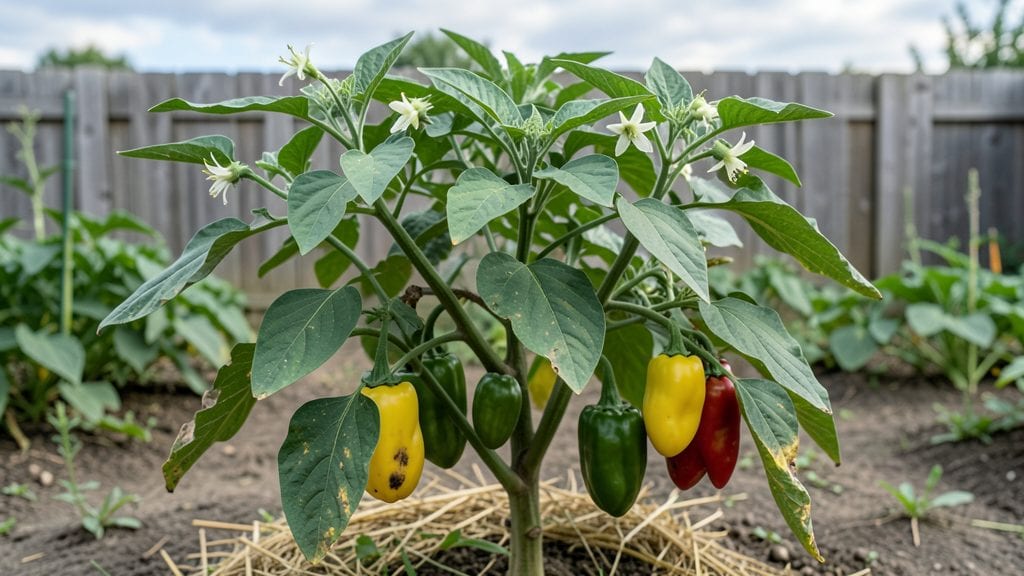
Your wilted pepper plant isn’t dead—it’s just asking for help. 🌱 I’ve nursed back more droopy peppers than I can count, and the secret lies in three precise trims that reset the plant’s energy without shocking it. The key is acting fast before the roots give up entirely.
Most wilting stems from overwatering, underwatering, or sudden heat stress—all fixable with the right cuts and care. Start by checking the soil: if it’s soggy, you’ve got root rot; if it’s bone-dry, you’ve got thirst. Either way, the trims I’ll show you redirect the plant’s focus to recovery, not survival.
Within days, you’ll see new growth pushing through the stems you saved. The leaves will perk up, the soil will firm up, and—best of all—your plant will start setting peppers again. No more sad, floppy plants; just a revived harvest waiting to happen.
Works for bell peppers, jalapeños, and even heirlooms—no matter the variety, these trims work. Let’s turn that wilted mess into a thriving bush before the season slips away.
Root Causes Of Drooping Peppers
Understanding why your pepper plants wilt is the first step to bringing them back to life. Often, wilting isn’t just one issue—it’s a mix of environmental stress, biological factors, or even human error.
Let’s break down the most common culprits and why they trigger that sad, limp look in your peppers.
Peppers hate soggy roots. When soil stays too wet, oxygen can’t reach the roots, causing them to suffocate and weaken. This leads to wilting because the plant can’t absorb water or nutrients efficiently.
Signs to watch for:
- Yellowing leaves (especially lower ones)
- Mushy stems or blackened roots when checked
- Soil that smells sour or rotten
Why it happens: Peppers thrive in well-draining soil with a moisture balance. Overwatering disrupts this balance, leading to root rot (often caused by Phytophthora or Pythium fungi). Even if you’re not drowning the plant, compacted or clay-heavy soil can trap excess moisture, creating the same problem.
Quick fix: Let the top 1–2 inches of soil dry out between waterings. If your pot lacks drainage holes, repot immediately.
Peppers are tropical plants—too much heat or a sudden cold snap can shock them into wilting. High temperatures (above 90°F/32°C) cause transpiration stress, where leaves lose moisture faster than roots can supply it. Cold snaps (below 50°F/10°C) slow root activity, starving the plant of water.
Signs to watch for:
- Wilting that worsens in the afternoon (heat stress)
- Crispy leaf edges or blackened stems (cold damage)
- Drooping that improves at night (heat) or stays limp (cold)
Why it happens: Heat stress triggers stomatal closure, where pores on leaves seal to conserve water—but this also blocks gas exchange for photosynthesis. Cold stress disrupts cellular function, causing chilling injury in roots and leaves.
Quick fix:
- Heat: Provide afternoon shade (use shade cloth or move pots to partial shade).
- Cold: Cover plants with frost cloth or move them to a sheltered spot.
Wilting can also signal a hunger for key nutrients. While peppers need nitrogen (N), phosphorus (P), and potassium (K), deficiencies in calcium, magnesium, or boron can weaken cell walls, leading to limp stems and leaves.
Common deficiencies causing wilt:
| Nutrient | Symptoms | Why It Happens |
|---|---|---|
| Calcium | Blossom-end rot (black spots), weak stems | Poor soil pH (<6.0) or uneven watering |
| Magnesium | Yellowing between leaf veins | Over-fertilization with nitrogen |
| Potassium | Weak stems, brown leaf edges | Soil depletion or leaching |
Why it happens:
- Calcium is immobile in plants—once roots can’t uptake it, new growth suffers first.
- Magnesium is leached out by overwatering or acidic soil.
- Potassium regulates water movement; a lack of it makes cells unable to hold moisture.
Quick fix: Test your soil and amend with lime (for calcium), Epsom salt (for magnesium), or a balanced fertilizer (5-10-10).
Hidden pests like aphids, spider mites, or whiteflies sap plant fluids, causing wilting. Fungal diseases like early blight or verticillium wilt clog vascular tissues, blocking water transport.
Signs to watch for:
- Sticky residue on leaves (aphids)
- Fine webbing (spider mites)
- Yellowing veins (fungal wilt)
Why it happens:
- Pests pierce cells to feed, disrupting water uptake.
- Fungal wilts (e.g., Verticillium) produce toxins that block xylem (water-conducting vessels).
Quick fix:
- Pests: Spray with neem oil or introduce ladybugs.
- Disease: Remove infected plants and apply copper fungicide.
If your pepper plant recently moved or had roots disturbed, wilting is often a survival response. Roots take time to regrow and re-establish contact with soil moisture.
Why it happens:
- Root pruning during transplanting severs fine feeder roots.
- Over-handling (e.g., rough repotting) damages root tips.
Quick fix:
- Transplant carefully: Water deeply before and after moving.
- Root prune lightly: Trim only damaged roots to encourage regrowth.
Too much fertilizer (especially high in salt) can osmotically stress roots, preventing water absorption. Symptoms mimic underwatering—wilting despite moist soil.
Why it happens: Excess salts (from fertilizers or tap water) create a hypertonic soil solution, forcing roots to work harder to absorb water. Over time, roots shrink and die back.
Quick fix:
- Flush soil with distilled water to leach out salts.
- Use organic matter (compost) to improve soil structure.
Not all wilting is reversible. If leaves feel crispy or mushy, the damage may be irreversible. But if wilting happens daily in heat or after watering, your plant is likely just thirsty or stressed—not dead.
Pro tip: 💡 Test the soil—if it’s dry 1–2 inches down, water deeply. If it’s soggy, hold off and check for root rot.
Reviving Your Peppers: Step-by-Step Fixes
A wilted pepper plant isn’t necessarily a death sentence—often, it just needs a little TLC to bounce back. Whether your plant is drooping from stress, disease, or environmental factors, these targeted solutions will help you diagnose the issue and take action.
Below, we’ve mapped out practical fixes for common causes, along with prevention tips to keep your peppers thriving long-term.
If your pepper plant’s leaves are yellowing, mushy, or the soil smells sour, root rot is likely the culprit. Overwatering or compacted soil traps excess moisture, suffocating roots.
How to Fix It: ✅ 🔥 Stop Watering Immediately – Let the soil dry out completely before watering again. ✅ 🍳 Repot in Well-Draining Soil – Use a mix of potting soil, perlite, and coconut coir (50/30/20 ratio) to improve aeration. ✅ 👨🍳 Trim Damaged Roots – Gently remove the plant, rinse roots under lukewarm water, and snip away any black, mushy sections with sterilized scissors. ✅ 🥘 Elevate the Pot – Place it on a tray of pebbles to prevent waterlogging from below.
💡 Prevention Tip: Water only when the top 1-2 inches of soil are dry, and ensure pots have drainage holes.
Pepper plants love sunlight but can wilt from scorching when exposed to intense midday rays or extreme heat (above 90°F/32°C).
How to Fix It: ✅ 🌿 Provide Partial Shade – Move the plant to a spot with morning sun and afternoon shade, or use a sheer curtain for filter. ✅ 🌡️ Boost Humidity – Place a tray of water near the plant or mist leaves lightly in the evening (avoid wetting foliage in direct sun). ✅ 🎯 Mulch the Soil – Apply 2-3 inches of straw or shredded leaves to retain moisture and cool roots.
💡 Prevention Tip: Hardening off seedlings gradually (exposing them to sun in stages) prevents sudden shock.
Dry, crispy leaves or stunted growth often mean thirsty roots or a lack of essential nutrients like nitrogen or potassium.
How to Fix It: ✅ 💦 Water Deeply & Consistently – Soak the soil until water drains from the bottom, then wait until the top inch is dry before repeating. ✅ 🍽️ Fertilize Properly – Use a balanced fertilizer (10-10-10) or a tomato/pepper-specific feed every 4-6 weeks. For quick revival, try a seaweed extract for stress relief. ✅ 🥗 Check for Pests – Inspect leaves for aphids or spider mites (common in stressed plants). Spray with neem oil if needed.
💡 Prevention Tip: Mulch retains moisture and slowly releases nutrients—ideal for peppers!
Wilting paired with spots, mold, or oozy stems signals a fungal/bacterial infection (e.g., early blight, bacterial spot, or powdery mildew).
How to Fix It: ✅ ⏰ Isolate the Plant – Prevent spread by keeping it away from healthy plants. ✅ 🔪 Prune Infected Areas – Cut off yellow/brown leaves and stems with sterilized shears, then dispose of them (don’t compost!). ✅ 🌿 Apply Fungicide – Use copper-based spray (for bacterial issues) or baking soda mix (1 tsp baking soda + 1 quart water + a drop of soap) for fungal problems. ✅ 🌡️ Improve Airflow – Space plants 18-24 inches apart and avoid overhead watering.
💡 Prevention Tip: Rotate crops yearly and sterilize tools with rubbing alcohol to break infection cycles.
No matter the issue, these quick fixes can help your pepper plant perk up:
- 🌱 Trim Wilted Leaves – Removing damaged foliage redirects energy to new growth.
- 💧 Bottom-Watering – Place the pot in a saucer of water for 10-15 mins to encourage deep root hydration.
- 🌡️ Adjust Temperature – Keep peppers between 60-85°F (15-29°C); avoid drafts or cold snaps.
🎯 Final Thought: Most wilted pepper plants recover with corrective care—patience is key! Monitor progress daily and adjust as needed. Soon, you’ll be harvesting plump, vibrant peppers again. 🌶️💚
Frequently asked questions
Why does my pepper plant wilt even when the soil feels moist?
This usually means root rot or osmotic stress from over-fertilizing. If the soil stays soggy for days, roots suffocate from lack of oxygen. For fertilizer burn, excess salts prevent roots from absorbing water—flush soil with distilled water to fix it.
Can I save a pepper plant that's been wilting for over a week?
It depends! If leaves are still slightly pliable (not crispy or mushy), recovery is possible. Trim severely wilted stems, repot in fresh soil, and adjust watering immediately. If roots are black/mushy, the plant may not survive—but act fast to give it a chance!
How do I tell if my wilting is from pests or disease?
Check the undersides of leaves for aphids, spider mites, or webbing (pests). For disease, look for yellowing veins, black spots, or oozy stems. Pests cause sticky residue, while diseases often appear as systemic wilting paired with discoloration.
Should I prune wilted leaves or stems to help recovery?
Yes! Pruning removes energy drains and prevents fungal spread. Cut back only the most wilted stems (never more than 1/3 of the plant at once). Use sterilized shears and avoid touching healthy foliage to prevent cross-contamination.
What’s the best way to revive a pepper plant after transplant shock?
Water deeply before and after moving, then keep soil consistently moist (not soggy). Provide partial shade for 3-5 days to reduce stress. If roots were disturbed, avoid fertilizing for 2-3 weeks—let them recover first.