
Pests
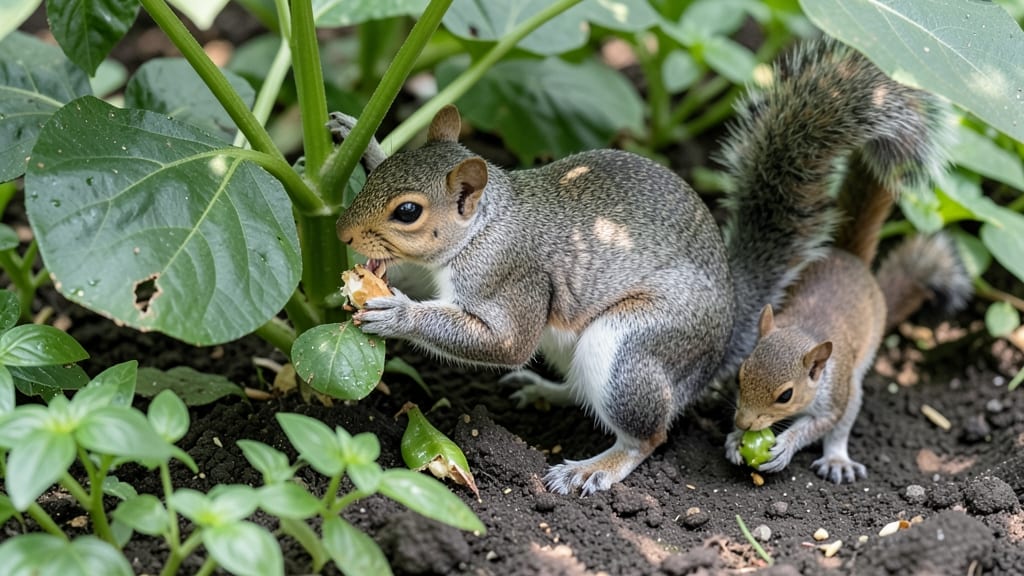
Squirrels do eat pepper plants, targeting leaves, stems, and even fruits when ripe. Their sharp teeth can chew through plant tissue, leading to stunted growth or complete crop loss if unchecked. Young seedlings are especially vulnerable to their foraging habits.
Squirrels are drawn to pepper plants because they offer a mix of moisture, protein, and sweetness—especially when peppers ripen. 🌱 Their natural foraging instincts make them particularly destructive to young plants, as tender stems are easy targets.
Unlike rabbits that prefer softer foliage, squirrels will go after both leaves and fruit, often leaving behind jagged bite marks. This behavior peaks during late summer and fall when natural food sources dwindle.
What makes pepper plants extra tempting is their high water content and sugar-rich fruits. Squirrels aren't picky—they'll nibble on both ornamental and edible varieties, sometimes even digging up bulbs if they're nearby.
The real damage comes when they strip entire plants bare, leaving gardeners with nothing but chewed stems and missing pods.
💡 In This Article
- Why Squirrels Target Pepper Plants in Gardens
- Effective Squirrel-Proofing Methods for Pepper Gardens
Why squirrels target pepper plants in gardens
Squirrels view pepper plants as an all-you-can-eat buffet because they pack three key nutritional elements: high moisture content (around 90% water in leaves), protein-rich foliage (up to 25% protein in young growth), and sweet, ripe fruits that can contain 5-10% sugar.
This combination makes peppers far more appealing than many other garden plants. Their natural foraging instincts drive them to seek out these nutrient-dense foods, especially during late summer when natural food sources become scarce. 🌿
The thin, tender stems of young pepper plants are particularly vulnerable because squirrels can easily bite through them with their powerful incisors. Unlike woody plants or those with thick bark, peppers offer minimal resistance.
Even mature plants suffer when squirrels target the fruit—ripe peppers are soft enough to be chewed through, while unripe ones still contain enough moisture to be attractive. This behavior contrasts with pests like deer, which typically avoid peppers entirely due to their capsaicin content.
Seasonal patterns play a huge role in squirrel activity. In early spring, they focus on protein-rich leaves to support breeding and growth. By late summer, their attention shifts to the sweet, ripe fruits as natural food sources dwindle.
The peak damage period typically occurs between July and October, when peppers are at their most vulnerable. Unlike rabbits that prefer softer plants like lettuce, squirrels will go after both foliage and fruit, often leaving behind distinctive jagged bite marks that distinguish their feeding patterns. 🐿️
Pepper plants also lack the chemical defenses found in other garden crops. While tomatoes produce solanine (a natural deterrent) and onions contain sulfur compounds, peppers rely on capsaicin—which squirrels can detect but aren't deterred by.
Their keen sense of smell allows them to locate ripe peppers from up to 50 feet away, making even well-hidden plants fair game. This sensory advantage, combined with their ability to climb and jump, gives them an unfair advantage over gardeners trying to protect their crops.
Comparing squirrel behavior to other garden pests reveals key differences. While deer might browse peppers occasionally, they lack the dexterity to climb plants. Chipmunks prefer seeds and nuts, leaving peppers largely untouched.
Squirrels, however, combine the ability to climb, jump, and chew through plant material with an opportunistic diet that makes them one of the most destructive garden pests for peppers. Their intelligence also means they quickly learn which gardens offer the easiest access to food. 🧠
What most gardeners don't realize is that squirrels aren't just eating—they're caching. They'll often take multiple peppers back to their nests or bury them for later, effectively removing your entire harvest in one visit.
This caching behavior explains why you might find peppers missing even when the plants appear otherwise undamaged. Understanding this pattern is crucial for implementing effective deterrent strategies that target both immediate feeding and long-term food storage instincts. 🌱