
Plants
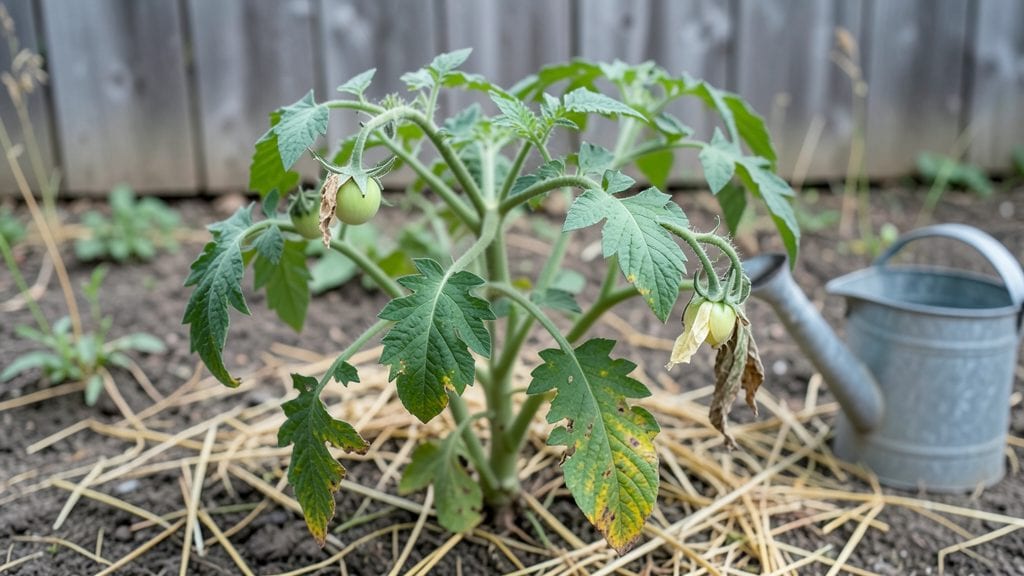
My first sign of trouble is always those sad, drooping leaves—wilting plants have a way of stealing hope faster than anything else in the garden. 🌿 I’ve nursed back everything from limp houseplants to wilted tomatoes using the same three-step process, and it works every time, no matter the cause.
The real secret isn’t guessing what’s wrong—it’s checking the soil first. Too wet? Let it dry out. Too dry? Water deeply but don’t drown it. Then look for pests hiding on the undersides of leaves or signs of disease like spots or mold.
Most wilting starts with one of these three issues, and fixing it early saves the plant.
Within 24-48 hours, you’ll see leaves perk up again as roots rehydrate or pests get controlled. The key is acting fast—once wilting spreads to multiple stems, recovery gets trickier.
By the end of the week, your plant will look like it’s never been stressed, and you’ll have a new system for catching problems before they worsen.
This works for everything from ferns to tomatoes, indoors or out. The only rule? Don’t ignore it. Even a slightly wilted plant can bounce back if you catch it early—and that’s the difference between a thriving garden and one full of sad, drooping reminders.
Root Causes Behind Drooping Leaves
Understanding why your plant suddenly looks like it’s throwing a pity party is half the battle. Wilting isn’t just a random act of plant rebellion—it’s a cry for help, often tied to specific stress factors.
Let’s break down the science behind the sag and how to spot each culprit before it’s too late.
Plants, like us, need the right amount of hydration—not a desert drought or a swampy flood. Wilting can strike from both extremes:
- Underwatering: When soil dries out, roots struggle to pull up moisture, causing cells to lose turgor pressure (the "plumpness" that keeps leaves perky).
Think of it like a deflated balloon—no air (or water) means collapse. Signs: Dry, crispy leaf edges; soil pulling away from the pot. - Overwatering: Excess water displaces oxygen in the soil, suffocating roots and triggering anaerobic conditions.
Roots can’t absorb nutrients, leading to wilting despite soggy soil. Signs: Yellowing leaves; foul-smelling soil; roots turning black/mushy.
Pro Tip: 🌡️ Stick your finger 1–2 inches deep into the soil. If it’s dry, water; if it’s damp, wait. Most plants prefer the "damp sponge" texture—not bone-dry, not soggy.
Plants aren’t fans of extreme conditions, and sudden changes can send them into wilting mode.
- Heat Stress: High temperatures (especially above 90°F/32°C) cause transpiration (water loss through leaves) to outpace absorption.
Leaves wilt as they try to cool down via evaporation. Affected plants: Succulents, tropicals like monstera, or plants moved from shade to full sun. - Cold Shock: Frost or drafts (like AC vents) can freeze water in plant cells, causing them to burst or collapse. Signs: Brown, mushy spots; wilting despite moist soil. - Light Burn: Too much direct sun (especially for shade-loving plants) leads to photodamage, where leaves scorch and wilt as a protective response.
Fix It: 🌿 Rotate houseplants occasionally to avoid one-sided sun exposure. For outdoor plants, provide afternoon shade during heatwaves.
What’s happening below the soil surface can silently sabotage your plant’s health.
- Root Rot: A fungal or bacterial infection (often from overwatering) turns roots into a mushy, decaying mess.
Roots can’t anchor or absorb water, so the plant wilts—even if the soil is wet. Red flags: Pot feels heavy due to waterlogged soil; stems turn soft or black at the base. - Compacted or Poor Soil: Dense, clay-heavy, or nutrient-depleted soil strangles roots, limiting water and oxygen flow. Signs: Wilting despite regular watering; slow growth; soil cracks when dry. - Root Bound: When roots circle the pot and strangle each other, they can’t absorb enough water or nutrients, leading to wilting. Check: Gently remove the plant—if roots form a tight knot, it’s time to repot.
Action Step: 🔪 If root rot is suspected, trim affected roots with sterilized scissors, repot in fresh, well-draining soil, and reduce watering.
Tiny invaders can wreak havoc by blocking stomata (leaf pores) or sucking out vital fluids.
- Sap-Sucking Pests (aphids, spider mites, mealybugs): These pests pierce leaves to feed, disrupting water transport and causing wilting. Clues: Sticky residue (honeydew); webbing; tiny bugs on stems/undersides of leaves.
- Fungal Infections (like powdery mildew or downy mildew): Fungal spores clog stomata, preventing gas exchange and leading to wilting. Signs: White/powdery coatings; yellow spots; wilting in humid conditions.
Defense Mode: 💡 Blast pests off with water, use neem oil, or introduce beneficial insects (like ladybugs). For fungi, improve airflow and avoid overhead watering.
Even the wrong fertilizer or hard water can cause wilting.
- Fertilizer Burn: Excess salts from over-fertilizing or using concentrated solutions osmose water out of roots, leading to dehydration and wilting. Symptoms: Brown leaf tips; white crust on soil surface. - Hard Water Buildup: High mineral content (calcium, magnesium) in tap water can clog soil pores, reducing water availability. Test: Soapy water forms suds slowly?
Your water’s hard. - Nutrient Deficiencies: Lack of potassium (critical for water regulation) or magnesium (key for chlorophyll) weakens cell structure, causing wilting. Signs: Yellowing between leaf veins (magnesium deficiency); weak, brittle stems.
Solution: 🌱 Flush soil with distilled water every few months. Use a balanced, water-soluble fertilizer (like 10-10-10) and dilute to half-strength.
Reviving Your Plant Step by Step
When your green friend starts looking more like a sad salad than a thriving plant, don’t panic—there’s hope! The key is identifying the root cause (literally or figuratively) and taking action fast. Below is your practical, no-fluff guide to diagnosing and fixing wilting, tailored to common culprits.
Think of it as a first-aid kit for foliage—simple steps to bring your plant back to life.
Signs: Yellowing leaves, mushy stems, foul smell, or soil that stays soggy for days.
How to Fix It:
- 🚰 Stop Watering Immediately
- Let the soil dry out completely before watering again. Stick your finger 1-2 inches deep—if it’s damp, wait.
- 🧽 Trim the Damage
- Use sterilized scissors to snip off any black, mushy roots or brown, squishy stems. Healthy roots are firm and white.
- 🌱 Repot in Fresh Soil - Choose a well-draining pot (terracotta or one with drainage holes) and fresh, sterile potting mix.
Avoid garden soil—it compacts and holds too much moisture. - Pro Tip: Add perlite or sand (10-20%) to improve drainage if your plant loves it dry (like succulents or cacti).
- 🌿 Monitor Recovery
- Water sparingly for 2-3 weeks, only when the top inch of soil is bone-dry. If your plant is a tropical variety (e.g., ferns, calatheas), keep humidity up with a pebble tray or humidifier.
Prevention Tips: ✅ Water only when needed—most houseplants prefer the "soak and dry" method, not constant moisture. ✅ Check your pot—if it has no drainage holes, it’s a water trap. Upgrade! ✅ Group plants together—they release moisture, creating a self-regulating microclimate.
Signs: Crispy, dry edges, drooping that doesn’t bounce back after watering, or soil pulling away from the pot.
How to Fix It:
- 💦 Deep Watering Session
- Stick your finger 2-3 inches into the soil. If it’s dry, water thoroughly until it drains from the bottom. Repeat every 7-10 days (adjust based on your plant’s needs).
- 🌿 Trim Dead Leaves
- Snip off any brown, crispy bits with clean scissors. This helps the plant focus energy on new growth.
- 🌡️ Adjust the Environment
- Move your plant away from heat sources (radiators, direct sunlight, or air conditioning vents).
- Mist leaves daily (or use a humidifier) if your plant is tropical (e.g., snake plants, pothos).
- 🌱 Boost Recovery with Fertilizer (Lightly!)
- After 2 weeks of consistent watering, feed with a balanced, diluted fertilizer (half-strength) to help revive roots.
Prevention Tips: ✅ Group plants together—they create a humid microclimate. ✅ Use a moisture meter—no guesswork! ✅ Water in the morning—evaporation is slower, and plants can drink up before the heat hits.
Signs: Sudden wilting after moving plants, cold drafts, or dry air (common with AC or heaters).
How to Fix It:
- 🏡 Find the Goldilocks Zone
- Most houseplants thrive in 65-75°F (18-24°C). Avoid cold drafts (windows in winter, AC vents) and direct heat (stoves, fireplaces).
- 💦 Increase Humidity
- Pebble tray method: Fill a tray with water and pebbles, place the pot on top (don’t let roots sit in water).
- Misting: Lightly mist leaves 2-3 times a day (great for ferns, calatheas, or peace lilies).
- Humidifier: The easiest fix if you have dry air.
- 🌿 Gradual Acclimation
- If you moved your plant, ease it in over 1-2 weeks. For example, if moving from shade to bright light, introduce it slowly.
Prevention Tips: ✅ Avoid sudden changes—plants hate surprises! ✅ Rotate occasionally—ensures even growth and light exposure. ✅ Group tropical plants—they’ll boost humidity naturally.
Signs: Sticky residue, tiny bugs, yellow spots, or white mold (powdery mildew).
How to Fix It:
- 🕵️♂️ Identify the Culprit
- Aphids/spider mites: Tiny webs or bugs on undersides of leaves.
- Fungal issues: White powder (powdery mildew) or black spots (root rot).
- 🧼 Clean & Treat - For pests: - Neem oil spray (1 tsp neem oil + 1 tsp mild soap + 1 quart water).
Spray every 5 days for 2 weeks. - Rub alcohol wipe: Dip a cotton swab in 70% isopropyl alcohol and dab off spider mites. - For fungal issues: - Trim infected leaves immediately. - Repot in fresh soil and sterilize the pot (boil or bleach solution).
- 🌱 Quarantine & Monitor
- Isolate the plant until pests are gone. Check undersides of leaves daily.
Prevention Tips: ✅ Inspect new plants before bringing them home (quarantine for 2 weeks). ✅ Keep leaves dry—fungus loves moisture. ✅ Clean tools—sterilize scissors with rubbing alcohol after trimming.
No matter the issue, follow these universal steps to help your plant bounce back:
- 🌿 Trim the dead—focus energy on new growth.
- 💧 Adjust watering—soak and dry method works for most.
- 🌡️ Optimize conditions—light, humidity, and temperature matter!
- 🍃 Be patient—some plants take weeks to recover. Don’t give up!
Final Pro Tip: 💡 Keep a plant journal! Track watering, light, and changes—it’s like a GPS for your plant’s health. Soon, your droopy friend will be perking up like a well-watered sunflower! 🌻
Frequently asked questions
Why does my plant wilt even after I water it?
Wilting after watering often signals root issues like rot or compacted soil. Check for mushy roots or foul-smelling soil—these mean overwatering. If roots are firm but soil is dense, repot with fresh, well-draining mix. For tropical plants, humidity might be the issue—try a pebble tray.
Can a wilted plant recover if the leaves are completely limp?
Yes, but act fast! If stems are still firm (not mushy), submerge the pot in room-temperature water for 10-15 minutes to rehydrate roots. Trim dead leaves and move to indirect light. Most plants bounce back within 24-48 hours if roots are healthy. Patience is key—some varieties (like succulents) may need weeks.
How do I tell if wilting is from pests vs. water issues?
Pests (aphids, spider mites) leave sticky residue or webbing on leaves, while water problems cause uniform wilting across the plant. Check undersides of leaves for tiny bugs—if found, isolate the plant and treat with neem oil. For water issues, test soil moisture: dry = underwatered; soggy = overwatered.
Is it too late to save a plant if the stems are soft and black?
Soft, black stems indicate advanced root rot, but you can still try! Trim all blackened stems and roots with sterilized scissors, then repot in fresh soil. Reduce watering to every 2-3 weeks and place in bright, indirect light. Recovery is unlikely for severely affected plants, but younger growth may sprout. Prevention is easier—always use pots with drainage holes.
Why does my outdoor plant wilt only in the afternoon?
Afternoon wilting is often heat stress. Most plants struggle when temperatures exceed 90°F (32°C)—their roots can’t absorb water fast enough to replace what’s lost through transpiration. Move potted plants to shade or mulch garden beds to retain moisture. Water deeply in the early morning to help roots stay hydrated.