Pruning
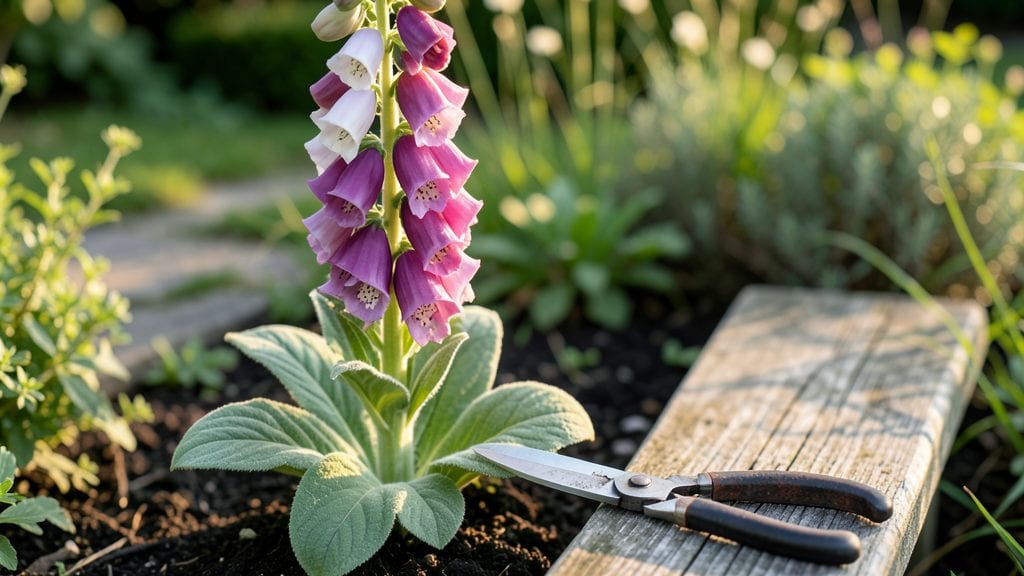
Deadheading foxglove plants keeps those tall, dramatic spikes blooming until frost—something I learned the hard way after watching my first batch fade by August. The key is timing and technique, because foxglove isn’t like your average annual.
You’ll need sharp pruners, gloves (foxglove is toxic), and a clear understanding of where to cut without sacrificing next year’s blooms.
Start by snipping off spent flower spikes as soon as they brown, but leave the lower leaves intact—they feed the plant for future growth. I made the mistake of cutting stems too low at first, which weakened my plants.
The goal is to remove only the dead blooms while preserving the sturdy stems that hold next year’s buds. This method works for both biennial and perennial varieties, though biennials may need extra care to rebloom.
By late summer, your foxglove should be putting out fresh spikes from the base, proving the method works. The plants stay lush, the blooms last weeks longer, and you avoid the self-seeding chaos that turns your garden into a foxglove jungle.
Just remember: gloves are non-negotiable, and never cut into green stems unless you’re ready for next year’s flowers to take a nap.
For those who worry about winter dieback, don’t stress—foxglove handles cold beautifully. The real secret is consistency: check your plants weekly after the first frost, and you’ll have blooms ready to greet spring again. Now grab those pruners and let’s keep those spikes showstopping all season.
📚 In This Guide
- What you need
- Instructions
- Tips and common mistakes
- Wrapping up and next steps
What you need
- ○ Gloves (optional but recommended): Heavy-duty gardening gloves to protect against foxglove’s mild sap irritation (nitrile-coated for extra safety).
- ● Disposable pruning bags or bucket: A 5-gallon bucket or mesh bag to collect spent blooms and debris.
- ● Garden twine or rubber bands: For tying up leggy stems post-pruning (if needed).
- ● Hand lens (3x–10x magnification): Helps spot hidden buds or pests before pruning.
- ● Rubbing alcohol (70% isopropyl): Sterilize tools between cuts to prevent bacterial/fungal hitchhikers.
- ● Compost bin or bin liner: For repurposing foxglove debris (avoid composting if diseased).
- ● Plant marker or labels: If you’re reorganizing your garden layout post-prune!
- ● Timing: Deadhead after blooms fade but before seed pods form (late summer to early fall for most varieties).
- ● Weather: Choose a dry, overcast day to minimize stress on the plant.
- ● Plant health: Wait until at least 50% of blooms have faded—don’t over-prune!
Instructions for deadheading foxglove plants
Revive your foxglove blooms with this simple, effective technique that keeps them flowering all season.
Identify and Remove Spent Blooms
Start by examining each flower stalk carefully. Look for blooms that have faded completely—these will feel dry to the touch and may even begin to brown. Use clean, sharp pruners or your fingers to pinch off the spent bloom just above the next set of leaves or buds. This encourages the plant to redirect its energy toward new growth rather than seed production.
I always work in the morning when the blooms are fully open, making it easier to spot which flowers have finished. Avoid cutting into healthy stems or green buds, as this can weaken the plant. If you're unsure whether a bloom is truly spent, wait another day before deciding—sometimes foxgloves linger in their final stage for a while.
Prune Leggy or Overgrown Stems
After removing spent blooms, check the overall shape of your foxglove. If stems have grown too tall or leggy, trim them back by about one-third of their height. Use clean pruners to make a diagonal cut just above a set of healthy leaves or buds. This promotes bushier growth and prevents the plant from becoming top-heavy.
Leggy stems often appear after the first flush of blooms, especially in early summer. Cutting them back at this stage helps the plant recover and may even trigger a second round of flowers later in the season. Avoid cutting into woody stems, as foxglove can be sensitive to heavy pruning once the stems harden.
Fertilize and Water for Recovery
After deadheading, give your foxglove a light feeding with a balanced, water-soluble fertilizer diluted to half strength. This provides the nutrients needed for new growth without overwhelming the plant. Water the soil thoroughly to help the fertilizer absorb into the roots, ensuring the top 2-3 inches of soil are evenly moist.
Foxgloves prefer consistent moisture but can suffer from root rot if overwatered. Let the top inch of soil dry out slightly between waterings, especially in humid conditions. Mulching around the base with 1-2 inches of organic matter (like shredded bark or compost) helps retain moisture and keeps roots cool.
Monitor for New Growth
Within 7-10 days, you should see signs of new buds forming at the base of the plant. Keep an eye out for fresh green growth and small flower spikes emerging from the foliage. If you notice any yellowing leaves or wilting, adjust your watering or check for pests like aphids, which can stress the plant.
Deadheading foxglove isn’t just about extending the blooming season—it’s also about keeping the plant healthy. Regular pruning prevents disease by improving air circulation, and it encourages a fuller, more vibrant plant. With consistent care, your foxglove can reward you with flowers well into fall.
Tips & tricks for perfect foxglove revival
Reviving foxglove plants through deadheading is all about timing, technique, and attentive care—here are the secrets to keeping your plants thriving.
Timing is Everything: The best time to deadhead foxglove is in the morning when blooms are fully open. This makes it easier to identify truly spent flowers versus those that might still have a day or two of life. I’ve found that working in the morning also means you can complete the process before the heat of the day stresses the plant further. If you’re unsure about a bloom, wait another day—foxgloves often linger in their final stage longer than you’d expect.
Precision Pruning Pays Off: When trimming leggy stems in Step 2, focus on making clean, diagonal cuts just above a set of healthy leaves or buds. This technique promotes bushier growth and prevents the plant from becoming top-heavy. I learned this the hard way after over-pruning and noticing weaker regrowth. Avoid cutting into woody stems, as foxglove is sensitive to heavy pruning once the stems harden—this can stunt new growth or even harm the plant.
Fertilizer and Watering Wisdom: After deadheading, the diluted fertilizer (half-strength) is key to providing nutrients without overwhelming the plant. Watering thoroughly to moisten the top 2-3 inches of soil ensures the fertilizer absorbs properly. But here’s the thing: foxgloves prefer consistent moisture but hate soggy roots. Let the top inch of soil dry out slightly between waterings, especially in humid conditions. Mulching with 1-2 inches of organic matter helps maintain even moisture and keeps roots cool—this small step makes a big difference in preventing stress.
Monitoring for New Growth: Within 7-10 days, you should see fresh green growth and new buds forming. If you notice yellowing leaves or wilting, it’s often a sign of overwatering or pests like aphids. I’ve found that a quick check for pests after deadheading can save a lot of trouble later. Adjust your watering routine if needed, and keep an eye out for those early signs of new growth—they’re a great indicator that your foxglove is recovering well.
Pro Tips for Deadheading Foxglove Plants
- Reviving foxglove plants through deadheading is all about timing, technique, and attentive care—here are the secrets to keeping your plants thriving.
- Timing is Everything: The best time to deadhead foxglove is in the morning when blooms are fully open.
- Precision Pruning Pays Off: When trimming leggy stems in Step 2, focus on making clean, diagonal cuts just above a set of healthy leaves or buds.
Frequently asked questions
Got questions about deadheading foxglove?
Here are some of the most common ones—plus quick, practical answers to keep your plants thriving!
When is the best time to deadhead foxglove?
Deadhead foxglove after the blooms fade but before seed pods form (typically mid-summer to early fall). This encourages a second flush of flowers and prevents self-seeding. Avoid cutting back in late fall—foxglove is a perennial and needs time to store energy for next year!
How much should I trim when deadheading?
Trim spent flower spikes just above the first set of healthy leaves or where new buds may form. Avoid over-pruning—foxglove is delicate. If you’re reviving a leggy plant, you can lightly prune some stems, but never cut more than 1/3 of the foliage at once.
Will deadheading foxglove make it bloom again?
Yes! Deadheading removes spent blooms, redirecting the plant’s energy toward new growth and a possible second bloom cycle. For best results, pair it with regular watering and well-draining soil. Some varieties (like Digitalis purpurea) may rebloom, while others focus on foliage.
What if my foxglove doesn’t rebloom after deadheading?
Don’t worry—foxglove is a short-lived perennial (2–3 years max). If it skips reblooming, it may be aging or stressed. Try dividing the plant in early spring or providing richer soil. Overcrowding or poor drainage can also stunt blooms, so ensure it gets at least 4–6 hours of sunlight daily.
Are there alternatives to deadheading for foxglove?
If you prefer a hands-off approach, let the seed pods form—foxglove self-seeds easily! However, this may lead to uncontrolled spread in your garden. Another option is to pinch back stems lightly in early summer to encourage bushier growth, though this won’t replace deadheading for reblooming.
Wrapping up and next steps
Deadheading foxglove plants is your secret weapon for longer, more vibrant blooms—and with just a little effort, you’ll enjoy their striking beauty all season! 🌸 By removing spent flowers, you encourage new growth, prevent seed production, and keep your garden looking fresh.
Whether you’re a seasoned gardener or just starting, this simple task makes a huge difference.
Ready to transform your garden? Grab your pruners and give it a try today—your foxgloves (and future blooms!) will thank you. 🌿 For extra tips, check out our FAQ section or explore other pruning techniques to keep your garden thriving!