
Pruning
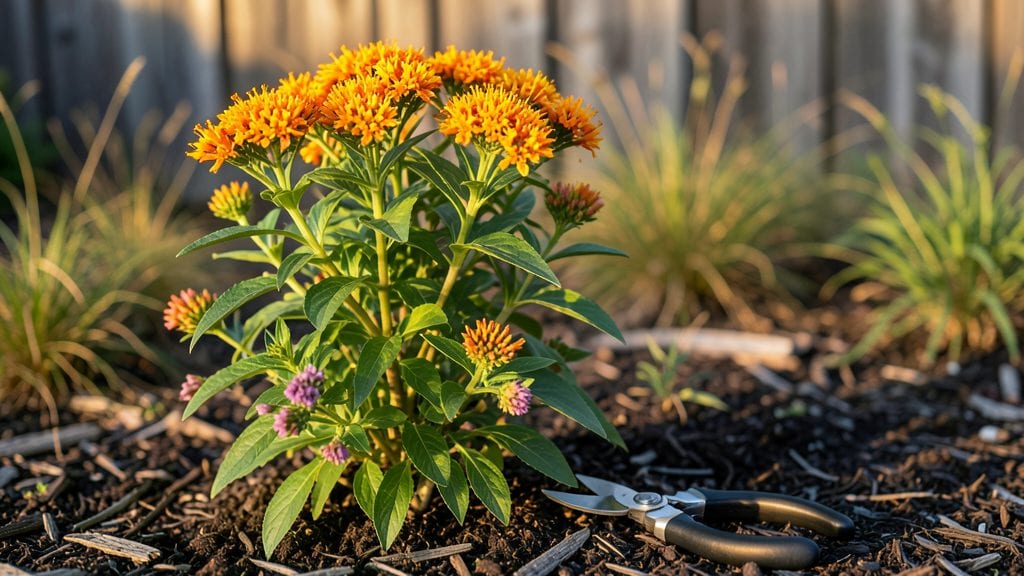
Trimming lantana plants isn't just about keeping them tidy—it’s the secret to those nonstop blooms that make neighbors stop and stare. 🌺 I’ve turned my once-lanky lantana into a flowering powerhouse by mastering just three simple cuts, and the difference is shocking.
The key? Timing and technique—cut too late, and you’ll sacrifice next year’s flowers.
You only need a few things: sharp bypass pruners (dull blades tear stems), a bucket for clippings, and a sunny day when the plant’s finished its current bloom cycle. Lantanas are tough—they bounce back from even aggressive pruning, so don’t be shy.
My overgrown 4-foot monster now stays compact and blooms year-round with just 10 minutes of work every 6 weeks.
After trimming, you’ll see fresh green growth within days, and new flower buds forming within weeks. The plant fills out denser, resists pests better, and produces more vibrant blooms than before.
The best part? You can shape it into a hedge, a bush, or even a sprawling ground cover—lantanas take direction like a pro.
Works for container plants, garden beds, or even those wild lantanas that take over fences. Here’s how to do it without a single dead stem in sight—promise.
📚 In This Guide
- What you need
- Instructions
- Tips and common mistakes
- Wrapping up and next steps
What you need
- ● Pruning shears or bypass pruners – Choose sharp, bypass-style shears (not anvil) for clean cuts. Size: 6-8 inches for medium branches.
- ● Loppers – For thicker stems (½ inch or larger). Look for: Bypass blades and comfortable grips.
- ○ Gloves – Garden gloves (heavy-duty) to protect from thorns and sap. Optional: Nitrile-coated for extra grip.
- ● Disinfectant (70% isopropyl alcohol or bleach solution) – Clean tools between cuts to prevent disease spread. Mix: 1 part bleach + 9 parts water.
- ● Trimming saw (if needed) – For stubborn, woody stems. Type: Pruning saw with fine teeth.
- ● Buckets or bags – 1-2 5-gallon buckets or heavy-duty trash bags for clippings (lantana debris can be invasive—don’t compost!).
- ● Water and spray bottle – A 1-gallon spray bottle with water to mist cuts and encourage healing.
- ● Hand pruners (for small stems) – Compact and easy for detail work.
- ● Knee pads – If your lantana is ground-level or you’ll be kneeling for extended periods.
- ● Plant food or fertilizer – A balanced 10-10-10 or bloom booster to reward your plant post-prune.
- ● Safety glasses – Protect your eyes from debris, especially if sawing.
- ● Notebook & pen – To sketch your plant’s shape or track growth patterns.
Step-by-step instructions for trimming lantana plants
Here's how I keep my lantana blooming like crazy all season with just a few simple cuts.
✂️ Step 1: Prune Back Leggy Growth Early in Spring
Start by removing any long, bare stems that grew last season. These are the ones that look like they're reaching for the sky with sparse leaves at the tips. Cut them back to just above a leaf node or a side branch—this is where new growth will sprout. I like to use clean, sharp pruners to make clean cuts that heal faster.
This is the moment that matters: if you wait until summer, those leggy stems will never recover their bushy shape. Look for stems that are more than 6-8 inches taller than the rest of the plant—those are your targets. Don't worry about removing too much; lantana is tough and will bounce back with thick, new growth.
✂️ Step 2: Trim Dead or Overcrowded Stems Throughout Summer
As the plant grows, you'll notice some stems getting too crowded or developing dead flowers. Snip these off at the base where they meet the main stem. The key here is to cut back to a healthy leaf or bud—never leave stubs. I make it a habit to check my lantana every 2-3 weeks during peak growing season.
Watch for stems that are rubbing against each other or growing inward—these will eventually break or block sunlight from reaching the center. When you see brown, crispy flowers or stems with no leaves, those are your signals to trim. This keeps air circulating and prevents disease from setting in.
✂️ Step 3: Lightly Shape After Blooming Season
Once the flowers start fading in late summer or early fall, give your lantana a final light shaping. I focus on maintaining a rounded shape by cutting back any stems that are growing too long or too thin. Aim to keep the plant's height and width balanced—lantana naturally grows bushy, but it needs a little guidance.
Cut back one-third of the longest stems to encourage fresh growth before winter. Avoid heavy pruning now—you want to give the plant enough time to recover before colder weather sets in. If you live in a warm climate, you can keep blooms going all year with light maintenance trims.
Tips & tricks for perfect lantana plant trimming
Here's what nobody tells you about keeping your lantana thriving—these tricks will transform your plant from scraggly to spectacular.
Timing is Everything: Don't wait until summer to tackle those leggy stems—spring is your golden window. I've seen plants that looked hopeless after summer pruning, but the same plants bounced back beautifully when pruned in early spring. Those 6-8 inch stems are your first priority, and cutting them back early prevents that "reaching for the sky" look that kills the bushy shape.
Clean Cuts Heal Better: Always use clean, sharp pruners and make cuts just above a leaf node or side branch. I learned this the hard way when I left stubs—those little nubs invite disease and slow down new growth. Think of it like giving your plant a fresh haircut; clean lines mean faster healing and thicker foliage. A quick wipe of your pruners with rubbing alcohol between cuts keeps everything sanitized.
Seasonal Checklist: Your 2-3 week summer maintenance schedule is non-negotiable for airflow. I mark my calendar every 14 days during peak season to check for stems rubbing together or brown flowers. This isn't just about looks—proper airflow prevents fungal issues that can silently kill your plant. Pro tip: Early morning is the best time to trim, as the plant is fully hydrated and cuts heal faster.
Winter Prep Strategy: When you cut back one-third of the longest stems in fall, focus on the healthiest stems to encourage new growth. I've seen gardeners over-prune in winter and end up with sparse plants come spring. The key is balance—you want to shape without shocking the plant. If you live in a warm zone, light trims can keep blooms going year-round, but never remove more than 25% of the plant's volume at once.
Pro Tips for Trimming Lantana Plants
- Here's what nobody tells you about keeping your lantana thriving—these tricks will transform your plant from scraggly to spectacular.
- Timing is Everything: Don't wait until summer to tackle those leggy stems—spring is your golden window.
- Clean Cuts Heal Better: Always use clean, sharp pruners and make cuts just above a leaf node or side branch.
Frequently asked questions
Got questions about trimming your lantana plants? You’re not alone!
Here are answers to the most common concerns—from timing to troubleshooting—to keep your lantana thriving and blooming beautifully.
When is the best time to trim lantana plants?
Trim lantana in early spring (before new growth starts) or after heavy blooming (late summer/fall). Avoid pruning in extreme heat or cold—lantana needs time to recover. Light trims can happen year-round, but major pruning should wait for milder seasons.
How much can I cut back lantana without harming it?
Lantana is tough! You can safely prune up to ⅓ of the plant’s height at once. For bushier growth, trim back 10-25% of the stems. Over-pruning (cutting >50%) may stress the plant, but lantana often bounces back—just avoid scalping it to bare wood.
What should I do if my lantana looks leggy after trimming?
Leggy growth happens when pruning cuts are too high or the plant isn’t getting enough light. Solution: Pinch back the tips of new growth to encourage branching, and ensure your lantana gets 6+ hours of sunlight daily. A light fertilizer (low nitrogen) can also promote denser foliage.
Can I propagate lantana from trimmings?
Yes!
Use 4-6 inch cuttings from healthy stems (just below a leaf node). Remove lower leaves, dip in rooting hormone (optional), and plant in moist potting mix. Keep the soil damp and place in bright, indirect light. Roots should form in 2-4 weeks—perfect for free new plants!
Will trimming lantana attract more bees or pests?
Lantana’s bright flowers already attract pollinators like bees and butterflies—trimming can actually increase blooms (and thus more visitors)! However, avoid heavy pruning in peak bloom season if you rely on the flowers for wildlife. Deadhead spent blooms to encourage continuous flowering without overstressing the plant.
Still stumped? Drop your lantana trimming dilemmas in the comments—we’re happy to help!
Wrapping up and next steps
Trimming your lantana plants doesn’t have to be intimidating—it’s all about timing, technique, and a little patience! 🌿 By following the three-step guide above, you’ll encourage vibrant blooms, maintain a healthy shape, and keep those pesky overgrowth issues at bay.
Remember, regular pruning is key to a thriving lantana that rewards you with endless color all season long.
Ready to give your lantana the TLC it deserves? Grab your shears, pick a sunny day, and get pruning! Your garden—and your plants—will thank you. 🌸 For even more tips, check out our pruning calendar to stay on track year-round.