
Pests
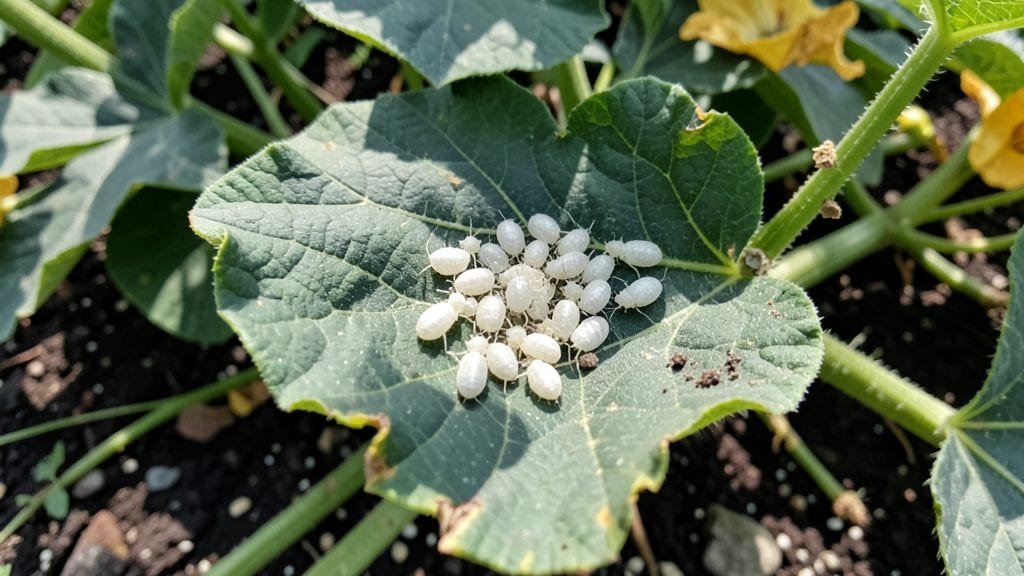
Those pesky white bugs on the pumpkin plants are driving you crazy? Squash bug nymphs—and they’ll flatten your vines if you wait too long.
I’ve watched entire patches of pumpkins collapse from these pests, but I’ve also learned the 3-step fast fix that stops them in their tracks before they spread.
The problem starts small: clusters of white, oval-shaped bugs on the undersides of leaves. They suck sap, leaving yellow spots that multiply into wilting vines. Most gardeners panic when they see the damage, but the key is acting within 48 hours—that’s when these bugs are most vulnerable to control.
You’ll crush the infestation by combining a soapy water spray (mix 1 tablespoon dish soap with 1 quart water) with neem oil for extra protection. Spray leaves thoroughly at dawn or dusk when bugs are active, and repeat every 3-5 days until they disappear.
The best part? Your pumpkins will bounce back faster than you think.
This method works for squash, zucchini, and cucumbers too—anything these bugs target. The secret is consistency, not chemicals. Let’s get those vines healthy again before harvest season slips away.
Common Culprits Behind White Bugs
When you spot tiny white bugs on your pumpkin plants, they’re usually one of three common pests—each with its own triggers. Understanding why they show up helps you stop them before they wreck your harvest.
Let’s break down the science behind their appearance and how your garden might be inviting them in.
These are the most likely culprits—squash bug nymphs—and they’re the immature stage of the dreaded squash bug. Here’s why they target pumpkin plants:
- Host Plant Preference: Squash bugs (and their nymphs) love cucurbit plants like pumpkins, squash, and cucumbers. These plants release volatile organic compounds (VOCs) when stressed (e.g., drought, overwatering, or damage), which act like a dinner bell to pests.
- Overcrowded Gardens: If your pumpkin plants are packed too closely, they create microclimates with high humidity and poor airflow—perfect breeding grounds for squash bug eggs. Adults lay eggs in clusters on the undersides of leaves, and nymphs emerge within days.
- Weedy Borders: Squash bugs overwinter in leaf litter, weeds, or garden debris. If your pumpkin patch borders wild cucurbits (like buffalo gourd) or dense mulch, adults migrate in spring to feast on your crops.
- Water Stress: Underwatered or recently watered plants attract squash bugs because their phloem-sucking feeding is easier when sap flow is disrupted. A quick soak followed by dry soil = pest paradise.
Pro Tip: 💡 Check leaf undersides at dawn—nymphs are most active then, and you’ll spot their flat, oval eggs (like tiny white footballs) before they hatch.
While squash bug nymphs are the top pest, aphids (especially the melon aphid) can also appear as tiny white clusters. Here’s why:
- New Growth Magnet: Aphids swarm to tender new leaves and vines because their stylets (mouthparts) can’t pierce mature, waxy plant tissue. Pumpkins produce rapid growth in warm weather, making them a buffet.
- Honeydew Feedback Loop: Aphids excrete honeydew, a sticky sugar waste that attracts sooty mold. This mold blocks sunlight, stressing the plant further—triggering it to release more VOCs, which attracts even more aphids.
- Ant Allies: Aphids form mutualistic relationships with ants, which "farm" them for honeydew. If you see ants tending to white bugs, they’re protecting their aphid "livestock."
- Cool, Damp Conditions: Aphids thrive in 50–80°F temperatures with high humidity. Early spring or late fall plantings in shaded areas create ideal conditions.
Pro Tip: 🌡️ Monitor temperature swings—aphids explode in numbers when nights stay above 60°F but days are mild.
Not all white bugs are insects—some are actually pupae of fungal gnats, which go through a white, worm-like stage before becoming flying adults. Here’s how they end up on pumpkin plants:
- Overwatered Soil: Fungal gnat larvae thrive in wet, organic-rich soil. If your pumpkin patch has poor drainage or you’re using excessive mulch, larvae pupate near the base of plants, then crawl upward as adults emerge.
- Compost or Manure Use: Fresh compost or animal manure provides the decaying organic matter larvae need to feed. If you’ve recently amended soil, gnat populations can spike.
- Shaded or Container-Grown Plants: Fungal gnats prefer low-light conditions. Pumpkins in containers or shaded by taller plants create microhabitats where gnats complete their life cycle undisturbed.
Pro Tip: ✨ Tap pupae into soapy water—they’re harmless to plants but annoying. Focus on drying out the soil to break their life cycle.
Now that you know why these pests target your pumpkins, the next step is actionable fixes to kick them off for good. 🚀
Quick Fixes for Pumpkin Plant Pests
If you’ve spotted tiny white bugs nibbling away at your pumpkin plants, don’t panic—these squash bug nymphs can be tackled with the right approach! The key is acting fast and targeting the root of the problem.
Below, we’ve broken down practical, step-by-step solutions tailored to the most common causes of infestations, from organic remedies to preventive measures. Let’s get your pumpkins back on track!
Before diving into fixes, confirm what you’re dealing with. Squash bug nymphs are pale white or grayish with black legs and antennae, often clustering under leaves.
If you’re unsure, check for: - Adult squash bugs (brown, shield-shaped, about ½ inch long). - Eggs (yellow or pale green, laid in clusters on leaf undersides). - Damage signs: Wilting vines, chewed leaves, or blackened stems.
🔥 Hand-Picking Nymphs (Best for Small Infestations)
- Timing is everything: Early morning or late evening when bugs are sluggish.
- Dress the part: Wear gloves and a hat to avoid direct contact with the pests.
- Drop them in soapy water: Fill a bucket with water and a few drops of dish soap. Squash bug nymphs dissolve instantly—no need for harsh chemicals!
- Check daily: Repeat every 2–3 days until the infestation is gone.
🍳 Neem Oil Spray (Safe and Effective)
Neem oil disrupts the bugs’ life cycle and repels them naturally. How to use it: 1. Mix 1–2 tablespoons of neem oil with 1 teaspoon of mild liquid soap (like Castile soap) in 1 quart of water.
- Add a few drops of horticultural oil (optional, for better coverage).
- Spray thoroughly on the top and bottom of leaves, focusing on clusters of nymphs.
- Reapply every 5–7 days or after rain.
✨ Pro Tip: Spray in the early morning or late afternoon to avoid harming beneficial insects like ladybugs.
🔥 Row Covers (Preventative Shield)
If you’re planting new pumpkins or have a known squash bug hotspot:
- Use fine mesh row covers (like Agribon) to block adults from laying eggs.
- Secure the edges tightly and remove covers when flowers appear (to allow pollination).
🍳 Beer Traps (Yes, Really!)
Adult squash bugs are attracted to fermenting scents. Here’s how to set one up: 1. Bury a small container (like a plastic cup) in the soil near your plants. 2.
Fill it with beer or a mix of water and sugar (1 cup sugar per gallon of water). 3. Cover the top with plastic wrap and poke small holes for bugs to enter. 4. Check daily and dispose of trapped bugs in soapy water.
💡 Pro Tip: Place traps 1–2 feet away from plants to avoid attracting more pests.
🔥 Crop Rotation (Break the Cycle)
Squash bugs overwinter in garden debris and soil.
To starve them out: - Rotate crops: Avoid planting pumpkins, squash, or gourds in the same spot for 3–4 years. - Remove old vines: After harvest, pull up and destroy any remaining plant debris (don’t compost it!).
🍳 Healthy Soil = Stronger Plants Weak plants attract more pests.
Boost your pumpkins’ defenses with: - Compost or well-aged manure (adds nutrients and improves soil structure). - Mulch with straw or grass clippings (keeps soil moist and deters egg-laying). - Avoid overwatering: Squash bugs love damp soil—water at the base of plants in the morning.
🌡️ Pro Tip: Interplant pumpkins with marigolds or nasturtiums—these flowers repel squash bugs naturally!
If organic methods fail and the infestation is severe, consider pesticides labeled for squash bugs.
Look for: - Insecticidal soap (safe for most plants, reapply every 3–5 days). - Pyrethrin-based sprays (derived from chrysanthemums, kills on contact). - Neonicotinoid sprays (like imidacloprid—use only as a last resort due to potential harm to bees).
⚠️ Warning: Always follow label instructions! Apply in the early morning or late evening when bees are less active.
Stop squash bugs before they start with these easy habits:
- Scout regularly: Check undersides of leaves weekly for eggs or nymphs.
- Encourage predators: Ladybugs, lacewings, and parasitic wasps love squash bugs. Plant dill, fennel, or alyssum to attract them.
- Use reflective mulch: Silver or gold mulch confuses squash bugs and deters them from laying eggs.
- Plant trap crops: Sacrifice a few zucchini or cucumber plants far from your pumpkins—bugs will go for them first!
Squash bug nymphs are persistent, but with consistent action, you can protect your pumpkin patch. Start with hand-picking and neem oil, then layer in preventative measures like crop rotation and trap crops. Before you know it, your pumpkins will be thriving—bug-free and ready for harvest! 🎃💪
Frequently asked questions
What do those tiny white bugs on pumpkin leaves actually look like?
Most are squash bug nymphs—flat, oval, and pale white or gray with black legs and antennae. They cluster on leaf undersides like tiny rice grains. Aphids appear as tiny white cottony masses, while fungal gnat pupae look like white worm-like stages near soil.
Will these white bugs kill my pumpkin plants?
Yes, if left unchecked. Squash bug nymphs suck sap, causing wilting and yellow spots. Severe infestations can kill vines within weeks. Aphids spread sooty mold, blocking sunlight. Act within 48 hours to prevent crop loss.
Can I use dish soap to kill these bugs?
Yes! Mix 1 tablespoon dish soap with 1 quart water and spray directly on bugs. The soap breaks their protective coating. For stubborn infestations, add 1 teaspoon neem oil to the mix. Reapply every 3-5 days.
Why do I keep seeing white bugs even after treatment?
New eggs hatch daily—adult squash bugs lay 30-50 eggs at a time! Check leaf undersides weekly for fresh clusters. Combine treatments: hand-pick nymphs + neem oil + row covers for best results.
Are there natural predators that eat these white bugs?
Ladybugs, lacewings, and parasitic wasps devour squash bug nymphs. Plant dill, fennel, or alyssum nearby to attract them. Even spiders help control aphid populations.