
Lawn
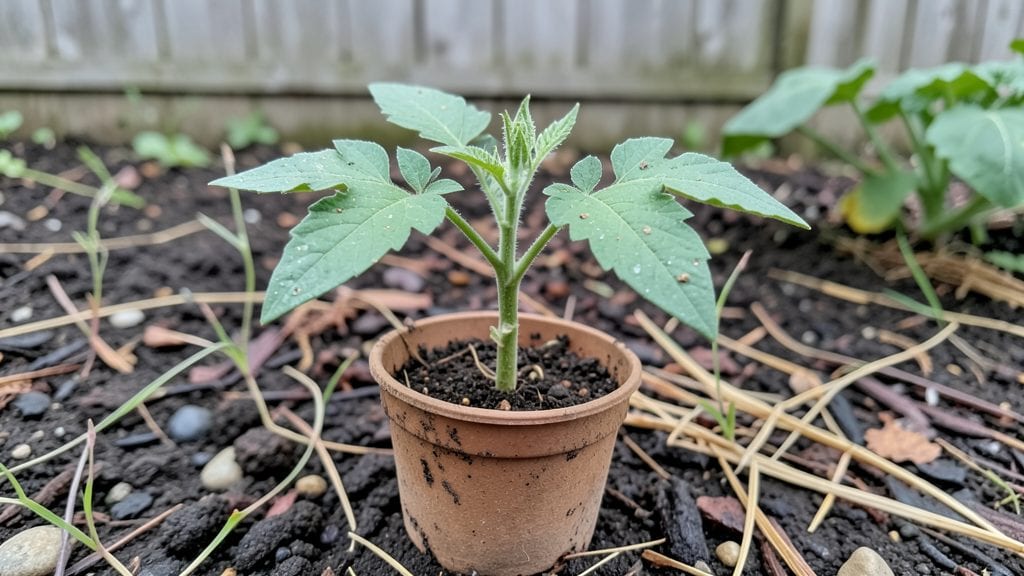
Weather for seed planting depends on soil temperature, frost risk, and humidity levels—cool-season crops like lettuce thrive in 40–50°F soil, while warm-season plants such as tomatoes need 60–80°F. Avoid planting when rain is forecasted or during extreme heat, as both can hinder germination and seedling health.
Timing your seeds right means understanding how each plant family responds to temperature shifts. Cool-season crops like spinach or peas actually prefer cooler weather, germinating best when soil stays below 55°F, while warm-season favorites like peppers and cucumbers won't sprout until soil reaches 70°F or warmer.
Frost is the silent killer—even a light freeze can turn tender seedlings into mushy losses, so always check your local frost-free date. I've learned the hard way that rushing spring planting often means replanting later!
Humidity plays a sneaky role too—too much moisture can drown seeds, while dry conditions cause them to shrink before they even wake up. Morning planting is ideal because it lets seeds soak up moisture without the afternoon sun evaporating it too quickly.
For regions with unpredictable weather, I recommend keeping a seedling heat mat handy—it can give those delicate sprouts the 5–10°F boost they need to break through stubborn soil. 🌱
💡 In This Article
- Optimal Soil and Air Temperatures for Seed Germination
- Seasonal Seed Planting Calendar by Plant Type
Optimal soil and air temperatures for seed germination
Seeds are living organisms that enter a dormant state to survive harsh conditions, but they require precise temperature triggers to break dormancy.
The enzymatic activity inside a seed accelerates at higher temperatures, but too much heat denatures those enzymes—think of it like cooking an egg: 122°F starts the process, but 140°F ruins it.
For most seeds, the ideal germination zone sits between 60–85°F, where enzymes like amylase and protease activate just enough to break down starches and proteins, fueling the seedling's first growth spurt.
Cool-season crops like kale or radishes have evolved to germinate in 40–50°F soil because their natural habitats experience early spring or fall conditions. These seeds produce cold-hardy enzymes that remain active even when air temperatures dip below freezing.
In contrast, warm-season plants like eggplants need 80–90°F soil because their tropical origins demand rapid metabolic activation—below 65°F, their germination rates plummet by 70% or more. The key difference? Cool-season seeds prioritize slow, steady growth to survive frost, while warm-season seeds need a thermal shock to jumpstart development.
Soil moisture retention becomes critical at these temperatures. When soil stays too cold (<40°F), water molecules form rigid ice crystals that prevent seeds from absorbing moisture—imagine trying to drink through a straw frozen shut. Meanwhile, hotter soil (>90°F) causes moisture to evaporate 3x faster, leaving seeds dehydrated.
That's why morning planting works best: soil temperatures are 5–10°F cooler than midday, giving seeds time to hydrate before the sun intensifies. In USDA Zone 5 (where winters hit -15°F), cold-hardy seeds like winter rye can germinate at 32°F, but most vegetables need at least 50°F.
Frost-free periods matter because seedlings are photosynthesis-dependent—they need sunlight to produce energy, but frost kills their delicate leaves. The last frost date in your area isn't just about air temperature; it's about soil temperature lag.
Soil warms 1–2 weeks slower than air, so even if the thermometer reads 55°F, your planting bed might still be 45°F. Brassicas (like cabbage) can handle light frosts, but legumes (like beans) wilt instantly when exposed to 32°F air.
Here's a rule of thumb: Wait until soil stays above 50°F for 5 consecutive days before planting warm-season crops.
Regional variations create exceptions. In Zone 10 (no frost), you can plant tomatoes year-round, but in Zone 3, you might only get a 60-day window between frost dates.
Cold-hardy seeds like spinach or peas can handle 35°F soil, but their germination slows dramatically—expect 14–21 days to sprout instead of the usual 7–10 days. The science? Lower temperatures reduce cell division rates in the radicle (the seed's root), making growth a marathon rather than a sprint. 🌱
Here’s how to test your soil temperature without fancy tools: Push a meat thermometer 2 inches deep—the depth where most seeds germinate. If it reads below 50°F, wait. For warm-season plants, aim for 70°F or higher.
Pro tip: Black plastic mulch can raise soil temps by 5–10°F in just 24 hours, while white mulch keeps it cooler. This trick is a game-changer in Zone 4–6, where spring soil often feels like a freezer.