
Picking
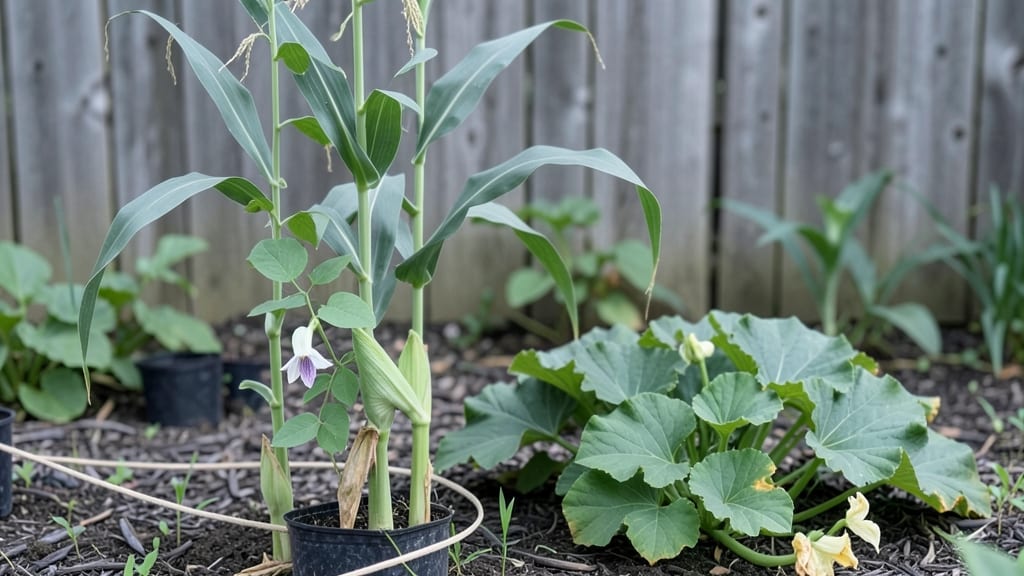
Planting corn, beans, and squash together unlocks a self-sustaining garden ecosystem that thrives while working against pests and soil depletion. 🌽 I first tried this after reading about how Indigenous communities cultivated these "Three Sisters" for centuries—now my backyard produces more with less effort.
The secret lies in their natural partnership: corn provides stalks for beans to climb, beans fix nitrogen in the soil, and squash shades the ground to keep weeds at bay.
You’ll need a sunny patch with well-draining soil, a few basic tools, and patience—this isn’t a quick harvest, but the payoff is shockingly lush. Start with corn seeds planted in hills, then add bean seeds around them, and tuck squash vines between rows.
The spacing matters: corn needs 12-18 inches apart, beans 4-6 inches, and squash 2-3 feet for those sprawling vines. A 5-foot by 5-foot plot can feed a family for months if done right.
By midsummer, you’ll see beans climbing cornstalks while squash leaves spread like a living mulch. The corn will tower over everything, the beans will bloom purple flowers, and the squash will sprawl with heavy fruits.
This isn’t just gardening—it’s rewilding your space with a system that regenerates the soil while you eat. The best part? Fewer pests, less weeding, and a garden that feels alive.
Works in most climates (zones 4-10) with minor adjustments—just watch for late frosts in cooler areas. Once you try it, you’ll never go back to single-crop rows. Here’s how to get started without overcomplicating it.
📚 In This Guide
- What you need
- Instructions
- Tips and common mistakes
- Wrapping up and next steps
What you need
- ● Seeds: Corn seeds (open-pollinated or heirloom varieties, e.g., Golden Bantam or Country Gentleman): 1–2 lbs (per 100 sq ft)
- ● Pole beans (bush beans work too, e.g., Blue Lake or Scarlet Runner): 1–2 lbs (per 100 sq ft)
- ● Squash seeds (summer or winter varieties, e.g., Butternut or Zucchini): ½–1 lb (per 100 sq ft)
- ● Soil: Well-draining, fertile garden soil (amend with compost or aged manure for nutrients)
- ○ Optional: Balanced organic fertilizer (e.g., 5-5-5 or 10-10-10, 1–2 lbs per 100 sq ft)
- ● Garden Space: Minimum 3 ft x 3 ft per plant mound (or a hill system for compact planting)
- ● Full sun exposure (6+ hours/day)
- ● Hand trowel or transplanting spade (for digging and planting)
- ● Garden hose or watering can (with a fine rose nozzle for gentle watering)
- ● Pruners or scissors (for trimming squash vines or beans)
- ○ Garden twine or stakes (optional, for supporting pole beans)
- ● Mulch (straw or leaves) (to retain moisture and suppress weeds)
- ● Gloves (to protect your hands)
- ● Row cover or shade cloth (to protect young plants from pests or harsh sun)
- ● Drip irrigation system (for efficient watering)
- ● Compost tea or liquid fertilizer (for a nutrient boost mid-season)
- ● Trellis or netting (if growing heavy squash varieties)
- ● Journal or garden markers (to track planting dates and varieties)
Step-by-Step instructions for planting the Three Sisters garden
This planting method builds on nature's own ecosystem—corn provides structure, beans fix nitrogen, and squash shades the soil.
🌱 Step 1: Prepare the Planting Area and Soil
Choose a sunny spot with at least 6 hours of direct sunlight daily. The Three Sisters thrive in loose, well-draining soil with plenty of organic matter. Use a garden fork to loosen the top 12 inches of soil, breaking up any compacted layers. This ensures roots can spread freely and water penetrates easily.
Spread a 2-inch layer of compost over the entire area and work it into the top 6 inches of soil. You'll see the difference immediately—the soil will feel lighter and crumbly, almost like cake batter. Avoid fresh manure, which can burn tender roots. If your soil tests acidic, add a handful of wood ash per square foot to balance the pH slightly.
🌿 Step 2: Plant Corn as the Foundation
Corn is the backbone of this system, so plant it first in hills spaced 3 feet apart in all directions. Each hill should contain 3-4 corn seeds planted 1 inch deep and 2 inches apart. Thin to the strongest seedling per hill once they reach 6 inches tall—this prevents overcrowding and ensures each plant gets enough nutrients.
Here's the thing—corn needs space to grow tall and sturdy. If you're planting multiple hills, leave that 3-foot gap between each. You'll see the corn emerge in 7-14 days, with the first true leaves unfolding shortly after. Water gently after planting to settle the soil around the seeds, but don't overdo it—soggy soil can rot them before they sprout.
💧 Step 3: Plant Beans Alongside the Corn
Wait until the corn reaches 6-8 inches tall before planting beans. This gives the corn enough height to provide shade and support for the climbing beans. Plant 4-5 bean seeds around the base of each corn hill, spacing them 4-6 inches apart and 1 inch deep. The beans will naturally intertwine with the corn stalks as they grow.
Beans are nitrogen-fixers, meaning they pull nitrogen from the air and deposit it into the soil where the corn and squash can use it. You'll see the first bean sprouts in 7-10 days, with vines appearing shortly after. Water the beans gently but consistently—they prefer evenly moist soil but hate soggy roots. Mulch around the base with straw to retain moisture and suppress weeds.
☀️ Step 4: Add Squash as the Living Mulch
Plant squash seeds 1-2 inches deep around the outer edges of the corn and bean hills, spacing them 3-4 feet apart. Squash spreads wide, so give it room to grow. The large leaves will eventually shade the soil, keeping it cool and moist while suppressing weeds. This is the moment that matters—the squash acts as a living mulch, protecting the soil and reducing evaporation.
You'll see squash seedlings emerge in 5-10 days, with broad leaves unfurling quickly. Thin to the strongest seedling per spot once they reach 3-4 inches tall. Water at the base of the plants, avoiding the leaves to prevent fungal diseases. The squash will spread outward, creating a natural barrier that keeps weeds at bay and retains soil moisture.
⏰ Step 5: Maintain the Garden Through the Season
Water the entire garden 1-2 inches per week, aiming for the soil rather than the leaves to prevent disease. The Three Sisters work together to conserve water—corn provides shade, beans fix nitrogen, and squash retains moisture. You'll see this harmony in action as the plants grow stronger and healthier than if planted separately.
Fertilize lightly with compost tea or a balanced organic fertilizer every 4-6 weeks to support growth. Watch for pests like corn earworms or squash bugs—handpick them early to protect your harvest. By mid-summer, you'll have a thriving garden where each plant supports the others, leading to a bountiful harvest of corn, beans, and squash.
Tips & tricks for perfect Three Sisters garden planting
These simple strategies will help you create a thriving ecosystem that yields abundant harvests with minimal effort.
Soil Preparation Secret: Don't just loosen the top 12 inches of soil—pay special attention to breaking up any compacted layers deeper down. I've found that using a broadfork (a pronged garden fork) works better than a regular fork for this. The goal is to create a fluffy, almost airy texture that mimics the natural forest floor these plants evolved in. Once you've loosened the soil, walk away and let it settle for a day before planting—this helps prevent seed displacement.
Corn Planting Precision: When creating your corn hills in Step 2, make sure each hill is perfectly round with a slight depression in the center. This creates a natural water catchment that keeps seeds moist during germination. I've learned the hard way that planting too many seeds per hill (more than 4) leads to overcrowding, so stick to the 3-4 seeds guideline. After thinning, use the pulled seedlings as microgreens—they're delicious!
Bean Planting Timing: The 6-8 inch height guideline for corn before planting beans is crucial, but here's the thing—wait until you see the first tassels forming at the top of the corn plants. This ensures the corn has enough energy to support both its own growth and the climbing beans. I've noticed that planting beans too early can stunt both crops as they compete for resources. Once planted, gently weave bean vines around the corn stalks as they grow to create natural trellises.
Squash Planting Strategy: In Step 4, when planting squash seeds 1-2 inches deep, consider using a small hand trowel to create individual planting holes rather than just scattering seeds. This makes it easier to thin seedlings later and prevents overcrowding. I've found that planting squash seeds in a circular pattern around the corn hills creates a natural windbreak that protects the more delicate corn plants from strong breezes.
Pro Tips for Corn Beans Squash Planting
- These simple strategies will help you create a thriving ecosystem that yields abundant harvests with minimal effort.
- Soil Preparation Secret: Don't just loosen the top 12 inches of soil—pay special attention to breaking up any compacted layers deeper down.
- Corn Planting Precision: When creating your corn hills in Step 2, make sure each hill is perfectly round with a slight depression in the center.
Frequently asked questions
Got questions about growing your own Three Sisters Garden? You’re not alone! Here are some of the most common queries—and their answers—to help you plant with confidence.
When is the best time to plant corn, beans, and squash together?
The key is timing! Plant corn first (after the last frost, when soil is warm) as its stalks will support the beans. Sow beans 1–2 weeks later—they’ll climb the corn. Finally, add squash seeds 2–3 weeks after beans, spacing them 3–5 feet apart to shade the soil and deter weeds. Pro tip: Use a soil thermometer—corn thrives in soil above 60°F (15°C).
How long does it take for the Three Sisters to grow and produce?
Patience pays off! Corn typically matures in 60–100 days, beans in 50–60 days, and squash in 70–100 days, depending on the variety. Harvest corn when silks turn brown and kernels are milky. Pick beans when pods are firm and squash when rinds harden. Fun fact: Squash acts as a living mulch, suppressing weeds until harvest!
What if I don’t have space for all three—can I grow just two?
The Three Sisters work in pairs too. Corn + beans is classic—beans fix nitrogen for the corn. Beans + squash also thrive together, with squash vines protecting beans from pests. Skip squash? Plant sunflowers instead—they’ll attract pollinators and add height. Space-saving tip: Use trellises for beans or compact squash varieties like ‘Eight Ball.’
How do I keep pests away from my Three Sisters Garden?
Nature’s teamwork helps! Plant basil or marigolds nearby to repel pests like squash bugs. Interplant onions or garlic to deter corn earworms. Handpick pests early (like cucumber beetles) and use row covers for squash flowers. Prevention pro: Rotate crops yearly to break pest cycles—never plant the Three Sisters in the same spot two years in a row.
Can I grow the Three Sisters in containers or small spaces?
Yes! Choose bush varieties (like ‘Golden Bantam’ corn or ‘Blue Lake’ beans) and compact squash (e.g., ‘Table Queen’). Use 5-gallon buckets for corn (1 plant per container) and hanging baskets for beans. For squash, opt for container-friendly types like ‘Patty Pan’ and place pots on a trellis or patio. Space hack: Grow microgreens or herbs between plants to maximize yield!
Wrapping up and next steps
Growing the Three Sisters—corn, beans, and squash—is more than just gardening; it’s a timeless tradition that rewards patience with a bountiful, sustainable harvest. 🌱 By following these steps, you’ll create a thriving ecosystem that benefits your plants, soil, and even your dinner table.
Now that you’re armed with knowledge, it’s time to roll up your sleeves and plant your own Three Sisters garden—watch as nature’s teamwork unfolds before your eyes!
Ready to start? Mark your calendar, gather your supplies, and review the checklist one last time before breaking ground. Happy planting—your future harvest (and hungry pollinators!) will thank you. 🌿