
Watering
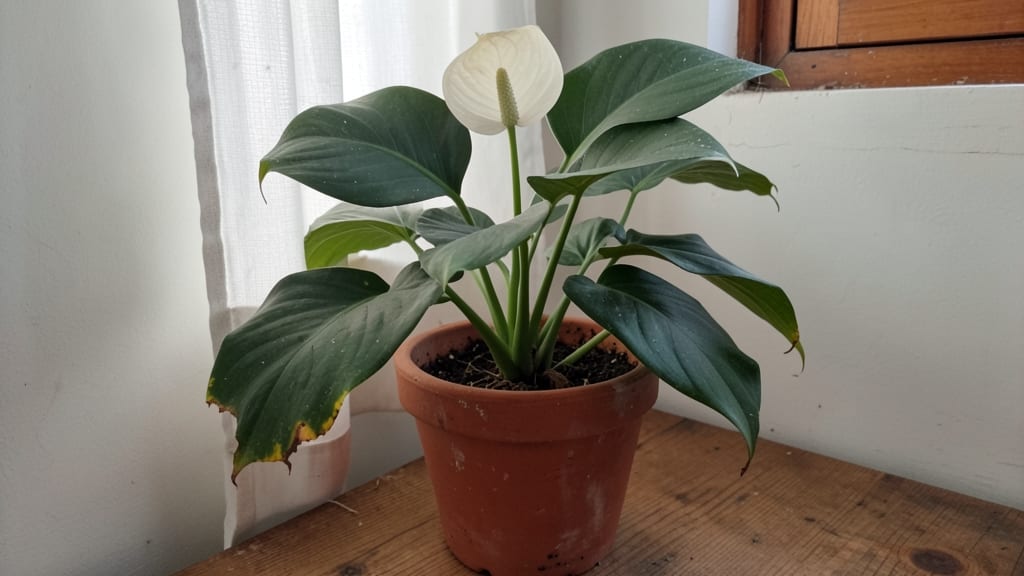
Growing fast vines for privacy screens starts with the right water spout plant—like Antirrhinum majus, or snapdragons, which thrive when you nail the watering rhythm.
I learned the hard way that these vines need consistent moisture but hate soggy roots, and the difference between a lush screen and a leggy mess comes down to timing. The key is keeping soil evenly damp without drowning the roots, especially during their first 6-8 weeks of rapid growth.
Snapdragons are surprisingly adaptable, but they demand at least 6 hours of sunlight daily and well-draining soil mixed with compost. Plant them in early spring or late summer for the fastest results—avoid summer heatwaves, which stress young vines.
A 5-gallon container per plant works well for small spaces, while in-ground plantings need 18-24 inches of spacing to fill out quickly. The secret to their speed? Prune back leggy stems by one-third after flowering to encourage bushier growth and more blooms.
By midsummer, your snapdragons will transform into a vibrant, fragrant privacy screen—taller than most expect, with blooms in shades of pink, purple, and yellow. The foliage stays dense if you deadhead spent flowers regularly, and the vines self-support once established.
Even in partial shade, they’ll grow 2-3 feet tall with proper care, making them a foolproof choice for quick vertical interest. Here’s how to keep them thriving all season.
For container gardens, mix in perlite to prevent root rot, and water at the soil line—not overhead—to avoid fungal issues. Mulch with straw to retain moisture and deter weeds, and watch for aphids, which love snapdragons.
A neem oil spray once a month keeps pests at bay without harming pollinators. Whether you’re filling a fence gap or adding height to a patio, these vines deliver fast, lush results with minimal effort.
📚 In This Guide
- What you need
- Instructions
- Tips and common mistakes
- Wrapping up and next steps
What you need
- ● Water spout plant (Hoya carnosa) – 1 healthy cutting or small plant (3–4 inches tall)
- ● 6-inch or 8-inch pot – Ensure it has drainage holes (terracotta or ceramic preferred)
- ● Well-draining potting mix – 2–3 cups of a blend like cactus/succulent mix or regular potting soil amended with perlite or orchid bark (50/50 ratio)
- ● Gravel or pebbles – ½ cup (for drainage layer at the pot’s bottom)
- ○ Gloves – Optional but helpful for handling soil and sharp edges
- ● Small trowel or spoon – For planting and mixing soil
- ● Watering can or spray bottle – With a fine mist setting
- ● Sunlight access – Bright, indirect light (east or north-facing window ideal)
- ○ Humidity tray or pebble tray – Optional (to boost humidity for faster growth)
Step-by-Step instructions for growing a fast water spout vine privacy screen
Here’s how to create a lush, fast-growing vine screen that thrives in just a few weeks.
Select and Prepare the Right Vine Species
For a fast-growing privacy screen, choose a vigorous vine like morning glory, sweet pea, or trumpet vine, all of which climb aggressively. Morning glory, in particular, produces 3-5 feet of growth per season and blooms prolifically. Start with 4-6 healthy plants spaced 12-18 inches apart along your trellis or fence line.
If using seeds, sow them 4-6 weeks before the last frost date indoors under grow lights for a head start. Transplant seedlings outdoors only after the soil reaches 60°F and all frost risk has passed. Avoid overcrowding—root competition slows growth and weakens the vines.
Install a Sturdy Support Structure
Use a trellis, arbor, or wire mesh fence to guide the vines upward. For a 6-foot-tall screen, install a wooden lattice or PVC trellis with horizontal slats spaced 6-8 inches apart to give vines something to grip. Secure it firmly in the ground with stakes or concrete footings—nothing frustrates faster growth like a flimsy support that sags under weight.
If working with an existing fence, wrap twine or jute twine in a spiral pattern to create handholds for the vines. Train the first growth upward immediately to encourage vertical habit. Without proper support, vines sprawl instead of climbing, wasting energy and delaying the privacy effect.
Plant and Water for Rapid Establishment
Dig holes twice as wide as the root ball but no deeper to prevent waterlogging. Amend the soil with 2-3 inches of compost to improve drainage and nutrient uptake. Place each plant at the same depth it grew in its container, then backfill with soil, pressing gently to eliminate air pockets.
Water deeply right after planting—aim for 1-2 gallons per plant—to encourage root expansion. Keep the soil consistently moist but not soggy for the first 2-3 weeks. You’ll know it’s working when new leaves emerge within 7-10 days. Mulch with 2-3 inches of shredded bark to retain moisture and suppress weeds, which compete for resources.
Prune and Train for Maximum Growth
Once vines reach 12-18 inches tall, begin pruning side shoots to redirect energy upward. Pinch back the top 2-3 inches of the main stem to encourage bushier growth. This technique, called tip pruning, stimulates lateral branches that produce more flowers and foliage, speeding up the privacy effect.
Regularly check for weak or leggy growth—these stems stretch when light is insufficient. If you notice vines leaning away from the trellis, gently weave them back into place. Avoid heavy-handed pruning; light, frequent trims keep the plant vigorous without shocking it. By mid-summer, your screen should be dense enough to block sunlight and provide full privacy.
Fertilize and Maintain for Year-Round Lushness
Apply a balanced, slow-release fertilizer (10-10-10 ratio) at planting and again 6 weeks later to fuel rapid growth. Water deeply after fertilizing to prevent root burn. Throughout the season, side-dress with compost every 4-6 weeks to replenish nutrients. Vines are heavy feeders, so don’t skimp—this is how you get that fast, thick coverage you’re after.
Monitor for pests like aphids or spider mites, which thrive on stressed plants. Spray with neem oil or insecticidal soap at the first sign of infestation. Deadhead spent flowers regularly to encourage continuous blooming and foliage production. With proper care, your water spout vine screen will reach full privacy potential in just 3-4 months.
Tips & tricks for perfect fast-growing vine privacy screens
A few strategic moves will help your water spout vine privacy screen grow faster and stay lush all season long.
Soil Temperature is Everything: The 60°F soil temperature threshold in Step 1 isn't just a recommendation—it's critical for root establishment. Use a soil thermometer to verify before transplanting, especially in cooler climates. If your soil runs cooler, consider using black plastic mulch to warm it up faster. Warmer roots mean faster growth, which is exactly what we're after for that rapid privacy effect.
Support System Secrets: When installing your trellis in Step 2, pay special attention to the 6-8 inch spacing between horizontal slats. This isn't just about aesthetics—it creates the perfect handholds for vines to twine around. For extra stability, add diagonal bracing if you're working with taller screens. I've seen flimsy supports collapse under the weight of aggressive morning glory vines, completely derailing the fast growth we're aiming for.
Watering Wisdom: That 1-2 gallon deep watering right after planting in Step 3 should be your new baseline. But here's the pro move: water in the morning so the soil has all day to absorb moisture before evening evaporation. For the first two weeks, check soil moisture daily—it should feel like a damp sponge, not a wet sponge. Overwatering can suffocate roots just as much as underwatering.
Pruning for Speed: The tip pruning technique in Step 4 is where you'll see the fastest results. When you pinch back those top 2-3 inches, you're not just shaping the plant—you're triggering a growth surge. Do this every 2-3 weeks throughout the growing season, and you'll notice new lateral branches emerging within days. These side shoots produce more leaves and flowers, which means thicker coverage faster.
Pro Tips for Water Spout Plant
- A few strategic moves will help your water spout vine privacy screen grow faster and stay lush all season long.
- Soil Temperature is Everything: The 60°F soil temperature threshold in Step 1 isn't just a recommendation—it's critical for root establishment.
- Support System Secrets: When installing your trellis in Step 2, pay special attention to the 6-8 inch spacing between horizontal slats.
Frequently asked questions
Got questions about growing and caring for water spout plants? You’re not alone! Here are some of the most common queries—and their answers—to help you cultivate lush, thriving vines with ease.
How fast do water spout plants grow?
Water spout plants are fast growers—expect 12 to 24 inches per year under ideal conditions (full sun, consistent moisture, and well-draining soil). In perfect settings, they can even reach 3 to 5 feet in a single growing season! Prune regularly to encourage bushier growth and control height.
How often should I water my water spout plant?
Keep the soil evenly moist but not soggy. Water deeply 2 to 3 times per week during hot, dry spells, and reduce to once a week in cooler or rainy weather. Mulching helps retain moisture. Yellowing leaves? You might be overwatering—let the top inch of soil dry out between waterings.
Can water spout plants grow in containers?
They thrive in large pots (at least 12 inches deep) with drainage holes. Use a fast-draining potting mix (like cactus or succulent blend) and fertilize monthly during the growing season. Just be ready to prune aggressively—container-grown vines can get leggy without vertical support.
Why are my water spout plant leaves turning yellow?
Yellow leaves usually signal overwatering or poor drainage. Check the roots—if they’re mushy or the soil smells foul, repot in fresh, well-draining soil. Underwatering can also cause yellowing, so ensure consistent moisture. Pro tip: If only the older leaves yellow, it might be natural aging—trim them to encourage new growth!
Do water spout plants need full sun?
Yes! They love full sun (6+ hours daily) for the best growth and vibrant foliage. In hot climates, morning sun + afternoon shade prevents leaf scorch. If grown indoors, place near a south- or west-facing window or use grow lights for 4–6 hours daily.
Wrapping up and next steps
Growing a water spout plant is a fantastic way to add beauty and privacy to your space with minimal effort! These fast-growing vines thrive with the right care—whether you’re a seasoned gardener or just starting out.
With a little patience and the tips you’ve learned, you’ll soon enjoy a lush, green privacy screen that’s both functional and stunning.
Ready to take the next step? Start with a single plant and experiment with training techniques—your garden (or balcony!) will thank you. Happy growing! 🌿✨