Container Gardens
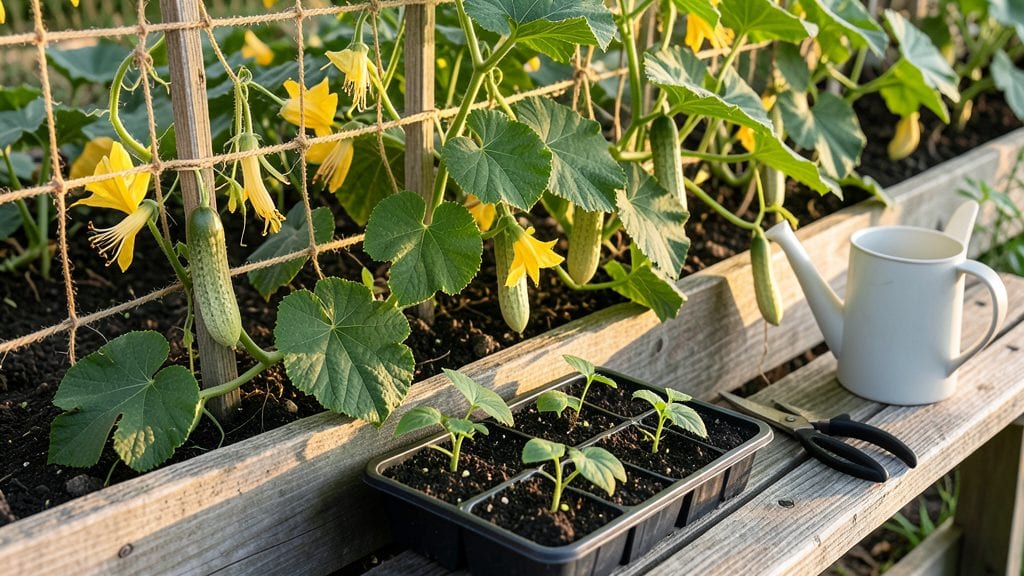
Planting lemon cucumbers in your garden transforms a small space into a zesty harvest powerhouse. 🌱 These compact vines pack a citrusy punch without sprawling like their larger cousins, making them perfect for containers or tight spots.
I learned this the hard way—my first attempt used too much space, and the vines got tangled before producing a single fruit.
The secret to their success lies in rich, well-draining soil mixed with compost and a 5-gallon container for each plant. Lemon cucumbers thrive in full sun (6+ hours daily) but appreciate afternoon shade in hot climates.
Water consistently—keeping soil moist but never soggy—because these vines reward reliability with prolific, bright yellow-green fruits that taste like sunshine.
By mid-summer, you’ll be harvesting 10-15 cucumbers per plant weekly, each bursting with that signature tangy flavor. The key is pruning regularly to encourage bushier growth and trellising the vines to prevent disease. Even my black thumb can’t kill these when given the right conditions.
Works in zones 4-11, from spring through fall, and even overwinters in mild climates. Here’s how to set them up for a harvest that’ll make your neighbors green with envy—literally.
📚 In This Guide
- What you need
- Instructions
- Tips and common mistakes
- Wrapping up and next steps
What you need
- ● Lemon cucumber seeds – Choose a compact variety like 'Lemon Cucumber' or 'Bush Champion' (5-10 seeds per container).
- ● Container – A 5-gallon pot or larger (minimum 12" deep) with drainage holes. Fabric grow bags or self-watering containers work too!
- ● High-quality potting mix – A lightweight, well-draining blend (avoid garden soil). Add compost or worm castings (1 cup per container) for nutrients.
- ● Support structure – A trellis, cage, or sturdy stakes (4-6 ft tall) to encourage vertical growth and prevent sprawling.
- ● Organic fertilizer – A balanced, slow-release fertilizer (5-10-5 or 3-4-6 ratio) or compost tea for organic growth.
- ● Watering can or hose with a gentle nozzle – Lemon cucumbers need consistent moisture (1-2 inches per week).
- ● Hand trowel – For planting and soil adjustments.
- ● Pruning shears – To trim excess vines and encourage bushier growth.
- ● Mulch (straw or shredded leaves) – To retain moisture and suppress weeds.
- ● pH test kit – Ensure soil pH is between 6.0-6.8 (lemon cucumbers thrive in slightly acidic soil).
- ● Shade cloth (if needed) – For hot climates to protect young plants from intense sun.
Step-by-step instructions for planting lemon cucumbers
Here’s the straightforward method I’ve used for years to grow compact, high-yielding lemon cucumber vines—no sprawling mess, just productive plants.
🌱 Step 1: Choose the Right Location and Prepare the Soil
Lemon cucumbers thrive in full sun—at least 6-8 hours daily—so pick a south- or west-facing spot. If your climate runs hot, provide afternoon shade to prevent sunscald on the fruit. Amend the soil with 2-3 inches of compost mixed into the top 12 inches of soil to ensure good drainage and fertility.
These vines are compact but still need room to sprawl, so space plants 18-24 inches apart in rows 3 feet apart. If growing in containers, use 5-gallon pots with drainage holes—lemons cucumbers produce well in pots but need sturdier support than bush varieties. Test soil pH before planting; aim for 6.0-6.8.
🌿 Step 2: Plant Seeds or Transplants at the Right Time
Start seeds indoors 4-6 weeks before your last frost date, or sow directly outdoors after soil warms to 60°F. Lemon cucumbers are sensitive to cold, so wait until nighttime temperatures stay above 55°F. Plant seeds 1 inch deep and 1 inch apart in hills—this encourages strong root systems.
If using transplants, bury them deeper than they grew in pots—up to the first set of true leaves. This promotes root growth and stability. Water deeply after planting to settle the soil and remove any air pockets around the roots. Mulch with 2-3 inches of straw or shredded leaves to retain moisture and suppress weeds.
☀️ Step 3: Provide Support and Consistent Care
Install a 3-4 foot tall trellis or cage at planting time to give vines something to climb. Lemon cucumbers are less aggressive than slicing types but still benefit from vertical support—it improves air circulation and reduces disease risk. Train the main vine along the trellis, pruning side shoots to encourage upward growth.
Water at the base 1-2 inches per week, keeping soil evenly moist but not soggy. Drip irrigation works best—avoid overhead watering, which spreads fungal spores. Fertilize lightly with a balanced 10-10-10 formula when flowers appear, then switch to a low-nitrogen, high-phosphorus feed to boost fruit production.
✂️ Step 4: Prune and Harvest for Maximum Yield
Prune regularly to maintain compact growth—remove any suckers (side shoots) that form in the leaf axils. This redirects energy to fruit production rather than excessive foliage. Thin fruits to 6-8 inches apart once they reach 4-5 inches long to ensure larger, sweeter cucumbers.
Harvest when fruits reach 8-10 inches long and develop a slight yellow tint—this is their peak flavor and texture. Use pruning shears or a knife to cut stems cleanly. Regular harvesting encourages more production, so check plants every 2-3 days during peak season. Store in the fridge for up to 1 week.
🌱 Step 5: Extend the Season with Simple Tricks
To grow lemon cucumbers later in the season, use row covers to protect plants from early frosts. Remove covers during the day to allow pollination. In warm climates, succession plant every 2-3 weeks for a continuous harvest. If growing in containers, move pots to a sheltered spot or greenhouse as temperatures drop.
At season’s end, save seeds from your best cucumbers by allowing one fruit to fully ripen and turn yellow on the vine. Scoop out the seeds, ferment them in water for 3-5 days, then dry on a paper towel before storing in a cool, dark place. This ensures next year’s plants carry the same sweet, tangy flavor.
Tips & tricks for perfect lemon cucumber planting
Here's what I've learned after growing these compact vines for years—small details that make all the difference between a decent harvest and a bountiful one.
Sunlight Strategy: Those critical 6-8 hours of full sun need to be direct sunlight, not filtered through trees. If you're in a hot climate, I recommend installing shade cloth during peak afternoon hours (around 1-4 PM) to prevent sunscald on the fruit while still getting morning sun exposure. The key is balancing light and temperature—too much direct afternoon heat can actually reduce fruit quality.
Soil Temperature Timing: Don't rush planting when soil reaches 60°F—wait until nighttime temperatures consistently stay above 55°F. I've seen many gardeners plant too early and end up with stunted growth. Use a soil thermometer to check—it's worth the investment for these sensitive plants. The roots need warmth to establish properly before the vines start growing rapidly.
Container Considerations: If growing in 5-gallon pots, choose containers with at least 12 inches of depth to accommodate those strong root systems. I've had success with fabric grow bags that allow better drainage than plastic. Remember to place a saucer underneath to catch excess water—these containers dry out faster than in-ground beds, and consistent moisture is crucial for fruit development.
Pruning Precision: When thinning fruits to 6-8 inches apart at the 4-5 inch stage, focus on the healthiest cucumbers with the best shape. I use clean pruning shears to avoid damaging the plant, and always leave a small stem attachment. This encourages the plant to put energy into fewer, higher-quality fruits rather than producing a large quantity of small, bitter cucumbers.
Pro Tips for Planting Lemon Cucumbers
- Here's what I've learned after growing these compact vines for years—small details that make all the difference between a decent harvest and a bountiful one.
- Sunlight Strategy: Those critical 6-8 hours of full sun need to be direct sunlight, not filtered through trees.
- Soil Temperature Timing: Don't rush planting when soil reaches 60°F—wait until nighttime temperatures consistently stay above 55°F.
Frequently asked questions
Got questions about growing lemon cucumbers?
You’re not alone! Here are answers to the most common queries to help you cultivate these zesty, compact vines like a pro.
When is the best time to plant lemon cucumbers?
Plant lemon cucumbers after the last frost when soil temps reach at least 60°F (15°C). For container gardens, start seeds indoors 3–4 weeks before transplanting. In warmer climates, you can plant in early spring or even fall for a second harvest!
How much space do lemon cucumbers need in containers?
These vines are compact but still need room to thrive. Use a container at least 12–18 inches wide and deep for one plant. If growing vertically, a trellis or cage will save space while encouraging upward growth.
What should I do if my lemon cucumbers turn yellow or wilt?
Yellowing leaves often signal overwatering or poor drainage. Let soil dry slightly between waterings and ensure pots have drainage holes. Wilting can also mean underwatering or heat stress—provide shade during peak sun and check moisture levels daily.
Can I grow lemon cucumbers alongside other plants?
Yes! They’re great companions for bush beans, radishes, or lettuce—these plants help deter pests and share nutrients. Avoid planting near potatoes or aromatic herbs (like dill), as they can stunt growth.
How do I know when lemon cucumbers are ripe for picking?
Harvest when they’re bright yellow-green, 2–3 inches long, and slightly firm to the touch. Wait too long, and they’ll turn bitter. Pick regularly to encourage more fruit!
Are lemon cucumbers spicy? Can I substitute them in recipes?
They’re mildly tangy (not spicy!) with a citrusy kick—perfect for salads, pickling, or stir-fries. Swap them 1:1 for regular cucumbers, but taste first! Their unique flavor shines in salsas, gazpacho, or even cocktails.
Wrapping up and next steps
Planting lemon cucumbers is a rewarding way to enjoy fresh, tangy harvests in even the smallest spaces! With their compact vines and easy-care nature, these little powerhouses are perfect for container gardens, balconies, or sunny windowsills.
Whether you're a seasoned gardener or just starting out, their quick growth and delicious flavor make them a must-try.
Now that you’re ready to plant, take the next step—grab your supplies, find that sunny spot, and get growing! Before you know it, you’ll be savoring homegrown lemon cucumbers in salads, snacks, or pickles. Happy planting! 🌱✨