
Trees
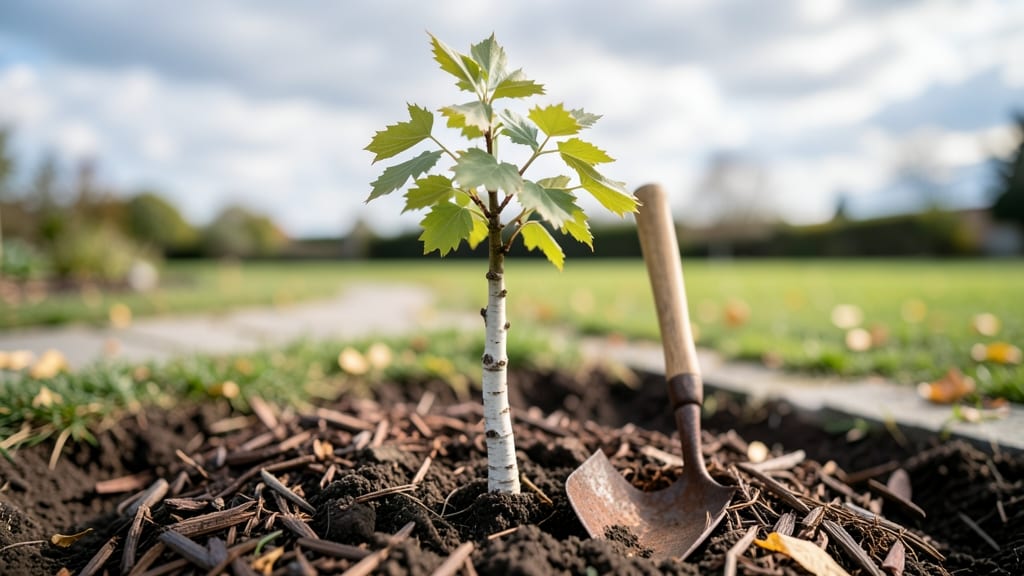
Planting birch trees delivers fast-growing shade with almost no fuss—just the right spot and a little patience. I’ve watched my white bark birch grow 12 inches in a single season, and the secret isn’t some fancy technique.
It’s about matching the tree’s needs to your yard: moist soil, dappled sunlight, and protection from winter winds. Most people overlook the drainage part, but birches hate soggy roots.
The best time to plant is early spring or fall, when soil is workable but not frozen. You’ll need a hole twice as wide as the root ball, a shovel, compost for the bottom of the hole, and a sturdy stake if your area gets windy.
Birches don’t like being crowded, so space them 15–20 feet apart—they’ll spread as they grow. The root flare (where the roots meet the trunk) should sit 1–2 inches above ground level—burying it too deep is a common mistake that kills trees.
After planting, water deeply to settle the soil, then mulch with 2–3 inches of wood chips to keep moisture in and weeds out. Young birches need consistent watering for the first year, especially in hot weather, but once established, they’re drought-tolerant.
The peeling bark and delicate leaves make them a standout, but they’re tougher than they look—just give them the right start, and they’ll reward you with shade and beauty for decades.
These trees thrive in USDA Zones 2–6, so they’re perfect for northern climates. If you’re in a windy area, consider a windbreak or temporary support until the roots take hold.
The key is patience—birches grow fast, but they need time to establish before they hit their full potential. Ready to plant one? Let’s get started.
📚 In This Guide
- What you need
- Instructions
- Tips and common mistakes
- Wrapping up and next steps
What you need
- ● Birch tree seedlings or saplings: Quantity: 1–3 (depending on desired spacing and landscaping goals)
- ● Type: Betula papyrifera (paper birch), Betula pendula (silver birch), or another species suited to your climate zone.
- ● Size: 1–3 feet tall (young saplings establish faster but take longer to mature; larger trees offer instant shade).
- ● Shovel or trowel: A 5–6 inch digging tool for planting holes.
- ● Garden gloves: Heavy-duty to protect your hands from soil and sharp roots.
- ● Mulch: 2–3 inches of organic mulch (e.g., wood chips, shredded bark, or straw) to retain moisture and suppress weeds.
- ● Watering can or hose with a gentle spray nozzle: For thorough watering post-planting.
- ○ Soil amendment (optional but helpful): Compost or peat moss (1–2 gallons) to improve drainage in heavy clay soils.
- ● Sunlight: Full sun to partial shade (6+ hours of sunlight daily for optimal growth).
- ● Soil type: Well-draining, slightly acidic to neutral (pH 4.5–7.5). Birch trees hate soggy roots—avoid low-lying or waterlogged areas!
- ● Spacing: Single tree: 15–20 feet from structures, fences, or other trees.
- ● Multiple trees: 20–30 feet apart for mature canopy spread.
- ● Weather check: Plant in early spring or fall (avoid extreme heat or frost).
- ● Tree support stakes and ties (for young, top-heavy saplings in windy areas).
- ● Soil pH test kit (to confirm ideal conditions).
- ● Tree guard or protective barrier (to deter animals or lawn equipment).
- ● Slow-release fertilizer (balanced 10-10-10 or organic options like fish emulsion).
Step-by-Step instructions for planting birch trees
Here's how to establish these elegant, low-maintenance trees quickly and correctly.
Choose the Right Location and Prepare the Soil
Birch trees thrive in full sun to partial shade, so pick a spot that gets at least 4-6 hours of sunlight daily. They tolerate a variety of soil types but grow best in moist, well-draining soil—avoid heavy clay or waterlogged areas. If your soil is compacted, mix in 2-3 inches of compost from your materials list to improve drainage and fertility.
Dig a hole twice as wide as the root ball but no deeper. Loosen the sides of the hole with a shovel to encourage root spread. Birch trees have shallow roots, so avoid disturbing the surrounding soil too deeply. If planting multiple trees, space them 15-20 feet apart to allow for their mature spread.
Remove the Tree from Its Container and Inspect Roots
Gently squeeze the sides of the container to loosen the root ball before carefully sliding the tree out. If roots are circling tightly, use your fingers to tease them outward—this prevents girdling as the tree matures. Check for any damaged or broken roots and trim them back with clean pruners if needed.
Place the tree in the hole so the top of the root ball sits 1-2 inches above ground level. Birch trees are sensitive to root rot, so proper drainage is critical. If your soil feels dense, add a 1-inch layer of coarse sand or gravel at the bottom of the hole before backfilling with native soil.
Backfill and Water Thoroughly
Fill the hole with the removed soil, pressing gently to eliminate air pockets but avoiding compaction. Water the tree deeply—about 5 gallons—to help settle the soil around the roots. The soil should be moist but not soggy; birch trees dislike waterlogged conditions.
Mulch the area with 2-3 inches of organic mulch, keeping it 6 inches away from the trunk to prevent rot. Water again after mulching to help it settle. In the first year, water once a week if rainfall is less than 1 inch per week, ensuring the soil stays consistently moist but not waterlogged.
Provide Support and Monitor Growth
If your birch tree is young or top-heavy, stake it temporarily to prevent wind damage. Use 2-3 stakes driven 6 inches into the ground on opposite sides of the tree, then loosely tie the trunk to them with soft fabric strips. Remove stakes after 1-2 years once the tree establishes itself.
Watch for signs of stress, like yellowing leaves or wilting, which can indicate overwatering or poor drainage. Birch trees are fast growers, so you’ll see new growth within the first season—prune only to remove dead or crossing branches. Avoid heavy pruning in the first few years, as it can stress the tree.
Tips & tricks for planting birch trees
Planting birch trees successfully comes down to a few key details that make all the difference in their long-term health and growth.
Location and Sunlight: While birch trees tolerate partial shade, I've found they grow most vigorously in spots with at least 6 hours of direct sunlight daily. Early morning sun with afternoon shade works well in hotter climates, but avoid deep shade spots where they'll struggle to establish. If your yard has limited sun, consider a white-barked birch variety like the Paper Birch—they handle shade better than their yellow-barked cousins.
Root Ball Preparation: The way you handle the root ball in Step 2 makes a huge difference in how quickly your tree establishes itself. After loosening the roots, I recommend soaking the root ball in water for 10-15 minutes before planting. This helps hydrate the roots and reduces transplant shock. Also, if you notice any roots growing in tight circles, gently straighten them outward—they'll spread naturally once planted.
Drainage is Non-Negotiable: Birch trees absolutely hate soggy feet. If your soil feels dense or compacted, don't skip the 1-inch sand layer at the bottom of the hole. I've seen too many birch trees fail because people assumed their soil would drain fine. For clay-heavy soils, consider amending the entire planting area with compost rather than just the hole—birch roots will thank you for years to come.
Watering Strategy: The 5 gallons of water mentioned in Step 3 should go directly to the root zone, not the leaves. Use a watering wand or soaker hose to slowly deliver water at the base. In the first year, I check moisture by sticking my finger 2 inches into the soil—if it feels dry, it's time to water. Overwatering is just as harmful as underwatering, so always aim for that "moist but not soggy" consistency.
Pro Tips for Planting Birch Trees
- Planting birch trees successfully comes down to a few key details that make all the difference in their long-term health and growth.
- Location and Sunlight: While birch trees tolerate partial shade, I've found they grow most vigorously in spots with at least 6 hours of direct sunlight daily.
- Root Ball Preparation: The way you handle the root ball in Step 2 makes a huge difference in how quickly your tree establishes itself.
Frequently asked questions
Got questions about planting birch trees? You’re not alone! Here are some of the most common concerns—plus straightforward answers to help you grow a thriving grove with confidence.
How deep should I plant a birch tree?
Dig a hole twice as wide as the root ball but only as deep as the container’s base. Birch trees hate being buried too deep—this can suffocate roots and cause rot. Loosen the soil at the bottom to encourage root spread. Pro tip: If the tree’s soil line is above ground after planting, add a mound of native soil to fill the gap.
When is the best time to plant birch trees?
Spring (after the last frost) or early fall (before hard frosts) are ideal. Avoid planting in extreme heat or drought—birch trees are sensitive to stress during their first year. If you must plant in summer, water deeply 2–3 times per week until roots establish. Fall planting gives roots time to settle before winter, but avoid late fall in cold climates.
Do birch trees need full sun?
Most birch varieties thrive in full sun (6+ hours daily), but they tolerate partial shade (3–6 hours), especially in hot climates. Paper birches (like Betula papyrifera) may develop fewer papery bark layers in deep shade. For best growth, plant in an open area with dappled sunlight—like near other trees or on the edge of a forest.
How often should I water a newly planted birch tree?
Water deeply 2–3 times per week for the first year, aiming for 1–1.5 inches of water per session. After that, reduce to once a week (or more in drought). Overwatering is worse than underwatering—birch roots need well-draining soil. Mulch around the base (but not touching the trunk) to retain moisture and regulate soil temperature.
What are the fastest-growing birch tree alternatives?
If birch trees grow too slowly for your needs, consider these fast-growing shade trees:
- Silver Maple (Acer saccharinum): 3–5 ft/year, loves wet soil.
- Eastern White Pine (Pinus strobus): 1–2 ft/year, drought-tolerant.
- Honey Locust (Gleditsia triacanthos): 3–5 ft/year, thornless varieties available.
- Weeping Willow (Salix babylonica): 5+ ft/year, needs lots of water.
Wrapping up and next steps
Planting birch trees is a rewarding way to add fast-growing, elegant shade to your landscape with minimal effort. Their resilience, striking bark, and low-maintenance nature make them a perfect choice for both beginners and seasoned gardeners.
Whether you're enhancing curb appeal or creating a serene natural space, birch trees deliver beauty and functionality effortlessly.
Now that you’re ready to plant, take the next step—mark your calendar, gather your tools, and watch your yard transform! 🌱 For extra inspiration, explore local nurseries or online resources to find the perfect birch variety for your climate. Happy planting!