
Companion Plants
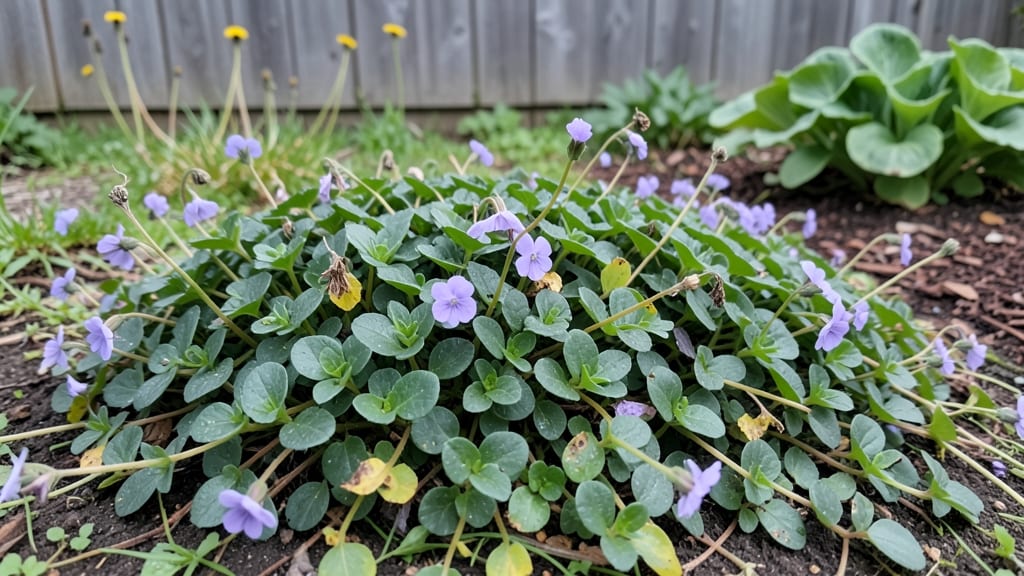
Vinca minor plants transform shady spots into lush, evergreen carpets that outperform anything else in low-light areas. 🌿 I’ve watched this hardy ground cover spread effortlessly under trees where nothing else survives, its glossy leaves staying vibrant even in winter.
The secret is its adaptability—it thrives where most plants struggle, turning forgotten corners into vibrant, low-maintenance landscapes.
You’ll need well-draining soil (even heavy clay works if amended) and minimal fuss—no special fertilizers or constant watering. Vinca minor spreads via underground runners, creating a dense mat that chokes out weeds naturally.
In zones 4-9, it handles frost, drought, and shade like a champ, making it the ultimate lazy gardener’s solution. Just plant in early spring or fall, water lightly until established, and watch it fill in.
The payoff is a carpet of deep green or variegated foliage that stays thick and healthy year-round. Flowers appear in spring, adding delicate purple blooms without requiring extra care.
Prune back leggy stems in early spring to keep it compact, and you’ll have a ground cover that looks intentional, not wild. It’s the kind of plant that makes neighbors ask, “What’s your secret?”
Works under trees, along slopes, or as a living mulch—anywhere grass won’t grow. Even my black thumb can’t kill this stuff. Once established, it’s basically maintenance-free, which is why it’s my go-to for shady spots that need a little magic without the drama.
📚 In This Guide
- What you need
- Instructions
- Tips and common mistakes
- Wrapping up and next steps
What you need
- ● Vinca minor plants: 3–5 nursery-grown plants (spaced 12–18 inches apart) or 1–2 lbs of seeds (if starting from scratch).
- ● Well-draining soil: A mix of topsoil and compost (ratio: 2 parts soil, 1 part compost) for optimal growth.
- ● Mulch: 2–3 inches of organic mulch (e.g., shredded bark or pine needles) to retain moisture and suppress weeds.
- ● Watering can or hose: With a gentle spray nozzle for even moisture distribution.
- ● Garden gloves: A pair to protect your hands from soil and prickly stems.
- ● Hand trowel or transplanting spade: For digging small holes (4–6 inches deep).
- ○ Pruners (optional): Sharp, clean pruners for trimming leggy growth or shaping plants.
- ○ Measuring tape (optional): To ensure proper spacing for a uniform look.
- ● ✅ A shady or partially shady spot (dappled sunlight to full shade; tolerates 3–6 hours of indirect light daily).
- ● ✅ Moist, well-draining soil (Vinca minor hates soggy roots!). Test soil pH—ideal range is 5.0–7.0.
- ● ✅ Patience! Vinca minor grows slowly but spreads quickly—give it time to establish (1–2 years for full coverage).
Step-by-Step instructions for planting vinca minor ground cover
Here's how to create a lush, low-maintenance carpet of vinca minor that thrives in shady spots.
🌱 Step 1: Prepare the Planting Area
Choose a site with partial to full shade—vinca minor grows best where it gets 4-6 hours of dappled sunlight daily. Clear the area of weeds and debris, then loosen the top 6 inches of soil with a garden fork. Vinca minor tolerates most soil types but performs best in well-draining, slightly acidic soil with a pH between 6.0-7.0.
If your soil is heavy clay or compacted, mix in 2-3 inches of compost to improve drainage and fertility. Avoid freshly amended soil—amend at least 2 weeks before planting to let the soil settle. Test the area for moisture: if it feels soggy, vinca minor will struggle, so consider raising beds or improving drainage.
🪴 Step 2: Space and Plant the Vinca Minor
For 4 plants, space them 12-18 inches apart in rows 12-18 inches apart to allow for full coverage over time. Dig holes slightly deeper than the root ball but no wider—this encourages roots to grow downward rather than circling. Gently remove each plant from its container and tease apart any root-bound roots with your fingers.
Place each plant in its hole, ensuring the top of the root ball sits just below soil level—burying too deep can cause stem rot. Backfill with native soil, pressing lightly around the base to eliminate air pockets. Water deeply right after planting to settle the soil and encourage root contact. You'll know it's done right when the soil surface looks slightly uneven but not mounded.
💧 Step 3: Water and Mulch for Establishment
Keep the soil consistently moist for the first 2-3 weeks—water deeply every 2-3 days until new growth appears. Vinca minor is drought-tolerant once established, but young plants need steady moisture to develop strong roots. Water at the base rather than overhead to prevent fungal diseases, which thrive in damp foliage.
Spread a 2-inch layer of mulch (like shredded bark or pine needles) around the plants, keeping it 2 inches away from the stems to prevent rot. Mulch conserves moisture, regulates soil temperature, and suppresses weeds—critical for vinca minor's slow but steady spread. Replenish mulch annually to maintain coverage.
☀️ Step 4: Maintain Through the Growing Season
Once established, vinca minor needs minimal care. Water once a week during dry spells—check soil moisture by pushing your finger 1 inch deep. If it feels dry, it's time to water. Fertilize lightly in early spring with a balanced, slow-release fertilizer (10-10-10) to encourage lush growth, but skip fertilizer in fall and winter.
Deadhead spent flowers in early summer to redirect energy into foliage growth rather than seed production. Vinca minor spreads slowly by underground runners, so you won’t need to thin it unless it crowds other plants. If it does, simply trim back overgrown sections with clean shears in early spring. You’ll see full coverage in 2-3 years with minimal effort.
Tips & tricks for perfect vinca minor ground cover
Creating a flawless vinca minor ground cover takes a few strategic moves that make all the difference in long-term success.
Soil Preparation Secret: The 6-inch soil loosening in Step 1 isn't just about breaking up dirt—it's about creating an ideal environment for vinca minor's shallow roots. Use a garden fork to break up compacted layers without disturbing the deeper soil structure. If your soil tests above pH 7.0, mix in 1 cup of sulfur per 100 square feet two weeks before planting to lower the pH naturally. This helps prevent nutrient deficiencies that can stunt growth.
Planting Depth Matters: When placing your vinca minor plants in Step 2, aim for the top of the root ball to sit just below soil level—not flush with it. This subtle difference prevents stem rot while encouraging strong root establishment. I've seen many gardeners bury too deep, which leads to yellowing leaves and poor growth. A good rule of thumb is to bury as deep as the root ball was in the nursery pot.
Watering Wisdom: The 2-3 week watering schedule in Step 3 is crucial, but timing matters just as much as frequency. Water in the morning so foliage has all day to dry, reducing fungal risks. Use a rain gauge or tuna can to measure exactly 1 inch of water per session—this prevents both underwatering and soggy soil conditions. Vinca minor's drought tolerance kicks in after the first year, but proper watering during establishment makes all the difference.
Mulch Strategy: That 2-inch mulch layer in Step 3 serves multiple purposes beyond moisture retention. For shade gardens, I recommend using pine needles or shredded cedar bark—both naturally acidify the soil over time, complementing vinca minor's preferred pH. Keep mulch 2 inches away from stems to prevent rot, and refresh it annually in spring before new growth appears.
Pro Tips for Vinca Minor Plants
- Creating a flawless vinca minor ground cover takes a few strategic moves that make all the difference in long-term success.
- Soil Preparation Secret: The 6-inch soil loosening in Step 1 isn't just about breaking up dirt—it's about creating an ideal environment for vinca minor's shallow roots.
- Planting Depth Matters: When placing your vinca minor plants in Step 2, aim for the top of the root ball to sit just below soil level—not flush with it.
Frequently asked questions
Got questions about Vinca minor? You’re not alone! Here are some of the most common queries gardeners have about this versatile ground cover—plus quick, practical answers to help you grow with confidence.
Is Vinca minor invasive?
Vinca minor (also called creeping myrtle) can spread aggressively in ideal conditions, especially in moist, shaded areas. To control it, plant in containers or use barriers like landscape fabric. Regular pruning also helps keep it tidy!
How fast does Vinca minor grow?
This hardy plant spreads quickly—about 12 inches per year under ideal conditions. In shady, well-drained soil, it can fill gaps faster than many ground covers. For faster coverage, divide and replant sections or use cuttings!
Does Vinca minor tolerate drought?
Once established, Vinca minor is drought-tolerant, but it thrives with regular watering during its first year. Mulch helps retain moisture. In extreme drought, leaves may wilt, but the plant usually recovers with water.
Is Vinca minor deer-resistant?
Deer rarely bother Vinca minor, making it a great low-maintenance option for gardens with wildlife. However, hungry deer might nibble in severe drought. If needed, apply deer repellent or opt for Vinca major (larger-leafed variety) for extra deterrence.
What are some alternatives to Vinca minor?
If you want similar shade-loving ground covers, try:
- Pachysandra terminalis (prettier foliage, slower spread)
- Liriope muscari (grass-like, drought-tolerant)
- Hellebore (Lenten rose) (perennial blooms, slower growth)
- Sweet woodruff (Galium odoratum) (fragrant, delicate)
Why is my Vinca minor turning yellow?
Yellow leaves often signal overwatering or fungal issues (like powdery mildew). Ensure soil drains well and avoid soggy conditions. Prune affected stems and improve airflow. If pests like aphids are present, use neem oil or insecticidal soap.
Wrapping up and next steps
Vinca minor is the ultimate low-maintenance ground cover for shady spots, offering year-round beauty with minimal effort. Whether you're reviving a dull garden corner or adding vibrant color to a woodland setting, this hardy plant delivers easy elegance and resilience. 🌿
Ready to transform your garden? Start small—plant a few Vinca minor sections this season and watch them spread into lush, evergreen carpets. Need more inspiration? Explore companion plant pairings to create an even more vibrant, thriving landscape!