
Pests
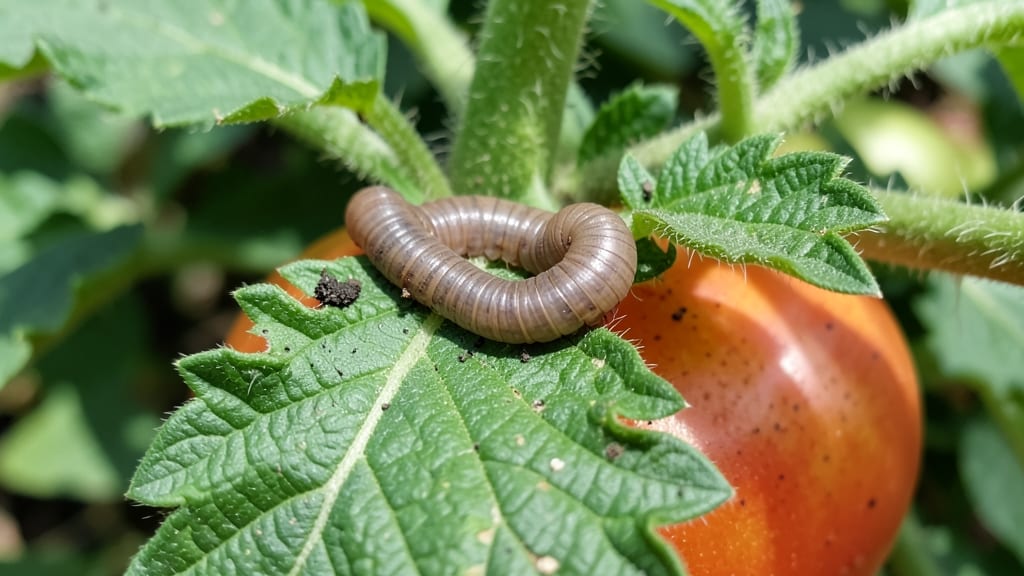
Brown worms on tomato plants can turn a thriving harvest into a chewed-up mess in days—unless you act fast. 🌱 I’ve spent summers watching my tomato plants go from lush and green to skeletonized by these hungry invaders, and I’ve learned the organic tricks that actually work.
The good news? You don’t need harsh chemicals to save your plants.
The culprits are usually hornworms (those giant green caterpillars with white stripes) or cutworms (small, brown, and sneaky). Root-knot nematodes can also cause gnarled roots and stunted growth, but they’re less common in home gardens.
The key is catching them early—before they strip your plants bare or lay eggs for the next generation. A quick check under leaves and at the base of stems can save your harvest.
You’ll learn how to remove them by hand (yes, it’s weirdly satisfying), use organic sprays like neem oil or Bacillus thuringiensis, and set up barriers like row covers before they hatch.
Within a week, your plants will bounce back with stronger stems and more fruit—no more sad, half-eaten tomatoes. Let’s get those worms off your plants for good.
This works for both garden beds and containers, and the methods adapt to different climates. The secret? Consistency. Check your plants every few days, especially after rain, and you’ll keep those worms from ruining your season. Your tomatoes will thank you with juicy, healthy harvests all summer long.
Root Causes Of Worm Infestations
Discovering brown worms on your tomato plants can feel like a sudden attack on your hard-earned harvest. But before you panic, understanding why these pests show up is the first step to stopping them.
Below, we break down the most common reasons—from environmental triggers to plant vulnerabilities—so you can address the problem at its source.
Healthy soil is the foundation of thriving tomato plants—but it can also become a worm buffet if conditions are just right. Brown worms, like the hornworm or cutworm, thrive in moist, nutrient-rich soil that retains warmth. Here’s why:
- Excessive moisture: Overwatering or poorly draining soil creates the perfect damp environment for worm eggs to hatch and larvae to grow. 💡 Pro Tip: Aim for 1–1.5 inches of water per week (including rainfall) and improve drainage with compost or sand.
- Organic mulch buildup: While mulch conserves moisture, thick layers can trap warmth and humidity, accelerating worm development. ✨ Actionable Fix: Use straw or shredded leaves (instead of grass clippings) and keep mulch 2–3 inches deep.
- Fertilizer overuse: Too much nitrogen-rich fertilizer (like fresh manure) attracts worms by boosting plant growth—making them more visible and vulnerable to pests. 📊 Balance Tip: Switch to a slow-release, balanced fertilizer (e.g., 10-10-10) and avoid synthetic nitrogen spikes.
If your soil feels soggy or smells sour, it’s a red flag for worm-friendly conditions. Test your soil’s pH (ideal: 6.0–6.8) and adjust with lime or sulfur if needed.
Tomato plants that are stressed, nutrient-deficient, or overcrowded become easy targets for worms. Here’s how poor plant health invites infestations:
- Nutrient deficiencies: Plants lacking calcium, potassium, or magnesium produce weak stems and leaves—perfect for worms to chew through. 💪 Fix It: Feed plants with egg shells (crushed) for calcium or a potassium-rich compost tea.
- Overcrowding: Plants competing for sunlight and space grow slowly and spindly, making them more susceptible to worm damage. 🌿 Spacing Rule: Space tomato plants 18–24 inches apart for airflow and sunlight.
- Pest stress: Previous infestations (like aphids or spider mites) weaken plants, making them more attractive to worms. 🚨 Early Action: Monitor for yellowing leaves or sticky residue (honeydew) and treat minor pests before they escalate.
Healthy plants bounce back faster from worm damage. Prune yellow or damaged leaves immediately to redirect energy to growth.
Worms don’t just appear out of nowhere—they’re part of a hidden ecosystem in your garden. Understanding their life cycles helps you disrupt their patterns:
- Egg-laying adults: Many brown worms (like hornworms) lay eggs on the undersides of leaves in late spring/early summer. If you spot tiny green eggs in clusters, remove them immediately—they hatch in 3–5 days.
- Seasonal peaks: Worms thrive in warm (70–85°F) and humid conditions. 📅 Timing Tip: Monitor plants June–August when activity surges.
- Nighttime feeders: Some worms (e.g., cutworms) hide in soil during the day and munch at night. 🔦 Night Patrol: Use a flashlight after dark to spot and remove them before they damage fruits.
Disrupting their life cycle early—by removing eggs or adult worms—can cut infestations by 90% before they spiral.
Now that you know why brown worms invade your tomato plants, the next step is how to evict them. Stay tuned for organic removal methods that protect your harvest—and your sanity!
How to Fix Tomato Plant Worms
Discovering brown worms munching on your tomato plants can be frustrating, but the good news is that you can tackle the problem effectively with a mix of organic solutions and preventative measures.
Below, we’ve mapped out targeted fixes based on the most common causes—so you can act fast and protect your harvest.
Before treating, confirm what you’re dealing with. Brown worms on tomato plants are often:
- Hornworms (large, green or brown with white stripes)
- Cutworms (small, brown, and nocturnal)
- Tomato Fruitworms (tiny, brown or green larvae)
- Rootworms (less visible but cause wilting)
Pro Tip: 💡 Check the undersides of leaves and stems during dawn or dusk—they’re most active then!
If you’ve spotted large, striped caterpillars (hornworms) or small brown larvae (fruitworms), try these:
👨🍳 Handpick & Remove
- How: Wear gloves and pluck worms off plants by hand, dropping them into soapy water to kill them instantly.
- When: Early morning or late evening when they’re sluggish.
- Why: Reduces the population quickly without chemicals.
🥘 Bacillus Thuringiensis (Bt) Spray
- How: Mix Bt spores (a natural bacteria) with water and spray on leaves, focusing on undersides and fruit clusters.
- When: Apply in the evening to avoid harming bees.
- Why: Targets worm digestive systems—safe for humans and pets.
🔪 Neem Oil Spray (Preventative & Repellent)
- How: Mix 1 tsp neem oil + ½ tsp mild soap + 1 quart water. Spray plants thoroughly.
- When: Every 5–7 days or after rain.
- Why: Disrupts worm feeding and egg-laying while protecting leaves.
If your tomato plants show clean-cut stems (a telltale sign of cutworms), use these methods:
🌙 Collar Barriers (Physical Defense)
- How: Wrap the base of young plants with cardboard collars (cut from a box) or aluminum foil (3–4 inches high).
- When: Install at planting time.
- Why: Cutworms can’t crawl over barriers to reach stems.
🎯 Beer Traps (Nocturnal Bait)
- How: Bury a shallow container (like a yogurt cup) filled with beer near plants. Worms are attracted and drown.
- When: Set traps at dusk (cutworms are active then).
- Why: Non-toxic and works in 24–48 hours.
🌡️ Diatomaceous Earth (DE) Dust
- How: Lightly dust soil around plants with food-grade DE (avoid overapplying—it can harm beneficial insects).
- When: Early morning or after watering (keeps it effective).
- Why: DE’s microscopic particles dehydrate worms on contact.
The best defense? Prevent infestations with these long-term strategies:
| Method | How to Do It | Best Time |
|---|---|---|
| Crop Rotation | Avoid planting tomatoes in the same spot yearly—worms overwinter in soil. | Annual garden planning |
| Row Covers | Use floating row covers (lightweight fabric) to block moths from laying eggs. | At planting (remove at flowering for pollination). |
| Beneficial Insects | Attract parasitic wasps (like Cotesia) or ladybugs—they eat worm eggs. | Plant dill, fennel, or marigolds nearby. |
| Healthy Soil | Add compost and worm castings to strengthen plants’ natural defenses. | Before planting season. |
| Prune & Clean Up | Remove fallen leaves, fruit, and debris where worms hide. | Weekly maintenance. |
Pro Tip: ✨ Companion planting with basil, garlic, or onions repels moths naturally!
If worms persist despite your efforts:
- For severe infestations: Consider organic insecticides like spinosad (derived from soil bacteria).
- For rootworms: Rotate crops and apply beneficial nematodes (Steinernema) to soil.
- For professional help: Contact your local cooperative extension office for region-specific advice.
With these targeted fixes, you’ll reclaim your tomato plants in no time—no chemicals, just healthy harvests ahead! 🍅🌿
Frequently asked questions
What do brown worms on tomato plants actually look like?
Brown worms on tomato plants typically appear as either small, hairy larvae (cutworms) or larger, striped caterpillars (hornworms). Cutworms are 1–1.5 inches long, brown or black, and often curl up when disturbed. Hornworms can grow up to 4 inches with white stripes and a smooth body. Check leaf undersides and stems—these are their favorite hiding spots!
Are these worms harmful to humans or pets?
No, these worms pose no direct threat to humans or pets. They’re plant-eating larvae and won’t bite or sting. However, some gardeners worry about accidental ingestion if pets dig in infested soil. The bigger concern is the damage they cause to your tomato plants, which can reduce yields or spread disease through open wounds.
How quickly can brown worms destroy a tomato plant?
Surprisingly fast! A single hornworm can devour an entire leaf overnight, and a colony can strip a plant bare in 3–5 days. Cutworms target stems, severing young plants at soil level. Act within 24–48 hours of noticing damage to prevent total loss. Early intervention with handpicking or organic sprays makes all the difference.
Will neem oil or Bt spray harm my tomato fruits?
No, when used correctly, both are safe for tomato fruits. Neem oil should be applied before fruits develop (early season) to avoid potential bitter flavors. Bacillus thuringiensis (Bt) is fruit-safe at all stages—it targets worm digestive systems without affecting plants or produce. Always follow label instructions for best results.
What’s the best time of day to check for worms?
Early morning (just after sunrise) or late evening are ideal. Worms are sluggish in cooler temperatures, making them easier to spot and remove. Cutworms, in particular, hide during the day and become active at dusk—so a quick flashlight check after dark can reveal nocturnal feeders before they cause damage.