
Plants
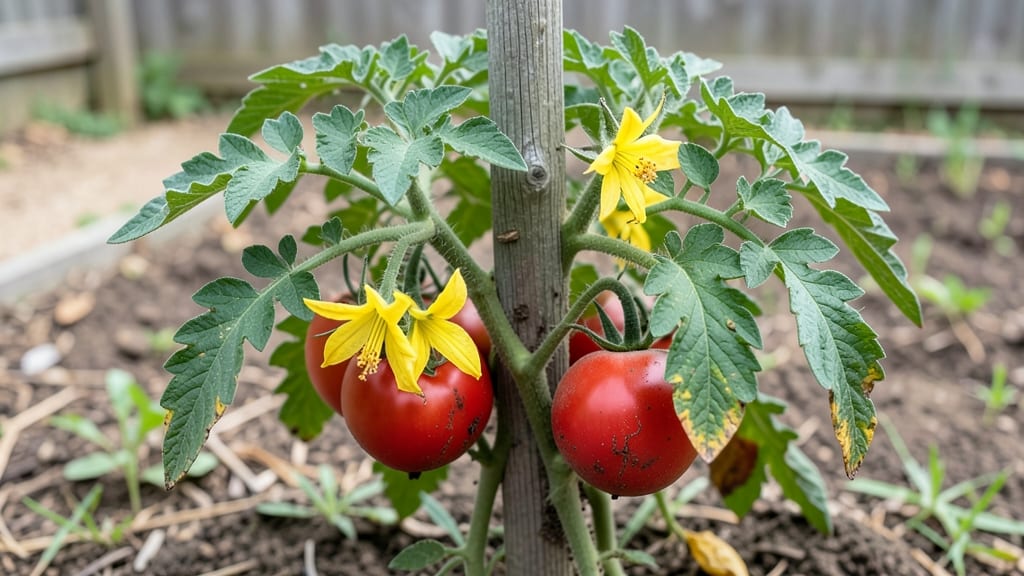
Growing champion tomato plants requires consistent moisture, full sunlight (6-8 hours daily), and nutrient-rich soil amended with compost. Prune suckers regularly, stake or cage plants for support, and fertilize with balanced organic feed every 4-6 weeks to maximize fruit production and disease resistance.
Champion tomato varieties are bred for high yields, but their success depends on replicating ideal growing conditions. 🌱 The key is mimicking their natural environment—warmth, consistent hydration, and nutrient density—while protecting them from pests and diseases that can stunt growth.
I’ve found that using a mix of worm castings and aged compost in the soil gives plants the steady nutrient supply they crave, while a sturdy cage prevents fruit from touching the ground and rotting.
What sets these plants apart is their ability to produce larger, more uniform fruit when given the right care. Unlike regular tomatoes, they respond dramatically to proper pruning and support systems.
For example, indeterminate varieties like 'Champion' can grow up to 10 feet tall if left unchecked, so regular pruning keeps energy focused on fruit production rather than leafy growth.
💡 In This Article
- Key Factors for Champion Tomato Growth Success
- Step-by-Step Champion Tomato Planting Guide
Key factors for Champion tomato growth success
Champion tomato varieties are bred for high yield potential, but their success hinges on replicating specific environmental conditions. The ideal soil pH range of 6.0-6.8 ensures optimal nutrient uptake—especially for nitrogen, phosphorus, and potassium—which directly fuels fruit development.
At this pH, beneficial soil microbes thrive, breaking down organic matter into forms the plants can absorb. 🌱 What most gardeners overlook is that even a slight pH shift below 5.5 can lock out essential nutrients like calcium and magnesium, leading to blossom-end rot despite proper watering.
Temperature plays a critical role in both growth and flavor development. Champion tomatoes perform best in daytime temperatures between 70-85°F, where photosynthesis operates at peak efficiency. Below 55°F, growth slows dramatically as enzymes responsible for fruit development become sluggish.
The nighttime temperature should stay above 60°F—any cooler and the plant's energy shifts toward survival rather than production. This is why early spring or fall plantings often yield smaller fruit unless you use row covers to maintain optimal warmth.
Root depth and watering consistency create the foundation for large, disease-resistant fruit. Champion tomato roots can extend 3-4 feet deep when given proper conditions, allowing them to access moisture and nutrients from lower soil layers.
The key is maintaining 1-2 inches of consistent moisture in the top 6 inches of soil—never letting it dry completely between waterings. Fluctuations in soil moisture cause uneven fruit development and crack the skin, making them vulnerable to fungal infections like early blight.
Nutrient management requires precision timing. While compost provides long-term organic matter, Champion tomatoes need a balanced feed every 4-6 weeks during fruiting.
Too much nitrogen early in the season promotes leafy growth at the expense of fruit, while phosphorus and potassium deficiencies show up as weak stems or poor fruit set.
I've found that a 5-10-10 organic fertilizer ratio works best when applied at the base of the plant, avoiding leaf contact to prevent burns.
Disease resistance in Champion varieties stems from their genetic makeup, but environmental factors amplify this protection. Proper air circulation—achieved through pruning and spacing—reduces humidity around leaves, making them less hospitable to pathogens like powdery mildew. The plant's waxy leaf surface also helps repel water, preventing fungal spores from gaining purchase.
When you combine this natural resistance with 2-3 inches of mulch, you create a barrier that keeps soil-borne diseases from splashing onto foliage during rain.
One often-missed factor is the role of calcium in cell wall development. Champion tomatoes need 0.1-0.2% calcium in their tissue for proper fruit formation. If your water is hard (high in calcium) or you're using gypsum, you'll see fewer blossom-end rot issues.
The telltale sign of calcium deficiency is a white, leathery spot forming on the blossom end of fruit—this can ruin up to 30% of your harvest if unchecked. 💫