
Vegetables
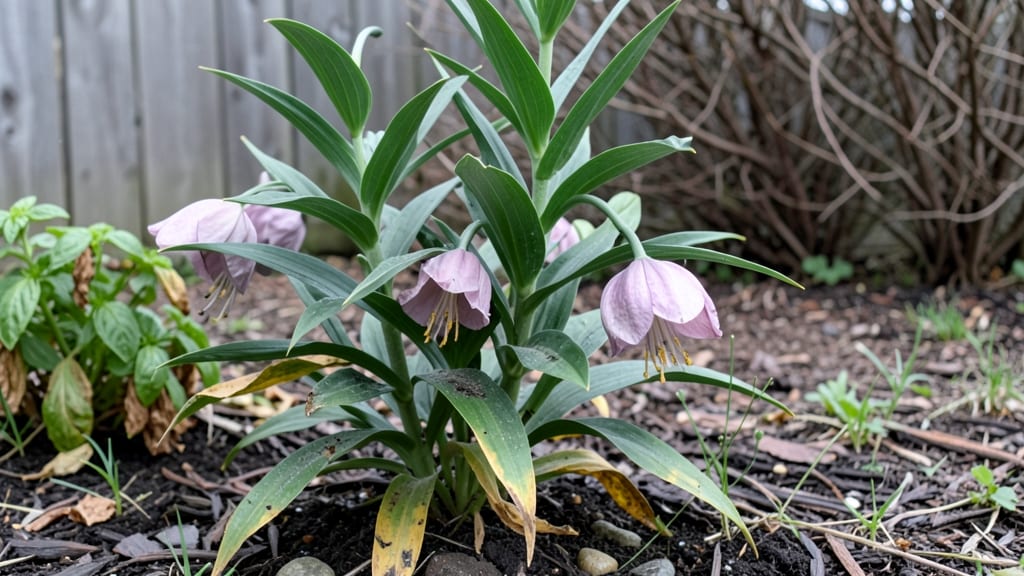
The Turkish turban plant (Lilium martagon) brings nodding, cup-shaped blooms that look like tiny top hats—exactly what my garden needed after years of boring old daylilies.
These hardy lilies thrive in zones 3 through 8, and with the right care, they’ll reward you with late-summer blooms that last for weeks. The secret isn’t just planting them—it’s knowing when to prune, how to feed them, and which spots they’ll flourish in.
You’ll need well-draining soil, partial shade (morning sun and afternoon shade works best), and patience—these aren’t fast growers, but once established, they multiply like crazy. Plant bulbs in fall, about 6 inches deep and 6 inches apart, and water them deeply after planting.
They handle drought surprisingly well once settled in, but they’ll thank you for a little extra moisture during their first growing season.
By late summer, you’ll be rewarded with clusters of vibrant pink, purple, or white blooms that hummingbirds adore. The key to keeping them coming back? Deadhead spent flowers and cut back foliage in early fall—this encourages stronger growth next year.
Even better, these lilies naturalize over time, spreading into dramatic drifts that look like they belong in a cottage garden.
They’re tougher than they look, but watch for lily beetles and botrytis blight—both can be issues if the air stays too damp. A quick spray of neem oil usually does the trick.
Once you’ve got them growing, they’ll come back year after year with almost no fuss. Here’s how to get started right.
📚 In This Guide
- What you need
- Instructions
- Tips and common mistakes
- Wrapping up and next steps
What you need
- ● Seeds or seedlings: 10–20 Alcea rosea seeds (or 3–5 young plants for a small garden). Choose heirloom or organic seeds for best results.
- ● Well-draining potting mix: 5–10 gallons, enriched with compost (30–40% organic matter). Avoid heavy clay soil.
- ● Containers or garden bed: Containers: 12–18" diameter pots (1 per plant) with drainage holes.
- ● Garden bed: Full sun (6+ hours/day) with loose, fertile soil (pH 6.0–7.0).
- ● Watering can or hose: With a gentle spray nozzle for even moisture distribution.
- ● Fertilizer: Balanced organic fertilizer (10-10-10 NPK) or compost tea. Apply every 4–6 weeks.
- ● Gloves & kneeling pad: For comfortable handling and soil prep.
- ● Pruning shears: Sharp, sterilized shears for trimming dead blooms or shaping plants.
- ● Mulch (straw or wood chips): 2–3 inches to retain moisture and suppress weeds.
- ○ Stakes or trellis: Optional for tall varieties (4–6 ft) to support stems.
- ○ pH test kit: To monitor soil acidity (optional but helpful for troubleshooting).
Step-by-step instructions for cultivating the Turkish turban plant
This stunning perennial thrives with the right balance of sunlight, pruning, and seasonal care.
Select the Perfect Planting Location
Choose a site with at least 6 hours of direct sunlight daily, as the Turkish turban plant—Lilium martagon—demands full sun for robust blooms. If your garden receives less, supplement with a grow light positioned 12-18 inches above the plant during its active growing season. I always test the spot by observing how long nearby plants remain in sunlight, adjusting placement if needed.
Well-draining soil is critical. Amend heavy clay with 2-3 inches of compost or perlite to prevent root rot, which can devastate these plants within weeks. Dig a hole twice as wide as the root ball but only as deep as the container it was grown in. The crown should sit just below the soil surface—burying it too deep suffocates the plant, while leaving it exposed invites disease.
Plant and Establish the Turkish Turban
Remove the plant from its container and loosen the roots gently if they’re tightly bound. Place it in the hole, ensuring the crown sits level with the soil line. Backfill with native soil mixed with 1 part compost to encourage root spread. Water deeply to settle the soil, then add a 2-inch layer of mulch (like shredded bark) to retain moisture and regulate temperature.
During the first 4-6 weeks, water once weekly if rainfall is insufficient. You’ll know it’s time to water again when the top 2 inches of soil feel dry to the touch. Overwatering at this stage leads to weak stems and fewer blooms—so resist the urge to keep the soil soggy. Fertilize lightly with a balanced 10-10-10 formula after planting to support early root development.
Prune Strategically for Year-Round Blooms
After the first flush of blooms fades, deadhead spent flowers by cutting the stem 1 inch above the nearest leaf node. This redirects energy to bulb storage for next season’s growth. I always prune in the early afternoon to allow wounds to heal before evening moisture sets in. Avoid heavy pruning in late summer—this plant stores nutrients in its bulbs, and aggressive cuts weaken its winter resilience.
In early spring, before new shoots emerge, trim any dead or damaged foliage to 3 inches above the ground. This prevents disease from lingering in old tissue while allowing sunlight to reach emerging leaves. By mid-summer, if the plant looks leggy, prune one-third of the oldest stems to encourage bushier growth and more blooms. Never remove more than 30% of the foliage at once—this shocks the plant and reduces flowering potential.
Winter Care and Seasonal Maintenance
Turkish turban plants are hardy but benefit from mild winter protection in colder climates. After the first frost, mulch heavily with 4-6 inches of straw or leaves to insulate the bulbs. In Zone 5 or colder, consider wrapping the crown with burlap for extra defense against freezing temperatures. Remove mulch in early spring once temperatures consistently rise above 40°F to prevent rot from trapped moisture.
Fertilize once in early spring with a low-nitrogen, high-phosphorus formula (like 5-10-10) to promote blooming. Avoid fertilizing after mid-summer, as new growth won’t harden off before winter. Watch for aphids or spider mites on new shoots—spray with neem oil at the first sign of infestation. A healthy plant will produce 6-12 blooms per stalk, with each flower lasting 5-7 days in full sun.
Tips & tricks for perfect Turkish turban plant cultivation
A few strategic insights will help you nurture this elegant perennial into a year-round blooming star.
Sunlight Optimization: The 6 hours of direct sunlight requirement is non-negotiable for vibrant blooms, but here's the trick: position your grow light at exactly 12-18 inches above the plant to mimic natural sunlight angles. I've found that adjusting the light height as the plant grows—starting at 18 inches and lowering to 12 inches over the growing season—creates more uniform growth. For container growers, rotate pots weekly to prevent lopsided development toward the light source.
Soil Preparation Secret: When amending heavy clay with 2-3 inches of compost or perlite, I recommend mixing in a handful of coarse sand as well. This creates larger air pockets that prevent the dreaded root rot while still maintaining moisture retention. The key is to blend these amendments thoroughly into the native soil rather than just layering them on top—this ensures even drainage throughout the root zone.
Pruning Precision: That 1-inch cut above the leaf node when deadheading might seem arbitrary, but it's actually critical. This precise cut prevents water from pooling in the stem, which can lead to fungal infections. For the early spring cleanup, I've noticed that trimming to exactly 3 inches above ground level gives the plant just enough foliage to photosynthesize while still allowing sunlight to reach new shoots. Use sharp, sterilized pruners to make clean cuts that heal quickly.
Winter Protection Strategy: The 4-6 inch mulch layer is essential, but here's what I've learned about timing: apply it immediately after the first frost when soil temperatures drop below 40°F. In Zone 5 climates, I've found that adding a layer of bubble wrap over the mulch provides an extra insulating barrier without creating moisture traps. Remove this protective layer in early spring once daytime temperatures consistently exceed 40°F to prevent overheating during warm spells.
Pro Tips for Turkish Turban Plant
- A few strategic insights will help you nurture this elegant perennial into a year-round blooming star.
- I've found that adjusting the light height as the plant grows—starting at 18 inches and lowering to 12 inches over the growing season—creates more uniform growth.
- Soil Preparation Secret: When amending heavy clay with 2-3 inches of compost or perlite, I recommend mixing in a handful of coarse sand as well.
Frequently asked questions
Got questions about growing the stunning Turkish Turban plant (Lilium martagon)? You’re not alone! Here are answers to the most common queries to help you cultivate this elegant perennial with confidence.
How fast does a Turkish Turban plant grow?
The Turkish Turban (Lilium martagon) grows at a moderate pace—expect 6–12 inches per year under ideal conditions. In its first year, focus on establishing strong roots; full maturity (with robust blooms) typically takes 2–3 years. Patience pays off with dramatic, nodding flowers!
When is the best time to plant Turkish Turban bulbs?
Plant bulbs in early fall (4–6 weeks before frost) for the best results. This timing allows roots to establish before winter. If planting in spring, do so as soon as the soil is workable—but expect smaller blooms the first year. Avoid late-summer planting; bulbs need time to root!
How often should I water a Turkish Turban plant?
Water deeply once a week during the growing season (spring–summer), ensuring the soil stays moist but not soggy. Reduce watering in fall/winter unless the ground is exceptionally dry. Overwatering can rot bulbs, while underwatering stresses the plant—aim for consistency!
Can I propagate Turkish Turban plants from cuttings?
No—this plant doesn’t propagate from cuttings. Instead, divide mature clumps in early fall (every 3–4 years) or plant seedlings (slow process). For quick results, buy new bulbs from reputable nurseries. Patience is key; propagation is best left to the roots!
Why aren’t my Turkish Turban flowers opening?
Several factors may cause closed buds: too much shade, overcrowded bulbs, or nutrient deficiencies. Ensure full sun (6+ hours/day), thin bulbs if clustered, and fertilize lightly in spring with bulb-specific food. Pests (like aphids) can also stress plants—inspect leaves regularly!
Wrapping up and next steps
The Turkish turban plant is a stunning, low-maintenance addition to any garden or container, offering vibrant blooms and lush foliage year-round with the right care. By mastering strategic pruning, providing the ideal growing conditions, and troubleshooting common issues, you’ll enjoy its beauty without the fuss. 🌸
Ready to transform your space? Start by planting one today—whether in your backyard, balcony, or even as a gift for a fellow plant lover. Happy gardening! 🌱