
Planting
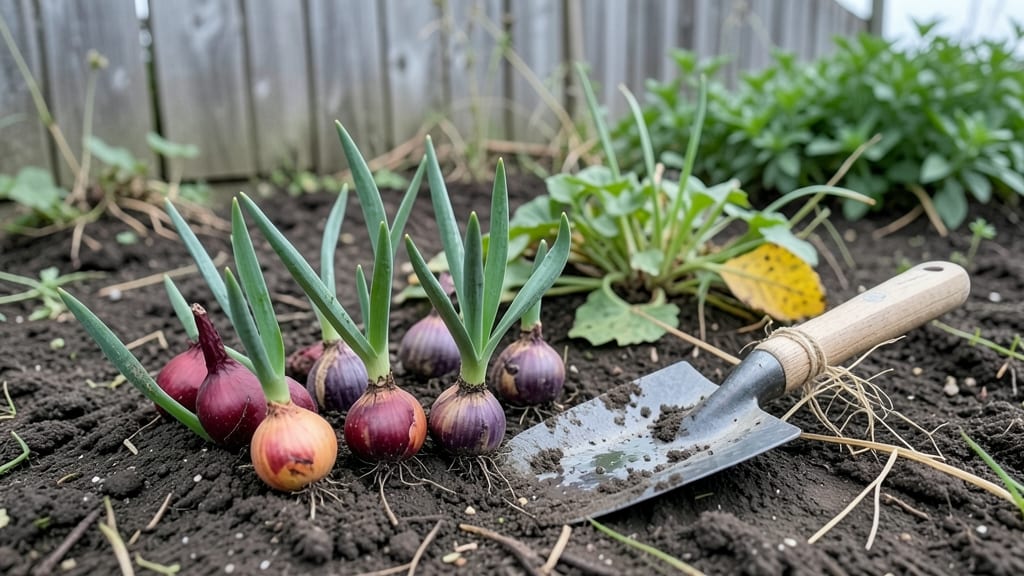
Here are some tulip planting tips to ensure your garden bursts into stunning spring blooms that’ll leave your neighbors in awe. I've learned the hard way that depth, timing, and soil matter more than you'd think—my first batch of tulips flopped because I buried them too shallow.
The secret isn't complicated: it's about matching the bulb's needs to your garden's conditions.
Start with well-draining soil and a sunny spot that gets at least six hours of light daily. Tulips thrive when planted 6 inches deep and 6 inches apart, with the pointy end facing up (yes, it matters).
The best time to plant depends on your climate: most gardeners aim for October or November, but cooler zones can wait until early winter. A little bulb fertilizer at planting time gives them a head start for next spring.
📚 In This Guide
- What you need
- Instructions
- Tips and common mistakes
- Wrapping up and next steps
What you need
- ● Tulip bulbs: Choose disease-resistant varieties (e.g., Darwin Hybrid or Parrot tulips). Buy 10–20 bulbs per 100 sq. ft. for a lush display.
- ● Garden soil: Well-draining, slightly acidic (pH 6.0–7.0) loamy soil. Amend heavy clay with compost (2–3 inches) or sand (1 part sand to 3 parts soil).
- ● Garden fork or tiller: For loosening soil to a depth of 12–15 inches.
- ● Bulb planter or trowel: A bulb-specific planter (for precise spacing) or a hand trowel (6–8 inches long).
- ● Organic fertilizer: A balanced, slow-release fertilizer (10-10-10 or 5-10-10) with bone meal (5–10 lbs per 100 sq. ft.) for phosphorus.
- ● Mulch: 2–3 inches of straw, shredded leaves, or pine needles to retain moisture and insulate bulbs.
- ● Bulb fertilizer spikes: Convenient for delivering nutrients directly to roots.
- ● Soil pH test kit: Ensures your soil is in the ideal range for tulips.
- ● Garden gloves: Protect your hands while digging.
- ● Row markers or flags: Helps track planting locations (especially useful in large gardens).
- ● Drip irrigation system: Automates watering for consistent moisture.
Instructions for planting tulips for reliable spring blooms
Here’s the straightforward approach I’ve used for years—no guesswork, just tulips that return bigger and brighter each spring.
Choose the Right Time and Prepare the Soil
Plant your tulip bulbs in late fall, about 6 weeks before the ground freezes in your area. This timing lets roots establish before winter dormancy. I dig a hole 6-8 inches deep—that’s roughly 3 times the bulb’s height—using the pointed end of my trowel to loosen the soil first. The deeper planting protects bulbs from frost heaves and rodent nibbling.
Work in 2-3 inches of compost into the bottom of the hole and mix it with the native soil. Tulips thrive in well-draining soil, so if your garden holds water, add a handful of sand or perlite to improve drainage. Gently press the bulb into place with its pointed end facing upward—this ensures the stem grows straight toward the surface.
Plant Bulbs at the Correct Depth and Spacing
Place bulbs 4-6 inches apart in rows, leaving 12 inches between rows for easy maintenance. Crowding them too close leads to smaller blooms and more disease. I tap the soil lightly around each bulb to eliminate air pockets, then fill the hole gradually, pressing down in 1-inch layers to settle the soil without compacting it.
Once the hole is full, water deeply to encourage root growth. The soil should feel moist but not soggy—like a wrung-out sponge. If your fall is dry, add a 1-inch layer of mulch (like shredded leaves) to retain moisture and insulate the soil. This prevents bulbs from drying out over winter.
Water and Protect Through Winter
After planting, water the area again to 1 inch of soil depth. This initial soaking helps roots establish before the ground freezes. In colder climates, a light dusting of straw over the mulch adds extra insulation, but avoid piling it high—too much can smother bulbs in spring.
Leave the soil undisturbed until spring green appears, usually in late winter or early spring. At that point, remove any mulch or straw to allow sunlight to reach the emerging shoots. You’ll notice the first green shoots poking through in 2-3 weeks—that’s your signal to stop watering heavily until blooms form.
Here’s the thing—don’t fertilize until after blooming. Tulips store energy in their bulbs, and early feeding can weaken next year’s flowers. Wait until foliage yellows naturally before adding a balanced bulb fertilizer to replenish nutrients.
Tips & tricks for perfect tulip planting
These simple tricks will help you get tulips that come back year after year with bigger, brighter blooms.
The Timing Secret: That 6-week window before ground freeze is critical—it gives roots time to establish but still lets bulbs go dormant properly. I check my local frost date online each fall and count back 6 weeks. If you plant too early, bulbs may sprout and get damaged by frost. Too late, and they won't root deeply enough for winter survival.
Depth and Orientation: The 6-8 inch depth (3 times bulb height) keeps bulbs safe from frost heaves while allowing stems to reach the surface. That pointed end facing up is non-negotiable—it's where the stem emerges. I always test bulb orientation by gently pressing the pointed side into a cup of water before planting. If it floats upright, you're good to go.
Soil Preparation Strategy: That 2-3 inches of compost at the bottom isn't just for nutrients—it creates a perfect microclimate for root growth. For heavy clay soils, I mix in a handful of perlite per bulb to prevent waterlogging. The key is to create a loose, well-draining environment that mimics the bulbs' natural habitat in the steppes of Central Asia.
Winter Protection: That light dusting of straw over mulch in cold climates is worth the effort. I use straw instead of leaves because it breaks down more slowly and provides consistent insulation. The goal is to maintain soil temperature around 32°F—just above freezing—while preventing moisture loss. Too much mulch can actually smother emerging shoots in spring, so less is more.
Pro Tips for Tulip Planting Tips
- These simple tricks will help you get tulips that come back year after year with bigger, brighter blooms.
- The Timing Secret: That 6-week window before ground freeze is critical—it gives roots time to establish but still lets bulbs go dormant properly.
- Depth and Orientation: The 6-8 inch depth (3 times bulb height) keeps bulbs safe from frost heaves while allowing stems to reach the surface.
Frequently asked questions
Got questions about planting tulips? You’re not alone! Here are some of the most common concerns—plus quick, expert-backed answers to help you grow a stunning spring display.
When is the best time to plant tulip bulbs?
Plant tulip bulbs in fall, ideally 6–8 weeks before the ground freezes (usually October–November in most U.S. zones). This gives roots time to establish before winter dormancy. If you miss the window, don’t panic—just plant as soon as soil temps drop below 60°F (15°C) for consistent results.
How deep should I plant tulip bulbs?
Dig a hole 6–8 inches deep (about 3x the bulb’s height) and space them 4–6 inches apart. Plant the bulb pointy side up—it’s the easiest way to avoid confusion! Cover with soil, water lightly, and you’re set. Pro tip: Use a bulb planter for precision (and less back strain!).
Can I plant tulips in containers or pots?
Containers work great for small spaces or renters. Use a pot at least 6 inches deep with drainage holes, and plant 2–3 bulbs per 6-inch diameter. Opt for well-draining soil and place the pot in full sun. Just remember: containers dry out faster, so water regularly until frost hits.
Why aren’t my tulips blooming this year?
No blooms? Check these fixes:
- Not enough sunlight: Tulips need 6+ hours of sun daily.
- Overcrowding: Dig up and divide bulbs every 3–4 years if clumps get dense.
- Poor soil: Amend with compost for nutrients.
- Too much shade: Move to a sunnier spot next year.
Do tulips come back every year?
Most species tulips (like Tulipa fosteriana) are perennial and return yearly, but hybrid tulips (e.g., Parrot tulips) may fade after 1–2 years. To encourage regrowth, deadhead spent blooms and fertilize lightly in fall. For guaranteed annual blooms, plant perennializing varieties or replant bulbs every year.
Still stumped? Drop your question in the comments—we’re happy to help your tulips thrive!
Wrapping up and next steps
Planting tulips is a rewarding way to bring vibrant color to your garden, and with the right tulip planting tips, you’ll enjoy stunning blooms year after year! 🌸 Remember to choose the perfect location, prepare the soil, and plant at the right depth and timing for the best results.
A little patience and care will pay off with a breathtaking spring display.
Now that you’re ready to dig in, grab your gloves and get started—your future tulip garden awaits! For extra inspiration, explore tulip care tips to keep your blooms thriving season after season.