
Companion Plants
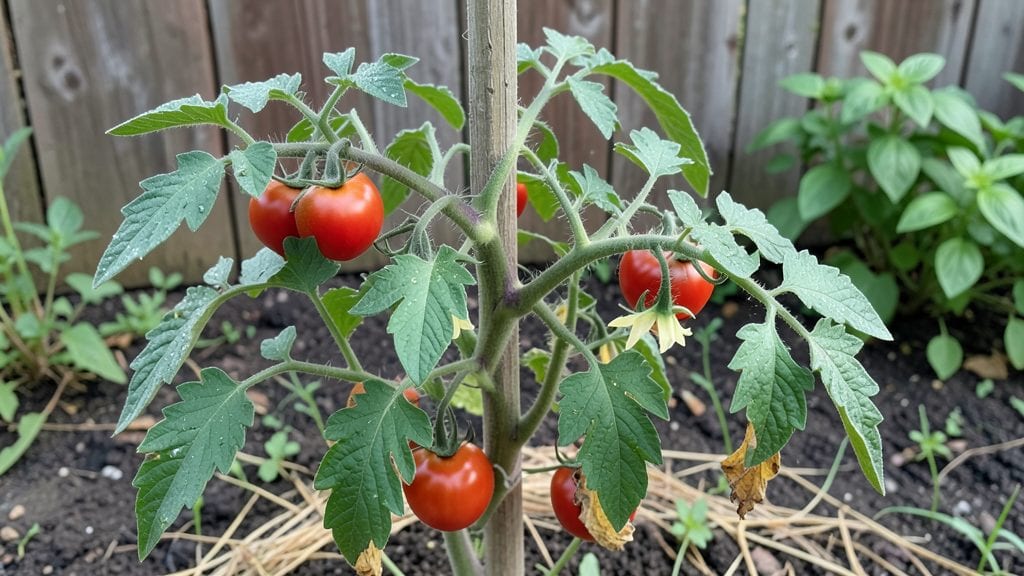
My tomato plants' growth this summer proved that pruning isn't just trimming—it's the secret to bushier harvests and nonstop blooms. 🌱 I went from struggling with leggy plants to tables full of ripe tomatoes by mastering just three simple cuts that redirect energy where it matters most.
The difference isn't just in quantity, but in flavor—thicker stems mean sweeter fruit, and fewer suckers mean more flowers.
You only need sharp pruners, a sunny spot with at least 6 hours of direct light, and a well-draining soil mix rich in compost.
Most gardeners overlook how pruning affects the plant's energy flow—removing the right growth at the right time turns a single plant into a fruit-producing machine.
I started with my first pruning in early June and ended with tomatoes still ripening in October, all because I learned to work with the plant's natural growth patterns.
By the time you're done, your tomatoes will be thicker, redder, and more abundant than you've ever seen. The key is timing: prune in the morning when the plant is hydrated, and always cut just above a leaf node to encourage new growth.
You'll notice new shoots within 10 days, and those become your next harvest. This isn't just about more tomatoes—it's about better tomatoes, with deeper flavor and fewer cracks.
Works for both determinate (bush) and indeterminate (vining) varieties, though the techniques adjust slightly. Whether you're growing in containers or garden beds, the principles stay the same. Let's turn those skinny stems into fruit-loaded branches—here's exactly how.
📚 In This Guide
- What you need
- Instructions
- Tips and common mistakes
- Wrapping up and next steps
What you need
- ● Tomato Seeds or Seedlings: Choose disease-resistant varieties (e.g., Early Girl, Cherry Roma, or Brandywine).
- ● Quantity: 4–6 plants per person (or 1 plant per 2–3 sq. ft. in containers).
- ● Growing Containers or Garden Bed: Containers: At least 5-gallon pots (1 plant per container) with drainage holes.
- ● Garden beds: Well-draining soil, raised beds, or in-ground plots with full sun (6–8+ hours/day).
- ● High-Quality Potting Mix or Soil: Use a sterilized, nutrient-rich mix (e.g., 60% potting soil + 30% compost + 10% perlite).
- ● Avoid garden soil (too dense; risks disease).
- ● Fertilizer: Balanced fertilizer (e.g., 10-10-10 or 5-5-5) for planting.
- ● Tomato-specific fertilizer (high in phosphorus/potassium) for flowering/fruiting.
- ● Pruning Tools: Sharp bypass pruners (for clean cuts).
- ● Sterilized hand pruners or scissors (for small stems).
- ● Support System: Cages, stakes, or trellises (e.g., 6-ft tall tomato cages or wooden stakes).
- ● Mulch: Organic mulch (e.g., straw, wood chips) to retain moisture and suppress weeds.
- ● Watering Can or Hose: Drip irrigation or a watering can with a fine rose (avoid wetting leaves).
- ● Growth hormones (e.g., rooting powder for cuttings).
- ● Companion plants (e.g., basil, marigolds, or borage to deter pests).
- ● pH testing kit (ideal soil pH: 6.0–6.8).
- ● Shade cloth (for hot climates or seedlings).
- ● Plant markers (to track varieties).
Instructions for pruning tomato plants like a pro
Here's how I transform leggy, weak tomato plants into bushy, productive powerhouses—no fancy tools needed.
✂️ Step 1: Identify the Right Pruning Time
Wait until your tomato plants have at least 3 sets of true leaves before touching them. This ensures they've established strong roots and stems. I always prune on a cloudy morning or late afternoon to avoid shocking the plant with midday sun. The first cut is the most critical—remove any lower leaves that touch the soil. These leaves trap moisture and invite disease.
Use sharp, clean pruning shears to make clean cuts just above a leaf node (where leaves grow out). Avoid tearing the stem, or you'll leave a wound that takes forever to heal. If you don't have shears, pinch off stems with your fingers—just be firm and quick.
✂️ Step 2: Remove Suckers for Bushier Growth
Suckers are the small shoots that grow in the V-shaped junction between the main stem and a branch. These little guys steal energy from your fruit production, so they've got to go. Pinch them off when they're still small—about 1-2 inches long. You'll see them popping up regularly, so check your plants every 3-5 days during the growing season.
Real talk: I used to skip this step, thinking it was too much work. Then I realized my tomatoes were always small and sparse. Removing suckers might feel counterintuitive, but it redirects all that energy into bigger, juicier fruit. Just don't go overboard—leave the first few suckers near the base to encourage branching.
🌿 Step 3: Prune for Airflow and Light Penetration
Once your plant is 3-4 feet tall, it's time to open it up. Remove any leaves that are shading the lower stem or blocking sunlight from reaching the fruit. Focus on the lower third of the plant first, then work your way up. You're aiming for a plant that looks like an open umbrella, not a dense bush.
Here's the thing—tomatoes need airflow to prevent fungal diseases like blight. If you see yellowing leaves or white spots, that's your plant screaming for help. Prune aggressively in these cases, but don't remove more than 25% of the plant's foliage at once. Spread these cuts out over a few weeks to avoid shocking the plant.
⏰ Step 4: Adjust Pruning for Different Varieties
Determinate tomatoes (the bushy ones) need minimal pruning—just remove diseased leaves and any that touch the ground. They produce all their fruit at once, so don't mess with their natural shape. Indeterminate tomatoes (the vining types) are where the real pruning magic happens. These keep growing all season, so you'll be pruning until the first frost.
For indeterminate varieties, I let them grow until they hit the top of their support (cage or trellis), then pinch off the top growth. This encourages the plant to put energy into existing fruit rather than growing taller. You'll know you're doing it right when you see more flowers and fruit clusters forming along the main stem.
🌱 Step 5: Late-Season Pruning for Extended Harvests
When your plant is heavy with fruit and growth slows in late summer, it's time for one last pruning push. Remove any leaves that are shading the bottom fruit clusters—these are the ones that will ripen first. Also, cut back any new suckers that have formed in the past few weeks. This gives the plant one final burst of energy to ripen what's already there.
Watch for green shoulders on your tomatoes—the white area where the fruit meets the stem. If you see this, your plant is struggling to ripen the fruit. A little strategic pruning now can make all the difference. Just remember: don't prune after the first frost, or you'll damage the plant's ability to produce.
Tips & tricks for pruning tomato plants like a pro
Transforming your tomato plants into productive powerhouses takes more than just a pair of shears—it's about understanding the plant's rhythm. Here's what I've learned from turning around my own struggling tomato patches.
The Timing Secret: In Step 1, when you're waiting for those 3 sets of true leaves, don't rush—this is when roots establish themselves properly. I've seen beginners prune too early and end up with stunted plants. Also, that cloudy morning advice isn't just about avoiding sunburn—it gives your plants time to adjust to the stress of pruning. Think of it like giving them a spa day before the workout.
Sucker Strategy: Step 2's every 3-5 days check might feel tedious, but I promise you'll notice the difference. The key is to remove suckers when they're 1-2 inches long—this is when they're most vulnerable. I like to do this on my morning coffee run, making it a quick habit. Pro tip: If you're overwhelmed, focus on the largest suckers first—they're stealing the most energy. And remember, those first few near the base? Leave them—they help create that strong framework.
Airflow Architecture: When you reach Step 3 and your plant hits 3-4 feet tall, you're not just pruning—you're designing your plant's environment. That lower third focus is crucial because it's where airflow needs to circulate most. I visualize my plants like open umbrellas—no dense center where moisture can get trapped. For those yellowing leaves, don't panic—just remove them gradually. I've found that spreading cuts over weeks gives plants time to adjust without shock, and they actually reward you with more flowers in response.
Variety-Specific Approach: The difference between determinate and indeterminate varieties in Step 4 is like comparing apples to oranges. For indeterminates, that top growth pinch is your secret weapon—it's what triggers all those side shoots where your fruit will form. I've seen gardeners let these vines grow wild, only to be disappointed with small, sparse tomatoes. The 3-4 feet height guideline is your cue to start this process. And watch for those fruit clusters forming—it's your plant's way of saying "thank you" for the pruning.
Pro Tips for Tomato Plants Growth
- Transforming your tomato plants into productive powerhouses takes more than just a pair of shears—it's about understanding the plant's rhythm.
- The Timing Secret: In Step 1, when you're waiting for those 3 sets of true leaves, don't rush—this is when roots establish themselves properly.
- Sucker Strategy: Step 2's every 3-5 days check might feel tedious, but I promise you'll notice the difference.
Frequently asked questions
Got questions about growing lush, productive tomato plants? You’re not alone! Here are answers to the most common concerns—from pruning to pests and everything in between.
How often should I prune my tomato plants for the best growth?
Prune indeterminate tomatoes weekly (remove suckers at the stem junction) to encourage bushier growth and better air circulation. For determinate varieties, minimal pruning is needed—just trim damaged leaves. Over-pruning stresses plants, so balance is key!
When is the best time to start pruning tomato plants?
Begin pruning once plants reach 12–18 inches tall and have 3–4 main stems. For early blooms, wait until flowers appear to avoid stunting growth. Pro tip: Prune in the morning so wounds heal faster in sunlight.
What should I do if my tomato plant leaves turn yellow after pruning?
Yellowing leaves often signal over-pruning or stress. Check for underwatering or nutrient deficiencies (like nitrogen). If the issue persists, reduce pruning frequency and fertilize with a balanced tomato feed. Mulch to retain moisture!
Can I prune tomato plants too much? What are the signs?
Yes! Signs of over-pruning include stunted growth, fewer flowers, or wilting. If you’ve removed more than 30% of foliage, pause pruning and focus on hydration and sunlight. Let the plant recover before resuming.
Are there any companion plants that help tomato plants grow better?
Plant basil, marigolds, or borage nearby to repel pests and improve flavor. Avoid fennel or brussels sprouts, which compete for nutrients. Interplanting also maximizes space and boosts pollination!
Wrapping up and next steps
Growing lush, productive tomato plants is all about patience, precision, and a little green-thumb love! 🌱 By mastering pruning techniques, you’ll unlock bushier vines, more abundant blooms, and a harvest that lasts all season.
Whether you’re a beginner or a seasoned gardener, these secrets will help you grow like a pro—and maybe even impress your neighbors with those juicy, vine-ripened tomatoes.
Ready to take your garden to the next level? Start small: pick one technique from this guide, practice it this season, and watch your plants thrive. Before you know it, you’ll be pruning with confidence—and reaping the rewards of your hard work! 🍅✨