
Pests
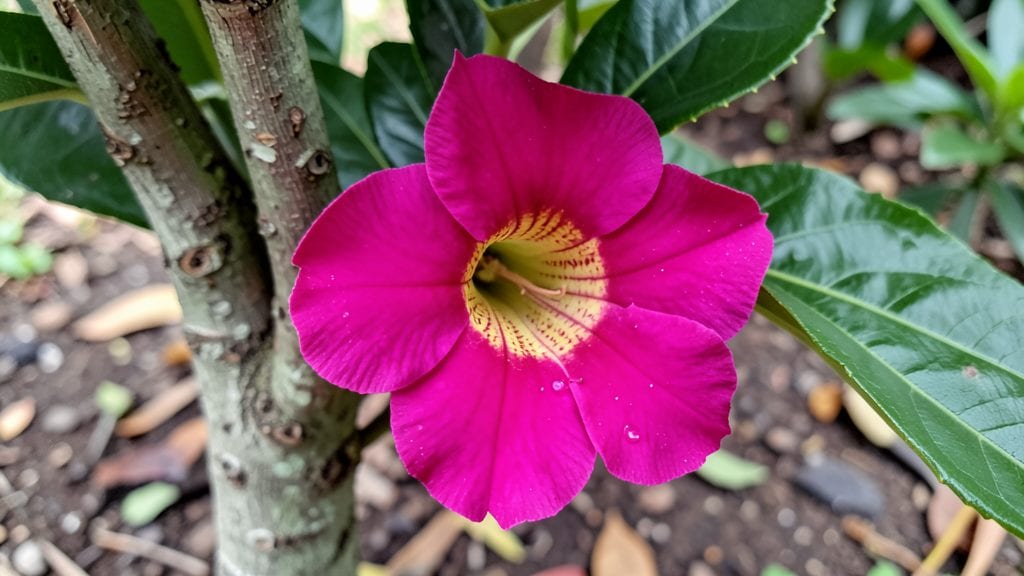
Transforming your worm bush plant into a lush, flowering powerhouse starts with understanding its pruning needs. 🌿 I’ve spent years perfecting the art of keeping Solandra grandiflora bushier and more productive, and the key lies in timing, technique, and a little patience.
This tropical beauty thrives when you prune it right—not just once a year, but year-round to encourage dense growth and those stunning trumpet-shaped blooms.
The secret isn’t complicated: prune back leggy stems after flowering to redirect energy into new shoots, and pinch back tips in early summer to trigger bushier branching. Most gardeners overlook the winter pruning, but a light trim in late winter sets the stage for explosive spring growth.
You’ll need sharp shears, a steady hand, and a willingness to get your fingers dirty—no fancy tools required.
Within weeks of proper pruning, you’ll see fresh green growth where there were once bare stems, and by summer, your plant will be covered in glossy leaves and fragrant white flowers. The payoff?
A worm bush that looks like it’s been in a greenhouse, not your backyard. Plus, the more you prune, the more resilient the plant becomes—drought and pests become less of a threat.
Works beautifully in zones 10-12, but with the right care, you can even overwinter it indoors in cooler climates. Whether you’re shaping a hedge or just keeping your plant looking its best, these pruning secrets will have your worm bush thriving in no time.
📚 In This Guide
- What you need
- Instructions
- Tips and common mistakes
- Wrapping up and next steps
What you need
- ● Pruning shears: Sharp, bypass-style shears (for clean cuts) or anvil-style for thicker branches (avoid dull blades—they crush stems!). Quantity: 1 pair.
- ● Hand pruners: For smaller branches or tight spaces. Look for ergonomic grips and rust-resistant blades. Quantity: 1 pair.
- ● Gloves: Heavy-duty, gardening gloves (nitrile-coated for grip and protection against thorns or sap). Quantity: 1 pair.
- ● Disinfectant: 70% isopropyl alcohol or a gardening disinfectant spray (to sterilize tools between cuts and prevent disease). Quantity: Small bottle or spray.
- ○ Pruning saw: Folding pruning saw (for thick, woody stems—optional but handy for mature worm bush plants). Quantity: 1.
- ● Trash bags: Heavy-duty, compostable bags (for collecting pruned debris). Quantity: 2–3.
- ● Loppers: For branches too thick for hand pruners (16–24" long).
- ● Extension pole: Attachable to shears for high branches (great for large worm bush plants!).
- ● Plant sealant: Pruning wax (to protect cuts from pests/disease).
- ● Notebook & pen: To track pruning dates, notes on plant health, or growth patterns.
- ● Knee pads: For comfort during long pruning sessions (trust us, your knees will thank you!).
How to prune worm bush for year-round bushier growth
Here's my simple, science-backed approach to keeping your worm bush full and vibrant all year.
✂️ Step 1: Identify the Right Pruning Time
Prune worm bush in early spring just as new growth begins—look for tiny leaf buds swelling along the stems. This timing encourages vigorous new shoots while avoiding winter stress. I avoid pruning in late fall because the plant needs its foliage to protect the crown from cold snaps.
If you missed spring, you can still prune in early summer after flowering, but expect slightly less bushiness. Never prune in fall or winter unless removing dead wood—new growth won't harden off before cold weather.
✂️ Step 2: Cut Back by One-Third Each Season
Using clean, sharp pruners, cut back one-third of the oldest stems to the ground. Focus on stems that look woody or have fewer leaves—they're the ones slowing your plant's growth. I always make cuts just above a leaf node or bud to encourage new shoots from that spot.
Don't worry about removing flowers—this plant blooms on old wood. The key is to balance pruning with natural flowering cycles. After pruning, water deeply to help the plant recover and support new growth.
✂️ Step 3: Shape and Thin for Airflow
Step back and look at your worm bush—you're aiming for an open, rounded shape. Remove any crossing branches or stems growing inward to prevent disease and pests. I like to leave the outer stems longer to maintain the bush's natural silhouette while encouraging inner branching.
If your plant looks leggy, cut back the longest stems by half. This forces energy into side shoots, creating that lush, full look. Avoid shearing—it creates unsightly, fuzzy new growth and weakens the plant.
✂️ Step 4: Maintain Through the Growing Season
After the initial prune, do light maintenance every 4-6 weeks by trimming just the tips of new growth to encourage branching. Pinch back the tips of any stems that grow more than 6 inches—this redirects energy into side shoots.
Watch for new growth emerging from the base—these are your plant's way of replacing old stems. If you see any dead or diseased stems, remove them immediately to keep the plant healthy. A little regular maintenance prevents major pruning jobs later.
✂️ Step 5: Prepare for Winter Dormancy
In late fall, do a final cleanup by removing any dead or damaged stems. Avoid heavy pruning now—the plant needs its energy reserves for winter survival. I leave the structure intact but tidy up any unsightly growth.
Mulch around the base with 2-3 inches of organic mulch to protect roots from freezing temperatures. This simple step makes spring pruning easier because the plant wakes up stronger and ready to grow.
Tips & tricks for perfect worm bush pruning
Keeping your worm bush lush and full takes more than just occasional trimming—it's about understanding the plant's growth cycles and working with them. Here are the secrets that'll transform your pruning routine.
Timing is Everything: That early spring timing in Step 1 isn't just about convenience—it's when your worm bush is naturally preparing for its growth spurt. Look for those tiny leaf buds that look like they're about to burst open. If you're unsure, do the "finger test": gently press a stem. If it feels firm but slightly springy, it's ready. In early summer, wait until after flowering when the plant has already put its energy into blooms. Real talk: I've pruned in fall before and regretted it when the plant struggled to recover before winter.
One-Third Rule with Purpose: The one-third cut in Step 2 might seem arbitrary, but it's actually based on plant physiology. Worm bushes thrive when they have a balance of old and new growth. Those oldest stems you're removing are the ones that have already done their job—producing leaves and flowers. Cutting them back right above a leaf node (where new shoots emerge) gives your plant a clean slate while preserving its energy reserves. I always make these cuts at a 45-degree angle to prevent water from pooling on the stem, which could lead to rot.
Shape Matters More Than You Think: When shaping in Step 3, think of your worm bush like a sculpture—you're removing material to reveal the form underneath. The open, rounded shape isn't just aesthetic; it's functional. It allows sunlight to penetrate to the center and air to circulate, preventing fungal diseases that love damp, shaded conditions. That leggy look? It's your plant's way of reaching for light. Cutting those long stems by half might seem drastic, but it's like giving your plant a haircut—it forces energy into the sides where you want that bushy growth.
Maintenance is the Secret Weapon: Those 4-6 week maintenance checks in Step 4 might seem like overkill, but they're what make the difference between a bush that's just "okay" and one that's thriving. Pinching back those 6-inch stems isn't about making your plant smaller—it's about telling it, "Hey, you've got plenty of length, now let's make you fuller." I keep a small pair of pruners in my gardening bag so I can do these quick checks whenever I'm out in the garden. It takes less than 5 minutes but makes a huge difference in the plant's overall shape.
Pro Tips for Worm Bush Plant
- Keeping your worm bush lush and full takes more than just occasional trimming—it's about understanding the plant's growth cycles and working with them.
- Timing is Everything: That early spring timing in Step 1 isn't just about convenience—it's when your worm bush is naturally preparing for its growth spurt.
- One-Third Rule with Purpose: The one-third cut in Step 2 might seem arbitrary, but it's actually based on plant physiology.
Frequently asked questions
How often should I prune my worm bush plant to encourage bushiness?
Prune your worm bush plant every 4-6 weeks during its active growing season (spring and summer). Light trimming (cutting back 1/3 of new growth) stimulates branching. In fall and winter, reduce pruning to just removing dead or overgrown stems—over-pruning can stress the plant.
Can I prune my worm bush plant in winter, or should I wait for spring?
Light winter pruning is safe if needed (e.g., removing dead branches), but avoid heavy cuts. The plant’s growth slows in cold months, so prune minimally. Wait until early spring (when new buds appear) for major shaping to avoid shock. A quick trim in late winter can still work if your climate is mild!
What should I do if my worm bush plant looks leggy after pruning?
Leggy growth happens when the plant stretches for light. To fix it, trim the top 1/3 of the longest stems to encourage side shoots. Move the plant to a sunnier spot (6+ hours of light daily) and fertilize lightly with a balanced 10-10-10 formula. Avoid overwatering—soil should dry slightly between waterings.
Are there alternatives to pruning if I don’t want to cut back my worm bush plant?
If pruning isn’t your style, try these low-maintenance alternatives:
- Pinching: Gently pinch off the tips of new growth (with clean fingers or pruners) to encourage bushiness without heavy cuts.
- Thinning: Remove only the innermost crowded stems to improve airflow and reduce pests.
- Fertilizer tweaks: Use a low-nitrogen fertilizer (like 5-10-5) to slow vertical growth and promote fuller foliage.
Why does my worm bush plant have yellow leaves after pruning?
Yellow leaves usually signal overwatering, nutrient deficiency, or stress from pruning. Check your watering habits—let the top inch of soil dry out between waterings. If the issue persists, feed the plant with an iron supplement (common in worm bush care) or repot it in fresh, well-draining soil. Avoid pruning again until new growth appears!
Wrapping up and next steps
Mastering the art of year-round pruning for your worm bush plant can transform it into a lush, vibrant centerpiece! 🌿 With the right tools, timing, and techniques—like strategic trimming and pest prevention—you’re well on your way to a thriving green companion. Don’t stop here: experiment with seasonal adjustments and share your progress with fellow plant enthusiasts!
🌱 Your Next Step: Observe & Adapt
Keep an eye on your worm bush’s growth patterns and tweak your routine as needed. Happy pruning! 🎉