
Planting
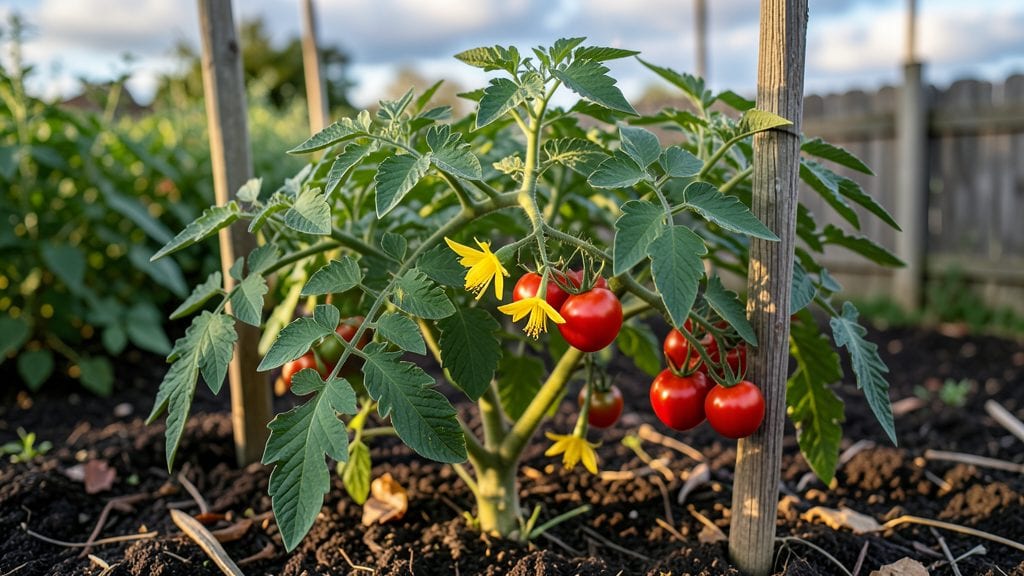
Mastering tomato plant identification by leaf shape and stem tricks saves you from buying the wrong variety—or worse, mistaking your heirlooms for diseased plants. 🌱 I’ve spent years comparing heirlooms like ‘Brandywine’ to hybrids like ‘Early Girl’ and spotted the subtle differences that make all the difference.
The key? Leaf serration depth, stem hairiness, and how the plant branches. One wrong ID could mean your prized ‘Cherokee Purple’ ends up in the compost pile.
You don’t need a botany degree—just a magnifying glass and a few minutes to study the plant’s quirks. Heirlooms often have jagged, deeply lobed leaves and fuzzy stems, while hybrids tend to be smoother and more uniform.
Disease spots (like early blight) mimic some leaf patterns, so I’ll show you how to tell the difference between a pest-chewed margin and fungal damage. A quick photo comparison with a trusted app like PlantNet can confirm your guess in seconds.
By the end, you’ll spot the right variety in your garden just by looking at the stem’s texture or how the leaves clasp the branches. No more guessing whether that tomato is heirloom or hybrid, or whether those brown spots are blight or just sunburn.
You’ll even recognize when pests like hornworms are hiding in plain sight—before they strip your plants bare.
This works for seedlings, mature plants, or even mystery tomatoes you find at a swap meet. Once you master these tricks, you’ll never second-guess your garden again.
📚 In This Guide
- What you need
- Instructions
- Tips and common mistakes
- Wrapping up and next steps
What you need
- ● Tomato plants or seedlings – At least 3-5 healthy plants (more = better for comparison!)
- ● Magnifying glass or loupe – A 10x magnification works best for inspecting leaf details.
- ● Ruler or measuring tape – For measuring leaf size and stem diameter (preferably in inches).
- ● Notebook or plant journal – To record observations (or use a phone app like PlantNet or iNaturalist).
- ● Sharp pruning shears – For safely snipping leaves or stems for closer inspection.
- ○ Camera (optional but helpful) – A macro mode or smartphone with a good zoom lets you capture leaf shapes and textures.
- ● Field guide or tomato ID book – Such as "The Tomato: A Gardeners' Guide" for reference.
- ● UV flashlight (blacklight) – Some tomato varieties glow under UV light, revealing hidden patterns!
- ● Grow lights or natural sunlight – If examining plants indoors, ensure they get 6+ hours of light for accurate leaf analysis.
- ● Printed tomato variety charts – Download free guides from Seed Savers Exchange or Burpee Seeds.
How to identify tomato varieties using leaf shape and stem clues
Skip the guesswork—learn these simple tricks to tell heirlooms from hybrids just by looking.
🌿 Step 1: Examine Leaf Shape for the First Big Hint
The moment you spot a tomato plant, check the leaves. Heirloom varieties often have deeply lobed, jagged-edged leaves that look like tiny maples. Think 'Brandywine' or 'Cherokee Purple'—their leaves are bold and irregular, almost like a child drew them with a jagged crayon.
Hybrids, on the other hand, tend to have smoother, more uniform lobes with rounded edges. Look for plants like 'Early Girl' or 'Better Boy'—their leaves are sleek, almost plastic-looking compared to heirlooms. This isn't foolproof, but it's your first clue.
🌱 Step 2: Check Stem Hairiness for Hybrid vs. Heirloom
Run your fingers along the stem—literally. Heirloom tomato stems are usually hairy, with fine, fuzzy growth that feels almost like a cat's fur. This hairiness is nature's way of protecting against pests, and it's a dead giveaway for old-school varieties.
Hybrid stems are typically smoother and less hairy, almost like polished wood. If the stem feels slick to the touch, you're probably looking at a modern hybrid. This trick works best on mature plants where the stems have fully developed.
☀️ Step 3: Observe Growth Habit for Determinate vs. Indeterminate
Watch how the plant grows over a few weeks. Determinate varieties (like 'Roma' or 'Celebrity') grow in a bushy shape, reaching a specific height and then stopping. They produce fruit all at once, creating that classic "tomato harvest" moment.
Indeterminate varieties (like 'Sungold' or 'Beefsteak') keep growing taller and producing fruit until frost. Their vines can reach 6-10 feet if left unchecked, and they need sturdy supports. This growth habit is your biggest clue about how to care for the plant.
✂️ Step 4: Count Leaflets for Specific Variety Clues
Pick a mature leaf and count the leaflets. Most tomato leaves have 5-9 leaflets, but some heirlooms can have as many as 13. For example, 'Striped Roman' tomatoes often have 7-9 leaflets with a distinctive striped pattern.
Hybrids usually stick to the 5-7 leaflet range, but this isn't a hard rule. The key is consistency—if every leaf on the plant has an odd number of leaflets, you're likely dealing with an heirloom. Take a photo for reference next time you're at the nursery!
🌱 Step 5: Check Fruit Stems for Color and Texture
Look at where the fruit attaches to the stem. Heirloom tomatoes often have green, hairy stems that turn red or purple as they ripen. Hybrids usually have smoother, sometimes slightly darker green stems that stay green longer.
This is a subtle clue, but it adds to your identification toolkit. Pair it with the other tricks, and you'll start recognizing varieties just by glancing at the plant. The more you observe, the easier it gets!
Tips & tricks for perfect tomato plant identification
A few simple tricks will help you become a tomato variety detective in no time.
Leaf Shape Comparison: In Step 1, when examining leaf shapes, look for the "maple leaf" pattern in heirlooms—those jagged edges are a dead giveaway. I always bring a reference photo of 'Brandywine' leaves to compare against unknown plants. The smoother hybrid leaves often have a more symmetrical appearance, almost like they've been drawn with a ruler.
Stem Texture Test: For Step 2, the hairiness test works best on mature stems—young plants might not show this trait yet. I've found that running my fingers along the stem while squinting at the light helps me see the fine hairs more clearly. If the stem feels like sandpaper, it's likely an heirloom.
Growth Habit Observation: In Step 3, when watching for determinate vs. indeterminate growth, pay attention to the plant's overall structure. Determinate plants often have a more compact, bushy appearance from the start, while indeterminate ones might look leggy until they reach maturity. I've seen some indeterminate varieties like 'Sungold' grow so tall they need trellises by midsummer.
Leaflet Counting Trick: For Step 4, I recommend counting leaflets on several leaves from different parts of the plant. Some heirlooms might have inconsistent leaflet counts, but the general trend will reveal their identity. Take photos of your findings—you'll build a reference library over time that becomes invaluable.
Pro Tips for Tomato Plant Identification
- A few simple tricks will help you become a tomato variety detective in no time.
- Leaf Shape Comparison: In Step 1, when examining leaf shapes, look for the "maple leaf" pattern in heirlooms—those jagged edges are a dead giveaway.
- Stem Texture Test: For Step 2, the hairiness test works best on mature stems—young plants might not show this trait yet.
Frequently asked questions
Got questions about spotting tomato varieties? You’re not alone!
Here are some of the most common queries gardeners have when identifying tomato plants—plus quick, no-fluff answers to keep your garden thriving.
How can I tell if my tomato plant is heirloom or hybrid just by looking?
Heirloom and hybrid tomatoes often differ in leaf shape and growth habits. Heirlooms tend to have lobed, jagged leaves and grow more vigorously, while hybrids may have smoother, darker leaves and tighter foliage. Check the fruit too! Heirlooms often have unique stripes, colors, or shapes (like green zebra stripes), whereas hybrids usually follow a more uniform look. If you’re unsure, compare your plant to known varieties in a tomato leaf ID guide.
When is the best time of day to identify tomato plants for accuracy?
Morning is ideal—between 8 AM and 10 AM—when leaves are fully hydrated and stems are upright. Avoid midday (when heat can cause wilting) or evening (when dew might obscure details). Pro tip: Snap a photo in natural light for later comparison. If you’re identifying seedlings, wait until they’ve developed at least 3-4 true leaves for clearer traits.
What if my tomato plant’s leaves look like mine but the fruit is totally different?
Leaf shape isn’t everything! Some varieties (like Brandywine or Cherokee Purple) have classic tomato foliage but produce unexpectedly large, ribbed, or colorful fruits. If your plant’s leaves match a known type but the fruit doesn’t, it could be a grafted plant (common in commercial varieties) or a surprise cross-pollination. Solution: Focus on fruit characteristics—shape, color, and size often reveal the true variety.
Can I use tomato plant ID tricks for other nightshades like peppers or eggplants?
Yes! The basics apply—leaf shape, stem texture, and growth pattern work for nightshades, but with tweaks. For example:
- Peppers: Look for hairy stems and serrated leaves (like jalapeños vs. bell peppers).
- Eggplants: Their leaves are broader and glossier, often with a distinctive heart shape.
My tomato plant’s leaves are curling or yellowing—does this affect identification?
Pests (like aphids) or diseases (early blight)
can distort leaf shape, making ID tricky. If your plant is stressed:
- Check stems for sap or webbing (signs of pests).
- Inspect undersides of leaves for spots or mold.
- Compare to healthy plants—if traits are consistent, proceed with ID.
Wrapping up and next steps
Mastering tomato plant identification by leaf shape and stem traits is your ticket to growing a thriving garden! 🌱 Whether you're a seasoned gardener or just starting, recognizing these key features will help you pick the perfect varieties for your space.
Now that you’re armed with these tricks, why not plant a few seeds or seedlings this season and see the magic unfold?
Happy growing—your future harvests (and tasty tomatoes!) will thank you! 🍅✨