
Container Gardens
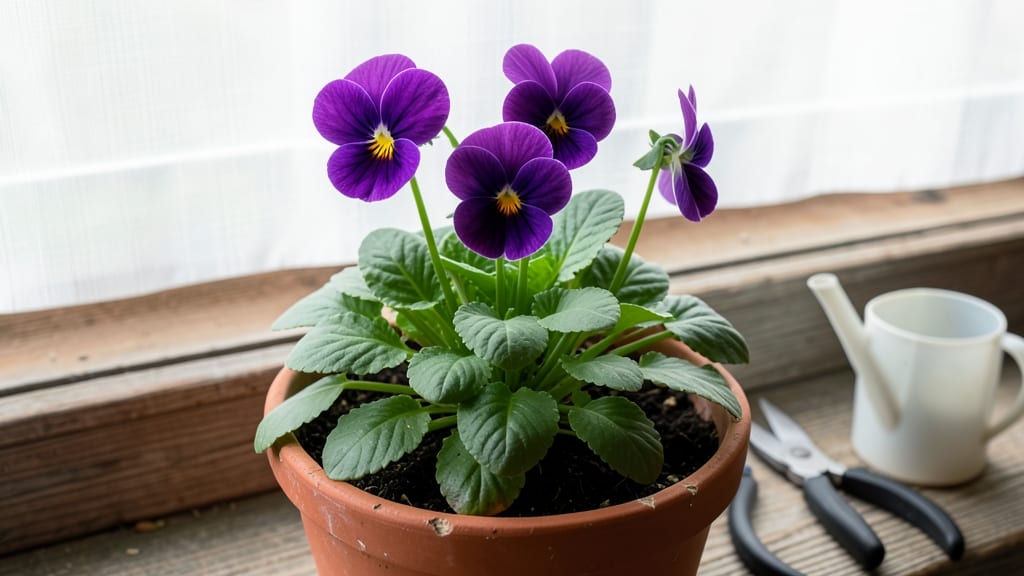
Growing pansies indoors brings cheerful color to dim corners year-round. 🌿 I’ve kept mine blooming for months in my north-facing living room, where most plants struggle—these cool-season flowers actually thrive where others fade. The trick isn’t complicated: they love what we hate in houseplants—cooler temps, consistent moisture, and indirect light.
You’ll need a 6-inch pot with drainage, well-draining potting mix, and a spot near a window (even north-facing works). Water when the top inch feels dry, and keep humidity up with a pebble tray—pansies wilt fast in dry air.
They’re not fussy about soil, but a mix with compost keeps them blooming longer. The real secret? Pinch back leggy stems early to encourage bushier growth.
By winter’s end, you’ll have a nonstop floral display in jewel-toned blues, purples, and yellows. These aren’t just pretty faces—they’re tough enough to handle indoor quirks like drafts from windows or uneven heating. Just watch for aphids (wipe them off with soapy water) and avoid overwatering, their biggest indoor enemy.
Perfect for apartments, offices, or sun-starved rooms—just rotate the pot weekly for even growth. They’ll reward you with blooms from fall through spring, then fade when summer heat hits. That’s when you replant them outside or start fresh indoors for another season.
📚 In This Guide
- What you need
- Instructions
- Tips and common mistakes
- Wrapping up and next steps
What you need
- ● Pansy plants: 3–5 healthy nursery-grown pansies (choose cold-hardy varieties like Viola × wittrockiana for best indoor success).
- ● Container: 1–2 well-draining pots (6–8 inches in diameter per plant; terracotta or ceramic preferred). Pro tip: Ensure each pot has drainage holes!
- ● Potting mix: 1–2 bags of high-quality, moisture-retentive yet well-draining soil (e.g., a blend of peat moss, perlite, and compost). Avoid heavy garden soil.
- ● Fertilizer: 1 bottle of balanced, water-soluble fertilizer (e.g., 10-10-10 or 20-20-20) for feeding.
- ● Watering can or spray bottle: 1 with a fine rose attachment for gentle watering.
- ● Pruning shears: 1 pair for trimming dead blooms or leggy stems.
- ● Grow lights: 1–2 LED full-spectrum bulbs (for supplementing low light).
- ● Mulch: A light layer of organic mulch (e.g., bark chips) to retain moisture.
- ● Plant labels: 3–5 to track varieties and care notes.
- ● Humidity tray: 1 shallow tray with pebbles for added moisture in dry air.
- ● Slow-release fertilizer tablets: 1–2 for hassle-free nutrient boosts.
Step-by-Step instructions for growing pansies indoors
Here’s how to keep these cheerful bloomers thriving year-round with minimal fuss.
🪴 Step 1: Choose the Right Containers and Soil Mix
Pansies love well-draining soil, so grab a container with drainage holes—4-6 inches deep works perfectly for each plant. I use terracotta pots because they wick away excess moisture, which prevents root rot. Fill the bottom 1 inch with perlite or small gravel for extra drainage before adding your potting mix.
Use a lightweight, airy seed-starting mix blended with 20% perlite. This combo prevents soil compaction, which pansies hate. Moisten the mix until it’s damp but not soggy—think of it as a wrung-out sponge. Press it lightly into the pot to eliminate air pockets, then tap the container gently on the table to settle everything evenly.
🌱 Step 2: Plant Transplants at the Right Depth
Grab your pansy transplants and dig a hole in the pot that’s twice as wide as the root ball but the same depth. This gives roots room to spread without stress. Gently remove the plant from its nursery pot, tease the roots apart if they’re circling, and place it in the hole so the top of the root ball sits ½ inch below the soil line.
Fill the hole with soil and press lightly around the base to remove air gaps. Water immediately after planting to help the soil settle and eliminate air pockets. Don’t pack the soil too tightly—pansies need loose, breathable roots to thrive. If you’re planting multiple pots, space them 6-8 inches apart for airflow.
☀️ Step 3: Position for Bright, Indirect Light
Pansies adore light but can’t handle harsh midday sun, which burns their delicate petals. Place your pots near an east- or north-facing window where they’ll get 4-6 hours of bright, indirect light daily. If your space is dimmer, supplement with a grow light kept 6-12 inches above the plants for 12-14 hours per day.
Rotate the pots a quarter turn weekly so they grow evenly instead of leaning toward the light. You’ll notice leaves stretching toward the window? That’s a sign they need more light—move them closer or add a grow light. Avoid cold drafts near windows or doors, as pansies prefer steady 60-65°F temperatures.
💧 Step 4: Water Consistently Without Overdoing It
Water pansies when the top inch of soil feels dry to the touch. Stick your finger in the soil—if it’s dry at that depth, it’s time to water. Use room-temperature water and pour slowly until it drains from the bottom holes. Empty the saucer afterward to prevent soggy roots, which pansies despise.
Mist the leaves lightly on warm days to mimic their outdoor humidity needs, but avoid wetting the foliage if your space is humid. Yellowing leaves often mean overwatering, while crispy edges signal underwatering. Adjust your watering based on the season—pansies need slightly less in winter and more in summer heat.
✂️ Step 5: Encourage More Blooms with Simple Care
Deadhead spent blooms by pinching them off just above the next set of leaves. This redirects the plant’s energy into producing fresh flowers instead of seed pods. I do this every 2-3 days during peak blooming season to keep my pansies looking their best.
Fertilize lightly every 4-6 weeks with a balanced 10-10-10 liquid fertilizer diluted to half strength. Over-fertilizing causes leafy growth at the expense of flowers. If you notice leggy stems or sparse blooms, reduce fertilizer and move the plant to brighter light. Pansies reward consistent care with nonstop color—just keep them happy!
Tips & tricks for perfect indoor pansy care
Here's what nobody tells you about keeping pansies thriving indoors—these little tricks make all the difference for long-lasting blooms.
Soil Prep Secret: When mixing your seed-starting mix with 20% perlite in Step 1, don't skip the tapping step! After pressing the soil into the pot, give it a few gentle taps on the table. This settles the soil and eliminates those pesky air pockets that can suffocate roots. I've learned this the hard way—skipping this step leads to uneven water distribution and potential root rot.
Root Care Technique: In Step 2, when teasing apart circling roots, be gentle but thorough. I use my fingers to carefully separate the roots so they spread naturally in the pot. This prevents root binding which can stunt growth. If you notice roots growing in tight circles even after planting, gently loosen them with your fingers—no need for tools!
Light Positioning: For the 4-6 hours of bright indirect light in Step 3, I recommend placing your pansies on a rotating tray if possible. This lets you easily rotate them a quarter turn weekly without moving the pots. The key is to keep them evenly exposed to light—pansies will lean toward the light source if they're not rotated regularly.
Watering Wisdom: When checking the top inch of soil in Step 4, use your finger to test moisture at different spots in the pot. Soil can be dry in some areas while still damp in others. I've found that watering until it drains from the bottom holes ensures even moisture distribution. The saucer should be empty after 10 minutes—never let pansies sit in standing water!
Pro Tips for Pansy Indoor Plant
- Here's what nobody tells you about keeping pansies thriving indoors—these little tricks make all the difference for long-lasting blooms.
- Soil Prep Secret: When mixing your seed-starting mix with 20% perlite in Step 1, don't skip the tapping step!
- Root Care Technique: In Step 2, when teasing apart circling roots, be gentle but thorough.
Frequently asked questions
Got questions about keeping your pansy indoor plant happy?
Here are some common ones—plus quick answers to help you grow these cheerful blooms with confidence!
How often should I water my indoor pansy plant?
Water your pansies when the top inch of soil feels dry—usually every 5–7 days, depending on humidity. Overwatering is the #1 killer, so ensure pots have drainage holes. Pro tip: Mist leaves occasionally in dry air to mimic their cool-season comfort!
Can pansies survive winter indoors without sunlight?
Yes! Pansies thrive in bright, indirect light (like a north-facing window) but can tolerate low light for short periods. If leaves stretch or pale, rotate the pot or supplement with a grow light. Bonus: They bloom longer in cooler temps (60–70°F), so a cool windowsill is ideal!
What pests should I watch for on indoor pansies?
Keep an eye out for aphids, spider mites, or whiteflies—especially in dry air. Wipe leaves with soapy water or spray with neem oil if you spot tiny webs or sticky residue. Prevent pests: Quarantine new plants and avoid overcrowding!
How do I encourage more blooms on my indoor pansy?
Deadhead spent flowers regularly to redirect energy to new blooms. Use a balanced liquid fertilizer (diluted to half-strength) every 4–6 weeks. Light tip: Rotate the pot weekly for even growth—pansies stretch toward light!
Are there low-maintenance alternatives to pansies for indoors?
If pansies feel high-maintenance, try African violets (thrive in low light) or calatheas (dramatic foliage, forgiving). For blooms, impatiens or begonias are also great—just check their light needs first!
Wrapping up and next steps
Bringing pansies into your indoor space is a game-changer—especially if you love vibrant blooms that thrive in low light and cooler temps! 🌸 These cheerful flowers aren’t just easy to care for; they’re a year-round burst of color that’ll make your home feel fresh and inviting.
Whether you’re a plant newbie or a seasoned gardener, pansies prove that beauty and resilience go hand in hand.
Ready to level up your container garden? Start by picking your favorite pansy variety, gathering the right supplies, and giving them the love they deserve. Watch them flourish—and enjoy the joy they bring to your space! 🌿