
Planting
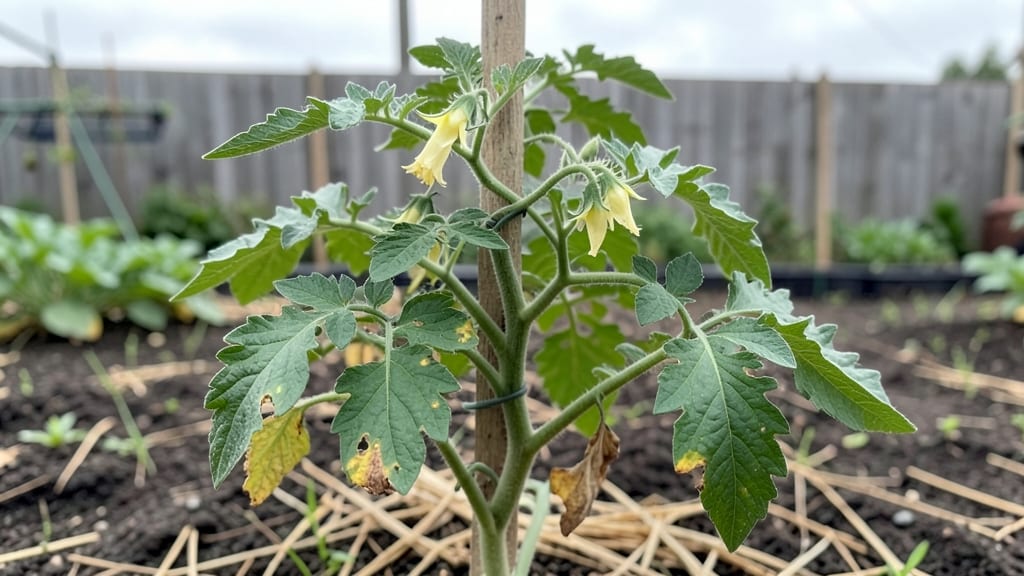
Managing your tomato plant size is the difference between a handful of fruits and a garden overflowing with 🍅—and it all starts with understanding how growth habits shape your harvest.
Did you know that controlling your tomato plant size can double—or even triple—your fruit yield? Whether you’re dealing with sprawling vines or stunted growth, mastering plant size is the secret to a bountiful harvest.
Some varieties stretch toward the sky like sky-scrapers, while others stay compact like bushy shrubs. The key lies in knowing which type you’re growing and how to guide its growth—whether through pruning, trellising, or spacing—so every inch of your garden works for you.
In this guide, I’ll break down the science behind plant size, share 5 proven techniques to keep your tomatoes thriving, and reveal the common mistakes that might be holding back your harvest.
How tomato plant size affects fruit production and yield
Tomato plant size isn’t just about how tall your vines grow—it’s the foundation of your harvest. The size and growth habit of your tomato plants directly determine fruit quantity, quality, and even flavor.
Determinate and indeterminate varieties behave completely differently, and understanding their growth patterns lets you optimize space, sunlight, and nutrients for maximum yields. For example, a 6-foot indeterminate vine can produce 20+ pounds of tomatoes, while a 3-foot determinate bush might yield just 5-10 pounds—but with earlier, concentrated harvests.
The key is matching plant size to your garden layout and goals.
Science backs this up: studies show that leaf-to-fruit ratios impact photosynthesis efficiency. Larger indeterminate plants with extensive foliage can support more fruit if they have enough water, nutrients, and sunlight.
Meanwhile, determinate varieties focus their energy on a single flush of fruit, making them ideal for container gardening or small spaces. Your spacing, pruning, and support choices all hinge on these growth habits.
Let’s break down how plant size shapes your harvest—and how to work with it, not against it.
| Type | Growth Habit | Mature Height | Yield Potential | Spacing Needs | Best For |
|---|---|---|---|---|---|
| Determinate | Bushy, compact | 3–5 ft | 5–10 lbs/plant | 18–24 in apart | Containers, small gardens |
| Indeterminate | Vining, continuous | 6–12+ ft | 20–50+ lbs/plant | 24–36 in apart | Trellises, large gardens |
| Semi-Determinate | Moderate vining | 4–6 ft | 10–15 lbs/plant | 20–24 in apart | Balanced yield/spread |
Yield varies by variety, care, and climate.
Let’s start with determinate tomatoes, the workhorses of small gardens. These plants grow to a predictable height (typically 3–5 feet) and produce fruit all at once, making them perfect for canning or early harvests.
Their compact size means you can fit more plants in less space, but their yield per plant is limited compared to vining types. For example, ‘Celebrity’ or ‘Roma’ tomatoes thrive in 5-gallon containers and deliver a steady crop over 2–3 weeks. The trade-off?
You’ll need to replant or succession-sow for continuous harvests.
On the flip side, indeterminate tomatoes are the marathon runners of the tomato world. These vines keep growing until frost, potentially reaching 10+ feet if left unchecked. Their continuous flowering and fruiting mean you’ll harvest tomatoes from mid-summer until fall.
Varieties like ‘Sungold’ or ‘Cherokee Purple’ can produce hundreds of fruits per plant, but they demand sturdy trellises, cages, or stakes to support their weight. Without proper support, sprawling vines waste energy on unproductive growth, reducing yield and increasing disease risk.
Don’t overlook semi-determinate varieties, the happy medium between the two. These plants start like determinates but vine moderately, offering a balanced yield and spread. Varieties like ‘Better Boy’ or ‘Mountain Merit’ grow 4–6 feet tall and produce fruit over an extended season.
They’re ideal for small backyards or raised beds where you want both quantity and convenience. The key is to prune strategically—removing suckers (side shoots) encourages upward growth and better air circulation, which boosts fruit quality.
Here’s where spacing becomes critical. Crowded plants compete for sunlight, water, and nutrients, leading to smaller fruits and weaker vines. Determinate tomatoes need 18–24 inches between plants, while indeterminate types require 24–36 inches (or more if trellised).
In my 4’x8’ raised bed, I plant 4 indeterminate vines along the back with 24-inch spacing and 2 determinate bushes in the front. This setup maximizes yield without shading out the smaller plants. Pro
5 Proven techniques to control tomato plant size naturally
If your tomato plants are growing too tall or sprawling uncontrollably, you’re not alone. Controlling tomato plant size is key to maximizing fruit production while keeping your garden organized. The good news? You don’t need chemicals—just a few simple, organic techniques to guide their growth naturally.
Whether you’re dealing with indeterminate vines reaching for the sky or determinate bushes staying too compact, these methods will help you take control without sacrificing yield.
One of the biggest mistakes gardeners make is letting tomato plants grow freely. Without intervention, they can become unruly, leading to poor air circulation, disease risks, and even smaller fruit. By using natural growth regulators like pruning, trellising, and nutrient adjustments, you’ll encourage healthier plants that produce more tomatoes.
The best part? These techniques work for both container gardening and in-ground beds, making them versatile for any setup.
- 1. Strategic Pruning: Remove suckers (side shoots) regularly to redirect energy to fruit production. Focus on keeping the main stem strong and removing leaves near the soil to prevent disease.
- 2. Trellising & Staking: Use cage supports or stakes to limit vine spread. For indeterminate varieties, train vines upward to save space and improve airflow.
- 3. Root Restriction: Plant in smaller containers or use root pruning to limit root spread. This encourages bushier growth and more compact plants.
- 4. Nutrient Adjustments: Reduce high-nitrogen fertilizers to prevent excessive leafy growth. Instead, use a balanced 5-10-10 fertilizer to promote fruit development.
- 5. Mulching & Water Control: Apply organic mulch to regulate soil temperature and moisture. Deep watering once a week (instead of daily shallow watering) prevents overgrowth.
Let’s start with pruning, one of the most effective ways to control tomato plant size. By removing suckers—those small shoots that grow between the main stem and branches—you force the plant to focus its energy on producing fruit instead of unnecessary foliage.
For indeterminate varieties, prune aggressively to keep the plant manageable, while determinate tomatoes benefit from lighter pruning to maintain their bushy shape. Always use clean, sharp pruners to avoid damaging the plant.
Another game-changer is trellising. Whether you use stakes, cages, or a simple string system, supporting your tomato plants vertically saves space and improves air circulation. This reduces the risk of blight and other diseases while making it easier to harvest ripe tomatoes.
For container gardens, choose compact trellises or cages that fit your pot size. If your plants are already too tall, don’t worry—you can still train them upward to prevent further sprawling.
For gardeners with limited space, root restriction is a clever trick. Planting tomatoes in smaller containers (like 5-gallon buckets) or using root pruning (gently trimming roots during transplanting) encourages the plant to grow more compactly.
This method works especially well for determinate varieties, which naturally stay smaller. Just be sure to monitor soil moisture closely, as restricted roots dry out faster.
Finally, don’t underestimate the power of nutrient balance. Too much nitrogen leads to lush green leaves but few tomatoes. Switch to a low-nitrogen, high-phosphorus fertilizer (like 5-10-10) to shift the plant’s focus to fruit production.
Pair this with organic mulch to retain moisture and regulate soil temperature. With these adjustments, your tomato plants will grow stronger, healthier, and more productive—without taking over your garden.