
How To
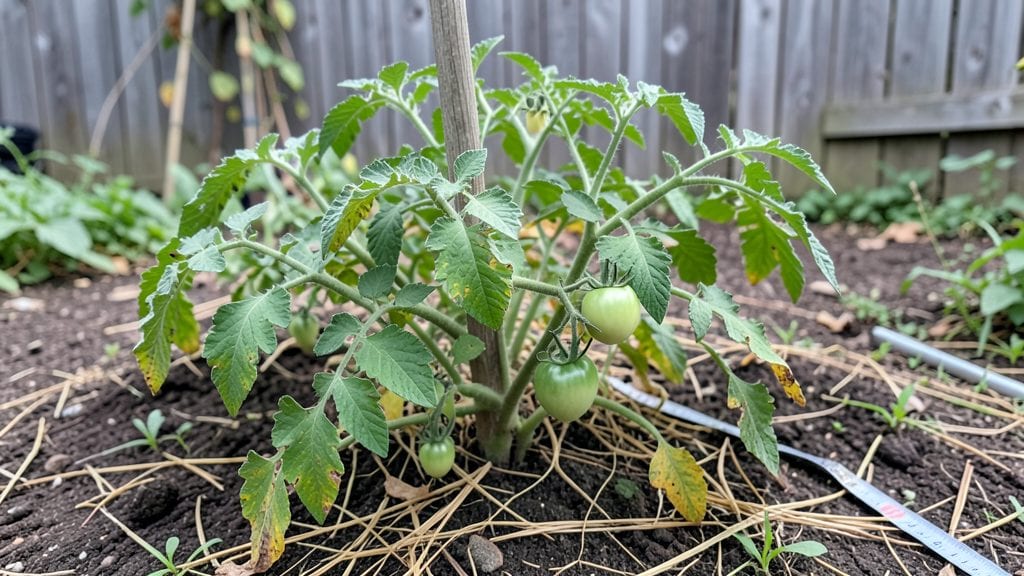
Tomato plants grow anywhere from 1 foot to 6 feet tall 🍅, depending on the variety and how you care for them.
If you’ve ever wondered whether your tomato plants will tower over your fence or stay neatly contained in pots, understanding their growth habits is key—especially when choosing varieties that fit your space.
From dwarf tomatoes perfect for balconies to indeterminate giants reaching skyward, size matters for yield, support, and even pest control.
Determinate varieties stay compact, ideal for small gardens or containers, while indeterminate types climb endlessly if left unchecked. The right pruning and support can keep even the tallest plants manageable, turning a potential headache into a productive harvest.
Below, we’ll break down the height ranges by variety, share tips to control growth naturally, and help you pick the perfect plants for your garden’s layout.


Tomato plant height chart: indeterminate vs determinate varieties compared
Choosing the right tomato varieties depends heavily on your garden space and how much you're willing to invest in support structures. Indeterminate tomatoes grow continuously, often reaching 6 to 10 feet or more, while determinate varieties stay compact at 2 to 4 feet.
Knowing these differences helps you plan for cages, stakes, or trellises before planting. Let’s break down the height ranges of popular varieties to help you decide what fits your garden best.
For small-space gardens or container growing, determinate tomatoes are ideal—they produce fruit all at once and rarely need support beyond a sturdy 3-foot cage. On the other hand, indeterminate varieties require vertical support like trellises or bamboo stakes because their vines can sprawl for 10+ feet if left unchecked.
Below, I’ve categorized 12 common varieties by their growth habits and typical mature heights to make your selection easier.
Note: Heights can vary based on pruning practices, climate conditions, and soil fertility. Always check seed packets for specific variety details, as some heirloom tomatoes may exceed average ranges.
Why height matters: Taller plants need stronger support to prevent fruit rot or stem breakage, while shorter varieties are easier to harvest and maintain. If you’re growing in containers, opt for bush varieties like ‘Tiny Tim’ or ‘Patio Princess’ to avoid overcrowding.
| Variety | Type | Mature Height | Ideal Support | Best For |
|---|---|---|---|---|
| Cherry Tomatoes | Indeterminate | 6–10 ft | Trellis or tall cage | Vertical gardens, containers |
| ‘Sungold’ | Indeterminate | 4–8 ft | Stakes or small trellis | Balconies, hanging baskets |
| ‘Beefsteak’ | Indeterminate | 8–12 ft | Strong trellis or fence | Large gardens, greenhouses |
| ‘Roma’ | Determinate | 3–4 ft | Cage or none | Sauces, canning, small plots |
| ‘Celebrity’ | Determinate | 3–4 ft | Cage or stake | Home gardens, beginners |
| ‘Tiny Tim’ | Determinate | 1–2 ft | None (container-friendly) | Patios, windowsills |
| ‘Brandywine’ | Indeterminate | 6–10 ft | Trellis or tall cage | Heirloom gardens, gourmet use |
| ‘Patio Princess’ |
How to control tomato plant height naturally: pruning and training tipsManaging tomato plant height is essential for maximizing yield, preventing disease, and saving space in your garden. Whether you're growing indeterminate giants or compact determinate varieties, proper techniques can keep your plants at the ideal height for your space and needs. The key lies in pruning, training, and using support structures—all while avoiding stunted growth or excessive sprawl. Before diving into techniques, it’s important to understand why tomato plants grow tall. Indeterminate types, like Sungold cherry tomatoes, can reach 6-10 feet without intervention, while determinate varieties like Roma tomatoes typically max out at 3-4 feet. Your goal is to guide their growth, not restrict it—think of pruning as sculpting, not cutting back indiscriminately. Let’s break down the steps to keep your plants thriving at the perfect height. Step-by-Step Guide to Managing Tomato Plant Height
Pro Tip: Prune in the morning to allow wounds to heal by evening, reducing disease risk.
When pruning, always use sterilized tools to prevent bacterial or fungal infections. Dip shears in rubbing alcohol between cuts, and avoid tearing stems—this can invite pests. For container-grown tomatoes, prune more aggressively to prevent toppling, as pots offer less stability than in-ground plants. Remember, the goal isn’t to stunt growth but to direct it efficiently. Properly trained tomato plants produce larger, healthier fruit while staying manageable. With these techniques, you’ll enjoy a bountiful harvest without your plants becoming unruly giants. Happy pruning! 🌱 |