
How To
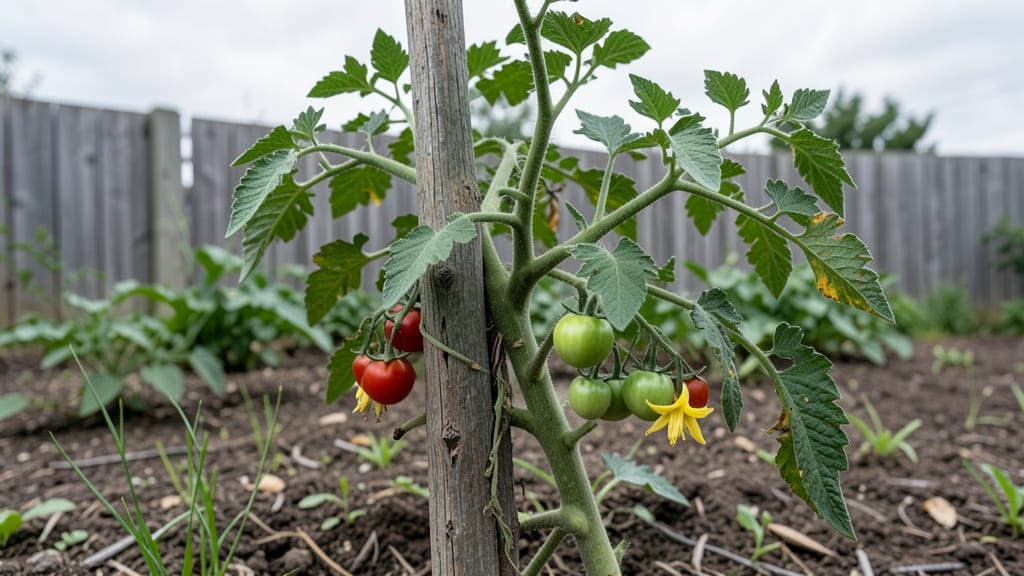
Learn how tall tomato plants grow before choosing your variety—most reach 3 to 6 feet, depending on care and type 🍅, with some sprawling like vines while others stay compact.
Ever wondered why your backyard tomatoes tower over your neighbor’s? The difference often comes down to whether they’re indeterminate (the sky’s-the-limit types) or determinate (bushy and tidy).
Knowing how tall your tomato plants will reach isn’t just about fitting them into your garden—it’s about avoiding tangled vines that block sunlight and invite pests. Without proper support or pruning, a 6-foot plant can flop over, wasting energy and reducing your harvest.
Even in USDA Zone 6a, where spring planting kicks off in April, height control starts at transplanting.
Here’s the game-changer: indeterminate varieties (like ‘Sungold’ or ‘Brandywine’) can keep growing until frost, while determinate types (like ‘Roma’ or ‘Celebrity’) max out at 3 to 4 feet.
The right stake, cage, or trellis turns a potential mess into a vertical feast—plus, it keeps fruits off the ground and easier to pick.
In this guide, I’ll break down the height stages, space-saving tricks for small gardens, and how to troubleshoot stunted growth. Whether you’re working with containers or a full plot, you’ll learn exactly how to guide your plants to their full potential—without sacrificing space or yield.


Tomato plant height stages: from seedlings to full maturity
Tomato plants don’t grow at a steady pace—their height evolves through distinct stages, each with unique care needs. Understanding these phases helps you anticipate space requirements and adjust support systems before they become necessary.
For example, a determinate variety like Roma might max out at 3-4 feet, while an indeterminate like Sungold can climb to 10+ feet if left unchecked. The key is matching your variety to your growing space.
Growth isn’t just about genetics—environmental factors like sunlight, temperature, and pruning play huge roles. A plant basking in 8+ hours of sun will grow taller and produce more fruit than one struggling in partial shade.
Meanwhile, cool nights can stunt growth entirely, while consistent warmth encourages rapid vertical expansion. Let’s break down each stage so you can plan accordingly.
📊 Summary Table: Tomato Plant Height by Growth Stage
| Stage | Height Range | Key Characteristics | Variety Notes |
|---|---|---|---|
| Seedling | 3–12 inches | First true leaves appear; delicate stems | All varieties start small; transplant when 4–6 inches tall |
| Vegetative |
Determinate: 2–3 ft Indeterminate: 3–6 ft |
Rapid stem growth; leafy but no flowers | Indeterminate grows continuously; determinate stops at maturity |
| Flowering |
Determinate: 3–4 ft Indeterminate: 6–10 ft |
Yellow flowers appear; energy shifts to fruit | Indeterminate may need pruning to control height |
| Fruiting |
Determinate: 3–5 ft (stops growing) Indeterminate: 8–12+ ft (keeps growing) |
Tomatoes develop; plant may need support | Indeterminate can reach rooftops without support! |
The seedling stage is where it all begins. Your tiny 3–12-inch plants might look fragile, but this phase is critical for root development. Transplant too early, and you risk shock; wait too long, and roots become tangled.
I always harden off seedlings for 7–10 days before moving them outdoors, gradually exposing them to full sun to prevent scorching.
Once in the vegetative stage, growth accelerates. Determinate tomatoes (like Celebrity) grow bushy but stop at 3–4 feet, making them ideal for containers. Indeterminate varieties (like Beefsteak) shoot upward relentlessly, often needing cages or trellises to avoid sprawling.
During this phase, focus on watering deeply and fertilizing with balanced NPK to fuel leafy growth.
When flowers appear in the flowering stage, your plant’s height depends on its type. Determinate varieties may only grow another foot, while indeterminate types can surge 3–5 feet taller in weeks.
This is also when you should prune suckers—those small shoots in the leaf axils—to redirect energy to fruit production. I prune mine weekly to keep vines manageable and improve airflow, which reduces disease risk.
The fruiting stage is where height becomes a major factor. Indeterminate tomatoes can reach 10+ feet if unchecked, while determinate varieties plateau at 3–5 feet. At this point, support is non-negotiable.
I use 6-foot tomato cages for indeterminate plants and bamboo stakes for determinate ones. Without support, vines can break under the weight of heavy fruit, leading to lost harvests.
Temperature swings can drastically alter growth patterns. If nights dip below 55°F, flowering may halt entirely—a condition called blossom drop. To counteract this, I use row covers or move containers to sheltered spots.
Conversely, consistent warmth above 75°F speeds up growth but can lead to sunscald on exposed fruit. Mulching helps regulate soil temperature and retain moisture, which is especially critical during heatwaves.
Light is another game-changer. Tomatoes need 6–8+ hours of direct sunlight daily to reach their full height potential. In shady spots, plants grow leggy and produce fewer tomatoes. If your garden lacks full sun, opt for compact varieties like Tiny Tim or use grow lights for container plants.
I’ve had success growing Sungold cherry tomatoes under LED lights on a balcony, though yields are smaller than outdoors.
Pruning isn’t just about controlling height—it’s about maximizing yield. For indeterminate varieties, I remove suckers (the shoots between the stem and branches) to encourage stronger main stems and larger fruit. Determinate tomatoes don’t need pruning but benefit from removing lower leaves to improve air circulation. Always use sterilized
Space-saving techniques for tall tomato plants in small gardens
If you're growing indeterminate tomato varieties like 'Sungold' or 'Brandywine', you know they can reach heights of 6-10 feet—way beyond standard garden space. The good news? With the right vertical gardening techniques, you can maximize your harvest even in tiny areas.
I’ve transformed my balcony garden into a high-yield tomato powerhouse using these methods, and I’ll share exactly how.
For small-space gardeners, the key is choosing the right support system and pruning strategy. Trellises, cages, and stakes aren’t just decorative—they’re essential for directing plant growth upward, improving airflow, and preventing disease.
Plus, they make harvesting those heavy tomato clusters a breeze. Let’s break down the best options for your space and variety.
My favorite space-saving hack is using vertical cages for determinate varieties like 'Roma' or 'Celebrity'. These plants naturally grow 4-5 feet tall and produce fruit in clusters, making them perfect for stacked cages.
I place mine in 5-gallon fabric pots to save even more space while ensuring roots get enough room to spread. For indeterminate varieties, I swear by wooden trellises—they’re sturdy, last multiple seasons, and let me train vines to grow 10 feet high without sprawling.
Pruning is another game-changer for controlling height and boosting yield. I pinch off suckers (those little shoots in the leaf axils) to redirect energy to fruit production.
For tall indeterminate plants, I prune the top growth after they reach my desired height, which keeps them manageable and prevents them from toppling over.
Pro tip: Always use clean, sharp pruners to avoid spreading disease, and prune in the morning so wounds have time to heal before evening moisture sets in.
For container gardening, I recommend deep pots (at least 12 inches deep) with well-draining soil mixed with compost. Varieties like 'Tiny Tim' or 'Patio Princess' thrive in containers and stay under 3 feet tall, making them ideal for patios or windowsills.
If you’re growing in pots, use a tomato cage or small trellis to support the plant as it grows. Remember, container-grown tomatoes dry out faster, so check soil moisture daily during hot weather.
Don’t overlook the power of training vines—whether you’re using a trellis, stakes, or cages. Gently tie the main stem to the support every 1-2 feet as it grows. This keeps the plant upright and prevents it from snapping under the weight of heavy fruit.
I also weave the side shoots through the trellis for extra support, which has helped me grow 20-pound tomatoes without breaking the stems. With these techniques, you’ll turn even the smallest garden into a high-yield tomato paradise.