
Planting
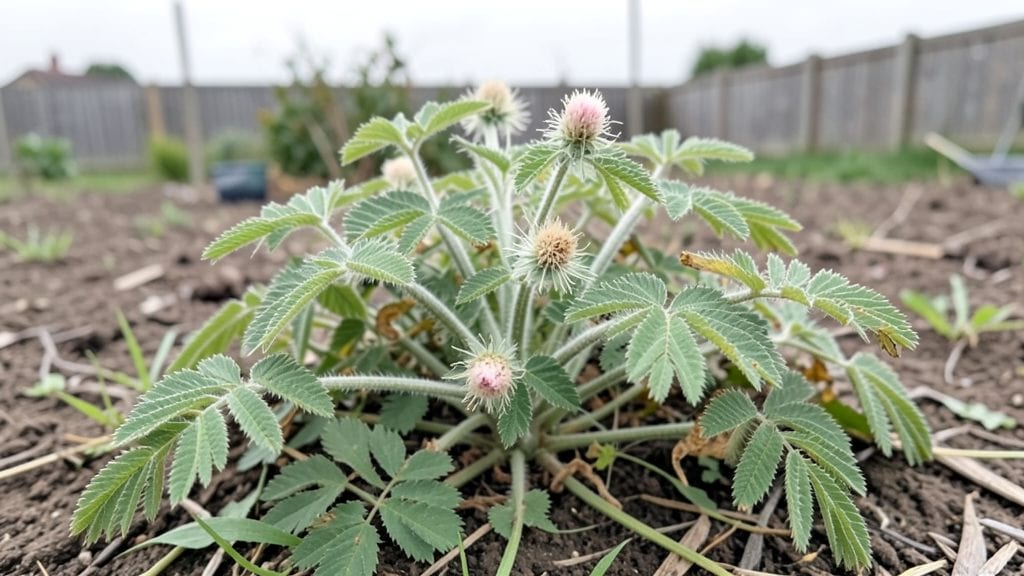
Growing the sensitive plant tree—Mimosa pudica—is like nurturing a living curiosity: this fast-growing vine reacts to touch by folding its leaves, making it one of nature’s most fascinating plants. 🌱 My first batch sprouted in just two weeks, and the thrill of watching those leaves "blush" never gets old.
The secret to its speed lies in warm soil and bright, indirect light—think sunny windowsills or shaded outdoor spots. It thrives in loose, well-draining potting mix and only needs water when the top inch feels dry.
Overwatering is the biggest mistake, as soggy roots lead to leaf drop faster than you can say "sensitive."
By summer, your plant will be a lush, trailing vine with delicate fern-like foliage that adds texture and movement to any space. The touch-sensitive leaves make it a conversation starter, and it keeps producing new growth year-round with minimal care. Just avoid drafts and sudden temperature swings.
Whether you're growing it indoors as a quirky houseplant or outdoors in warm climates, this vine adapts surprisingly well. The key is patience—it starts slow but rewards you with rapid growth once established. Ready to grow your own living wonder?
📚 In This Guide
- What you need
- Instructions
- Tips and common mistakes
- Wrapping up and next steps
What you need
- ● Seeds: 5–10 fresh Mimosa pudica seeds (ensure they’re from a reputable supplier for best results).
- ● Potting Mix: 2–3 bags of well-draining, peat-based or coco coir mix (avoid heavy clay soil).
- ● Containers: 2–4 small pots (4–6 inches wide) with drainage holes for seedlings, plus a larger pot (12+ inches) for mature plants.
- ● Watering Can or Spray Bottle: A fine-mist spray bottle works best for delicate seedlings.
- ● Fertilizer: A balanced liquid fertilizer (5-5-5 or 10-10-10) for occasional feeding.
- ○ Grow Lights (Optional but Helpful): LED grow lights (12–16 hours/day) for indoor setups.
- ● Trowel or Small Shovel: For transplanting seedlings.
- ● Pruning Shears: To trim leggy vines or dead leaves.
- ● Humidity Dome or Plastic Wrap: To retain moisture during germination.
- ○ Thermometer (Optional): To monitor ideal temps (70–85°F for growth).
- ● Patience & Curiosity! 😊 These plants thrive with gentle care and observation.
Step-by-step instructions for growing a sensitive plant tree
Here’s how to cultivate this striking vine quickly and keep it thriving indoors or out.
🌱 Step 1: Choose the Right Location for Fast Growth
The sensitive plant tree (Mimosa pudica) thrives in bright, indirect light—think east or west-facing windows, or a shaded outdoor spot. Direct sun can scorch its delicate leaves, while too little light slows growth and weakens its signature movement response. I place mine near a sheer curtain to filter harsh afternoon rays.
This plant loves warmth—keep temperatures between 65-80°F. If your home runs cooler, a small space heater nearby (not too close!) helps. You’ll notice the leaves fold up at night naturally, but if they stay closed during the day, it’s a sign of insufficient light.
🪴 Step 2: Plant in Well-Draining Soil and a Proper Container
Use a 6-8 inch pot with drainage holes to prevent root rot. Fill it with a mix of 50% potting soil and 50% perlite or sand—this ensures fast drainage while retaining enough moisture. The sensitive plant tree hates soggy roots, so avoid heavy garden soil.
Gently loosen the roots if you’re transplanting a young plant, then place it in the pot so the soil line sits just below the rim. Press lightly around the edges to secure it, but don’t compact the soil too much. Water thoroughly until it drains from the bottom, then let excess water escape completely.
💧 Step 3: Water Consistently Without Overdoing It
Water when the top inch of soil feels dry—this plant prefers slightly moist but never soggy conditions. I stick my finger in the soil daily; if it’s damp past my first knuckle, I wait another day. Overwatering causes yellowing leaves and stunted growth, while underwatering makes the leaves crispy at the edges.
Mist the leaves lightly 2-3 times a week to replicate humidity, especially if your home is dry. The sensitive plant tree’s leaves will twitch at the slightest touch—this is normal! Just avoid heavy water droplets, as they can damage the delicate foliage.
✂️ Step 4: Prune and Encourage Bushy Growth
Pinch back the tips of new growth when stems reach 4-6 inches to encourage branching. This creates a fuller, tree-like shape instead of a single leggy vine. Use clean scissors or fingers to snip just above a leaf node—this is where new side shoots will sprout.
Remove any yellow or brown leaves immediately to redirect the plant’s energy. If your vine outgrows its pot, transplant it into a 12-inch container in early spring. The sensitive plant tree grows quickly—you might see new leaves unfold within 2-3 weeks after pruning.
☀️ Step 5: Rotate for Even Growth and Year-Round Color
Turn the pot a quarter turn weekly so the plant grows evenly toward the light. Without rotation, one side will stretch toward the window while the other stays sparse. You’ll see the leaves adjust their direction within days—it’s fascinating to watch!
For year-round color, keep it indoors near a bright window or under a grow light during winter. The sensitive plant tree’s pink flowers and unique foliage make it a standout, even when other plants go dormant. With consistent care, it can grow 2-3 feet tall in its first year.
Tips & tricks for fast-growing sensitive plant trees
Here's what I've learned to help your sensitive plant tree grow faster and stay vibrant all year round.
Lighting Secret: If you're using artificial light, a simple LED grow light placed 6-12 inches above the plant works wonders. I keep mine on for 12-14 hours daily during winter months when natural light is scarce. The key is maintaining that bright, indirect light - if leaves start curling during daylight hours, it's a clear sign you need more light.
Soil Mix Upgrade: For even faster growth, consider adding a handful of worm castings to your 50/50 soil mix. The nutrients give your plant a nice boost without overwhelming it. I also recommend using a terracotta pot - it breathes better than plastic and helps prevent root rot, especially important for this moisture-sensitive plant.
Pruning Timing: The 4-6 inch pruning guideline is perfect, but here's a pro tip: do it right after watering when the soil is moist. This reduces stress on the plant and helps it recover faster. You'll often see new growth sprouting from those leaf nodes within just 1-2 weeks - it's amazing how quickly this plant responds!
Temperature Troubleshooting: While 65-80°F is ideal, don't panic if your home occasionally dips below 65°F. The sensitive plant tree can handle brief periods down to 55°F, but avoid letting it sit below 50°F for more than a few hours. If you notice leaves staying closed during the day, move it to a warmer spot immediately - this is your plant's way of telling you it's too cold.
Pro Tips for Sensitive Plant Tree
- Here's what I've learned to help your sensitive plant tree grow faster and stay vibrant all year round.
- Lighting Secret: If you're using artificial light, a simple LED grow light placed 6-12 inches above the plant works wonders.
- Soil Mix Upgrade: For even faster growth, consider adding a handful of worm castings to your 50/50 soil mix.
Frequently asked questions
Got questions about growing sensitive plant trees (or Mimosa pudica)? You’re not alone! Here are answers to the most common queries to help you nurture these fascinating, fast-growing vines with confidence.
How fast do sensitive plant trees grow, and when can I expect blooms?
Sensitive plant trees grow surprisingly fast—up to 6 inches per month in ideal conditions! With proper care (sunlight, warmth, and moisture), you may see delicate pink or white flowers as early as 6–8 weeks after planting. However, blooms are seasonal (spring/summer) and depend on maturity.
Why are my sensitive plant leaves drooping or wilting?
Drooping leaves are usually a sign of overwatering or underwatering. Let the top inch of soil dry out between waterings, and ensure pots have drainage holes. If leaves stay limp, check for root rot (mushy stems) or low humidity—mist leaves or use a humidity tray to revive them!
Can sensitive plant trees survive winter indoors?
Yes! These tropical vines thrive indoors year-round if you provide bright, indirect light and keep temps above 55°F (13°C). Reduce watering in winter (let soil dry more between waterings) and avoid drafts. A grow light can help if natural light is scarce.
Are there non-sensitive alternatives to Mimosa pudica?
If you love fast-growing vines but want less touchy options, try:
- Sweet Pea (Lathyrus odoratus) – Fragrant, hardy, and easy to grow.
- Morning Glory (Ipomoea) – Quick climber with vibrant blooms.
- String of Hearts (Ceropegia woodii) – Low-maintenance trailing succulent.
Is Mimosa pudica invasive or toxic to pets?
While not toxic to pets, Mimosa pudica can spread aggressively in warm climates. Keep it in containers or monitor outdoor plantings. If ingested in large amounts, it may cause mild stomach upset—opt for pet-safe plants like Spider Plant (Chlorophytum comosum) if you have curious cats or dogs.
Wrapping up and next steps
The sensitive plant tree (Mimosa pudica) is a fascinating, fast-growing vine that rewards patience with vibrant blooms and playful foliage. Whether you're drawn to its unique movement or its year-round color, this low-maintenance plant is perfect for adding life to your garden or indoor space.
Now that you’re armed with the right tips, why not give it a try?
Start small—plant a single cutting or seed—and watch your green thumb grow! With minimal care, you’ll soon enjoy a thriving, interactive plant that’s as fun to watch as it is beautiful. Happy gardening! 🌱✨